
Transforming an existing home into a modern, energy-efficient living environment is a complex process that requires technical precision and a tight organization in the current Dutch market. Whether it concerns a characteristic mansion in Utrecht or a modern apartment in the Randstad, a renovation project requires knowledge of the Living Environment Construction Decree (Bbl), relevant NEN standards, the municipal environmental plan and any VvE rules. The term “turnkey” is often used for a renovation where design, planning, execution and finishing are coordinated by one party as much as possible, but the exact responsibilities must always be contractually defined. In this article, we analyze the technical steps, the financial frameworks and the crucial role of project management in a total renovation.
What a turnkey renovation means
A turnkey renovation, also known as a turnkey, is an integral process in which the home is tackled from the foundation to the smallest finishing details. This goes far beyond a simple cosmetic procedure; it is a review of the entire architectural condition and technical infrastructure of the building. For optimal results, a coordinated approach is required where demolition, installation technology and finishing work seamlessly connect.
Complete home reconstruction
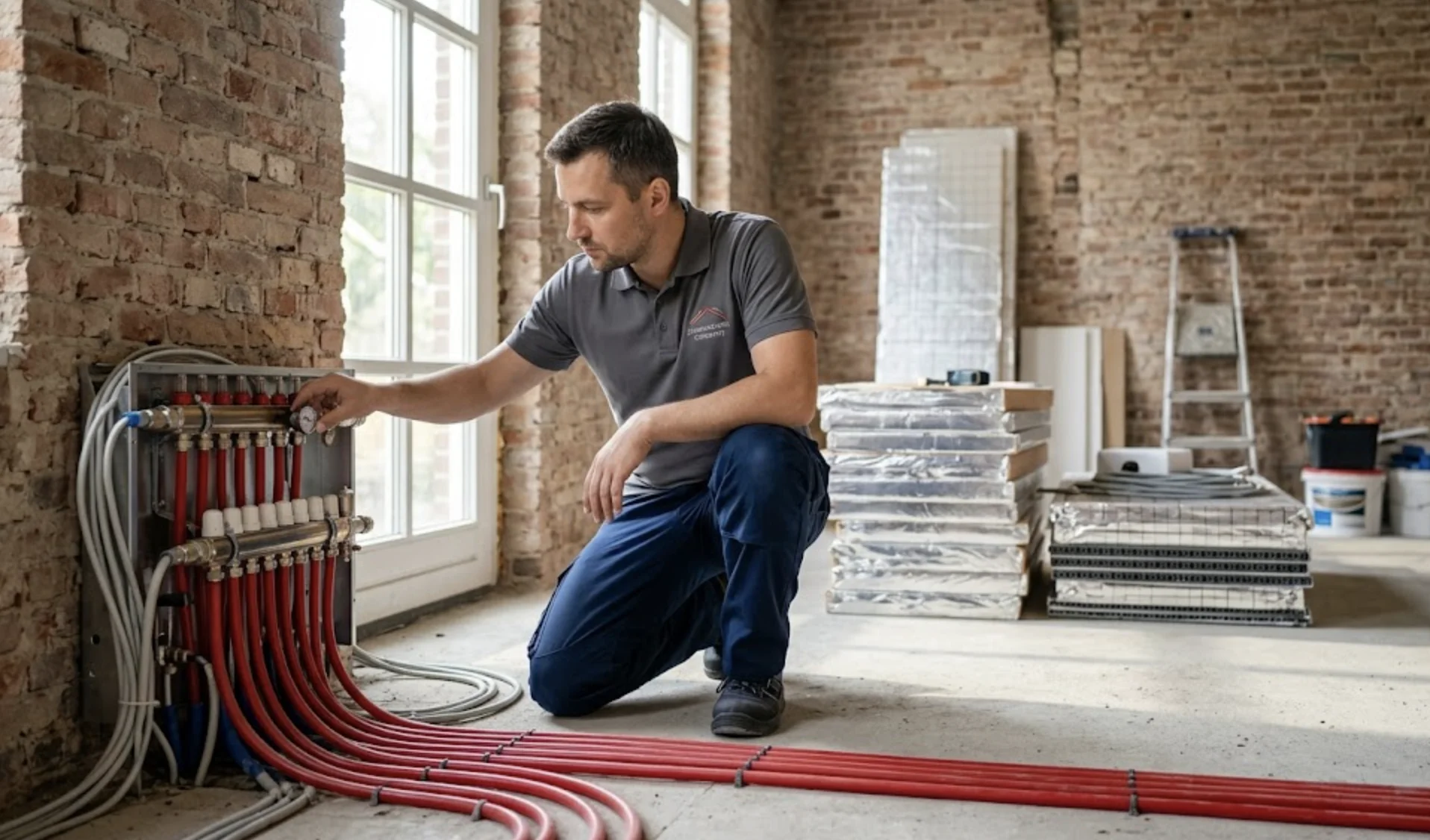
In the case of a complete reconstruction, the house is often first stripped down to the hull. Technically, this means that obsolete systems are reviewed and removed where necessary, while the structural integrity of the building is checked when load-bearing components are modified. Important components in this phase may include: improving insulation in accordance with the renovation requirements of the Bbl, assessing whether the electrical installation needs to be replaced and renewing water, drainage or gas pipes when their technical condition requires it. A heat pump, hybrid solution, heat network or other sustainable heating system are also often considered, where floor heating is one of the possible delivery systems. The focus here is on a better building envelope, sufficient ventilation and a healthy indoor climate, where mechanical ventilation with heat recovery (HRV) is a possible solution when it is technically and spatially compatible.
Renovation of an apartment or house
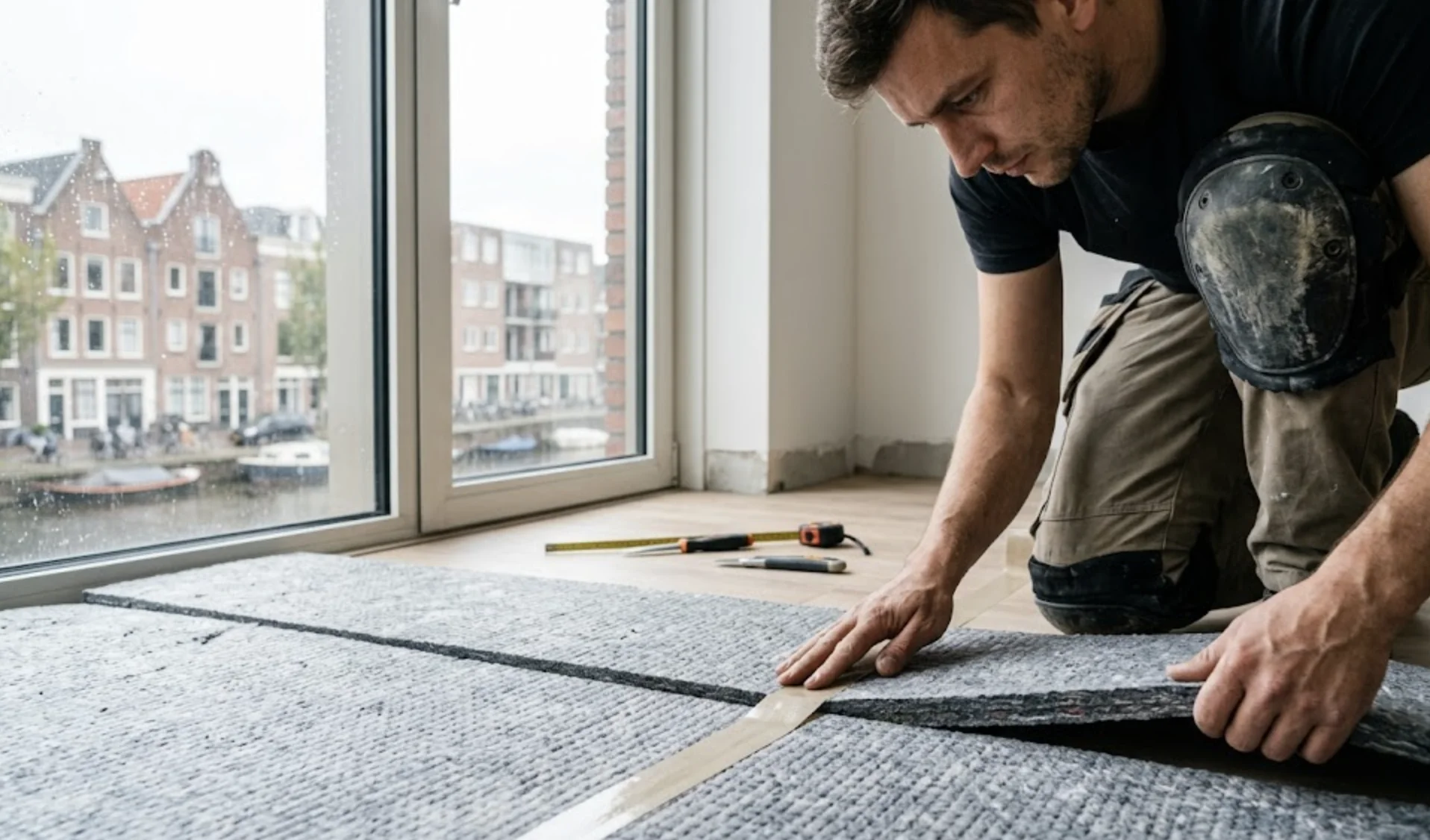
The approach differs substantially between an apartment and a detached house. In the case of apartments, the home renovation contractor has to do with the regulations of the Owners Association (VvE), common shafts for ventilation and sewerage, noise rules, working hours and restrictions on work on load-bearing or communal parts. Here, sound insulation towards neighbours is a critical technical aspect, especially when it comes to a new floor finish; the exact requirements follow from the VvE regulations, the division deed, any house rules and the technical situation of the building. With a detached house, the challenges lie more in the field of facade insulation, foundation repair and possible roof repair. In both cases, the aim is to complete an apartment renovation, where the technical infrastructure matches the agreed design, the applicable building rules, the VvE conditions and the intended use of the home.
All-in renovation
An all-in renovation is a method where all activities fall under one contractual flag. This can simplify coordination and increase transparency, but good planning, clear scope, timely material selection and clear agreements with subcontractors remain necessary to limit delays.
A home renovation total package usually includes the following activities:
- Assessing whether construction calculations, an environmental permit, notification or permission from the VvE are necessary, and supervising these steps when they fall within the assignment.
- Specialist demolition work and the environmentally friendly disposal of construction waste.
- Renewal or adjustment of the meter cabinet, sanitary installations, ventilation, heating and any cooling.
- High-quality stucco, painting and the installation of floor and wall finishes.
- The delivery, control of repair points and transfer of relevant documentation, guarantees, manuals and any inspection reports.
This integrated approach reduces the risk of errors at interfaces, for example between stucco, electrical connection points, floors, doors and customization.
Costs of a turnkey renovation
The financial planning of a renovation depends on the complexity of the design and the condition of the original structure. In the Netherlands, a price per square meter is often calculated, but this is only an indication. Factors such as the accessibility of the property, the condition of installations, the choice of finishing materials, HOA restrictions, permits and structural adjustments determine the final home renovation costs.
Price for a complete home reconstruction
For a major renovation where the house is completely modernized, the complete home renovation price can be indicative of between €1,200 and €1,800 per m², depending on technical condition, level of finish, installations, location and scope. However, when luxury finishes are chosen or foundation repair is involved, the costs can increase. In addition to material and labor, the turnkey home renovation price can also include project management, planning, coordination, waste disposal, temporary facilities and any insurance during construction, depending on what has been contractually agreed. It is technically advisable to include an item for unforeseen costs, often at least 10% and sometimes more for older or technically complex buildings, because hidden defects can become visible when stripping.
Apartment renovation costs
The cost of an apartment may be higher per square meter due to logistical challenges, such as using a construction lift or limited parking in inner cities. For an all-in home renovation in an urban context, logistics, limited parking space, construction elevator, waste disposal, soundproofing facilities, working hours and the frameworks of a VvE must be taken into account. In a complete home renovation and cost analysis, the bathroom, kitchen, installation technology, customization, insulation and finishing often appear to be the largest budget items.
Factors that influence the price
The biggest price variable is the current energy state of the property. Strongly improving a poor energy label usually requires investments in insulation, ventilation, sealing, glass, heating and sometimes sustainable installations.
Some factors that determine home renovation costs:
- The complexity of the home automation system and the electrical infrastructure.
- The condition of the current frames and the choice for HR++ or triple glazing.
- The possible need for asbestos inventory and remediation in older buildings, especially buildings built before 1994, or for research into other harmful substances.
- The choice for custom interior design versus standard solutions.
By technically identifying these factors beforehand, a realistic budget can be drawn up that forms the basis for the entire project.

The contractor and organization of the work
Choosing the right partner is the most decisive factor for the success of your renovation. In an overstretched market, it is essential to work with a company that not only has expertise, but also the digital tools to monitor progress transparently. Companies like Bricknest distinguish themselves by combining technological innovation with traditional construction craftsmanship, so that the customer always stays up to date with the status via a dashboard.
Choice of construction company
When selecting a contractor, it is important to look beyond the total price. Check whether the party has experience with similar projects and has appropriate insurances, clear terms and conditions, relevant expertise and, where necessary, certifications for specific activities. A good partner performs a technical recording in advance and clearly states which posts are fixed, which posts are provisional and which risks can only be priced after demolition or further investigation. Transparency in communication and realistic time planning are indicators of a reliable construction company.
The role of the main contractor
The main contractor acts as the central nervous system of the renovation. He coordinates the various disciplines and monitors the critical planning paths. At Bricknest, this role is filled by experienced project managers who ensure that technical quality remains guaranteed and that the safety regulations at the construction site are strictly complied with. The main contractor can be the central point of contact for the client, provided that this is clearly laid down in the agreement and the responsibilities of subcontractors, consultants and suppliers are properly arranged.
Quote and work order
After agreement, a detailed quote can become part of the legal and technical basis of the cooperation. It prevents discussions afterwards about what is and isn't included in the price. In professional renovation projects, a specified budget is highly recommended because it clarifies which activities, materials, postings, additional work agreements and exclusions apply.
Requesting a proposal
The process starts with a total renovation house quote request, where the client's wishes are translated into technical specifications, scope, planning, material choices and possible risks. This takes into account the current regulations and the desired level of finish. The proposal should include a clear timeline and a breakdown of costs by discipline. This enables the client to test the costs against the budget and possibly set priorities.
What's included in an all-inclusive package
An all-in package can provide more overview, but the level of certainty depends on the contractual scope, exclusions, postings, additional work agreements and risk distribution. It is a total concept where it is agreed in advance which activities are part of the completion and in what condition the home will be handed over.
In a professional package, you will find:
- A complete architectural and technical overhaul.
- All necessary structural materials and high-quality finishing products.
- Coordinating the delivery, possibly with an independent inspector when this has been agreed.
- Clear agreements about warranty, repair periods, manufacturer's warranties on materials and responsibility for defects after delivery.
By opting for such an integrated package, you are not only investing in your home, but also in your peace of mind. A well-prepared renovation can improve the use value, energy performance and presentation of the home, but the influence on market value depends on location, quality of execution, market conditions and choices made.

