
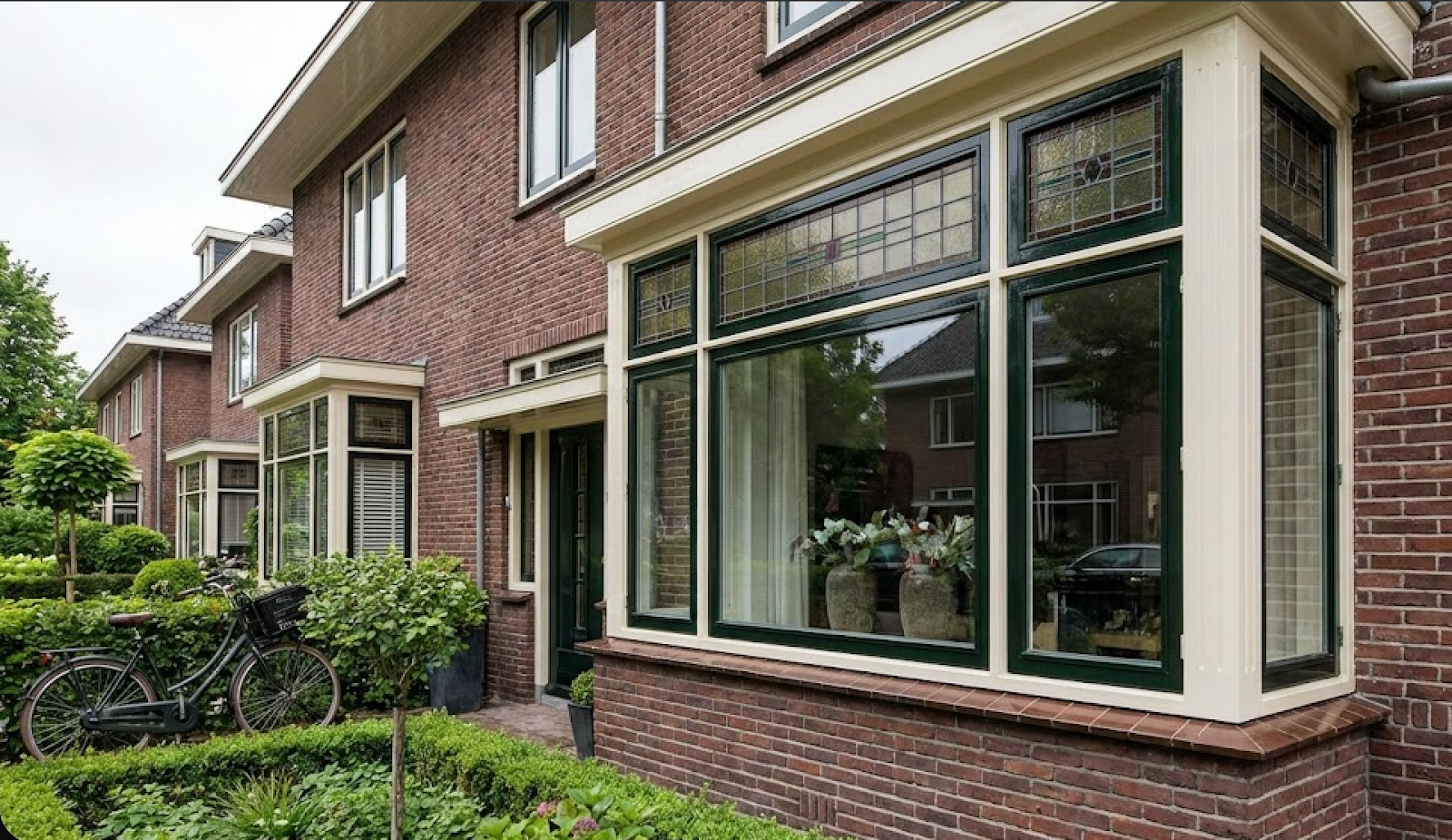
The appearance of a home is largely determined by the condition of the wood and paint. However, frames are much more than just an aesthetic framework for your glazing; they form the essential barrier between your comfortable interior and the changeable Dutch weather conditions. When professionally treated, frames transform from mere functional components to visual jewelry that accentuates the building's architecture. At Bricknest, we understand that high-quality painting is an investment in the future of your real estate. Precision and knowledge of materials are the deciding factors for a result that will last for years.
The benefits of professional painting
Hiring an expert for your painting project goes beyond just avoiding tampering. A professional approach ensures that the technical integrity of the material is maintained, using advanced techniques that are often difficult for a do-it-yourselfer to apply.
Durability of the finish
One of the most important technical aspects of professional work is the control of layer thickness and adhesion. A specialist first analyses the surface and the moisture percentage of the wood before starting. By finding the right balance between flexibility and hardness of the paint, the paint layer can absorb the natural effect of the material without cracking. This significantly extends the maintenance cycle, which is crucial for maintaining the structure.
Saving time and resources
Many homeowners wonder: what does window painting cost in the long run? Although the initial investment for a professional seems higher, it prevents costly repairs to wood rot or premature window replacement. Thanks to Bricknest's efficient way of working, projects are also completed within a tight timeline, so that you experience minimal inconvenience and are assured of a result that retains its value by using superior paint systems that are less likely to weather.
Interior painting
Indoors, the focus of the paintwork is on aesthetic perfection and protection against daily use, such as skin oils and mechanical stress. Because we spend a large part of our time indoors, health aspects and the absence of harmful substances also play a major role in the choice of materials.
Application techniques without dust and odour
We use modern sanders with integrated HEPA-filtered dust extraction to paint indoor frames. This ensures an almost dust-free environment. This is essential for the health of residents and for a mirror-smooth end result without trapped dust particles. We only work with water-based acrylic paints that are very low in emissions and do not spread a pungent odor, so that the rooms can be put back into use almost immediately after work.
The right paint for every material
Not every paint is suitable for every surface; the chemical composition must be precisely tailored to the type of wood or the existing paint layer. Our experts select products with a high coverage and excellent flow, resulting in a streak-free surface. Whether it concerns monumental hardwoods or modern plywood elements, the primer and topcoat are chosen so that they adhere optimally to the surface.
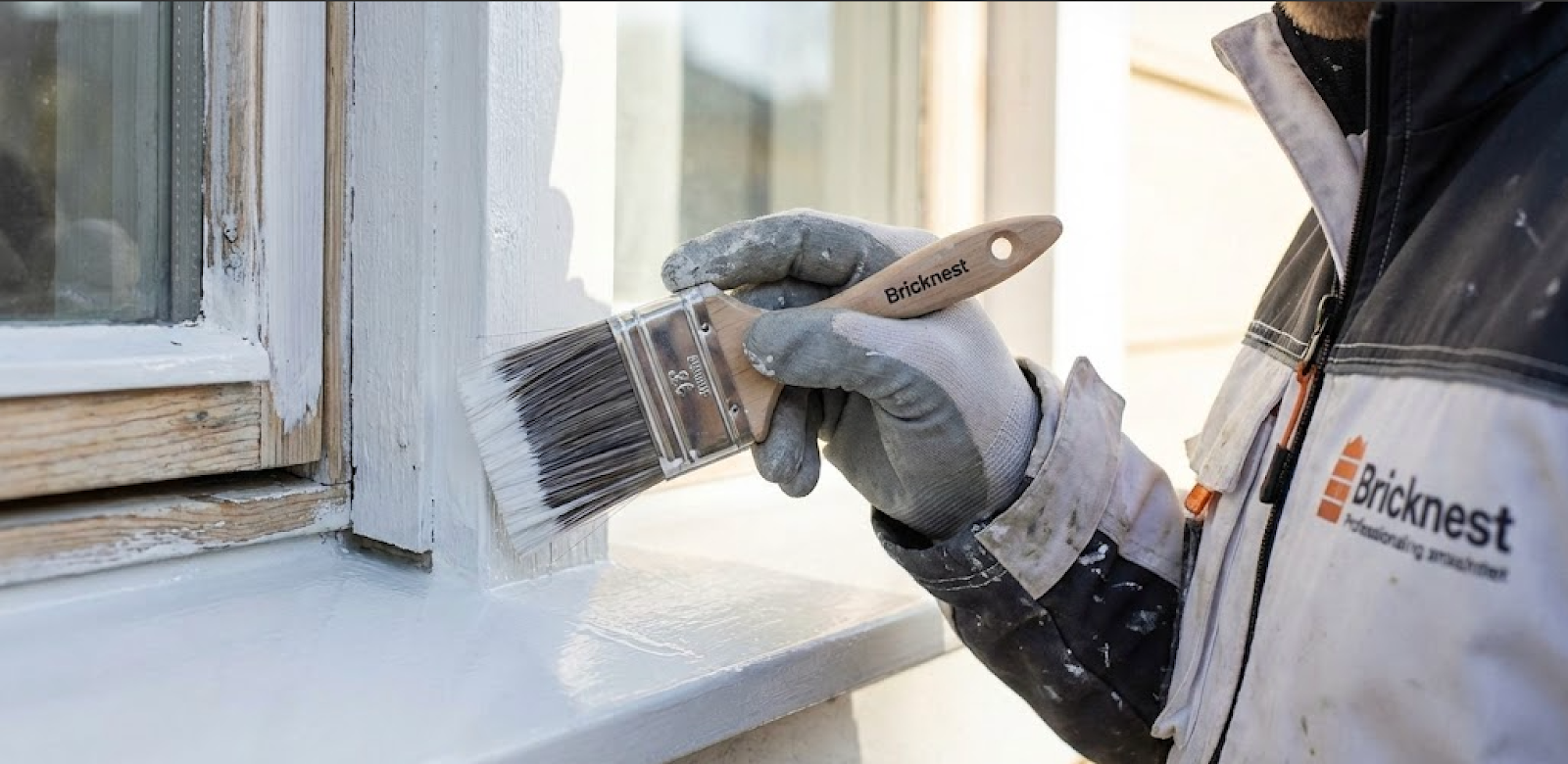
Exterior painting
Outside, the paintwork is under constant pressure from UV radiation, temperature changes and precipitation. The technical purpose of painting exterior frames is to create a protective shield that, on the one hand, is water resistant, but on the other hand is vapor-permeable enough to allow moisture to escape from the inside to the outside.
Protection against moisture and UV rays
Sunlight is the biggest enemy of binders in paint; it causes “chalking” and loss of color. By opting for high-quality high-solids paints with a high pigment content, UV resistance is maximized. At Bricknest, we pay extra attention to the critical points, such as the sealant seams and the connections between the horizontal and vertical wood, where moisture penetrates most often. A properly executed seal in combination with the right paint prevents wood fibers from becoming saturated and rotting.
Preserving color and structure
The aesthetic quality of exterior painting is closely related to the gloss and color fastness of the resins used. Modern outdoor paints have been developed in such a way that they retain their shine longer and are less likely to attract dirt. As a result, the structure of the frame remains sharp and defined, even after several years of exposure to the elements. A deep saturation of the color ensures that the home retains its characteristic appearance without the paint becoming dull or smudged.
Choice of paint and tools
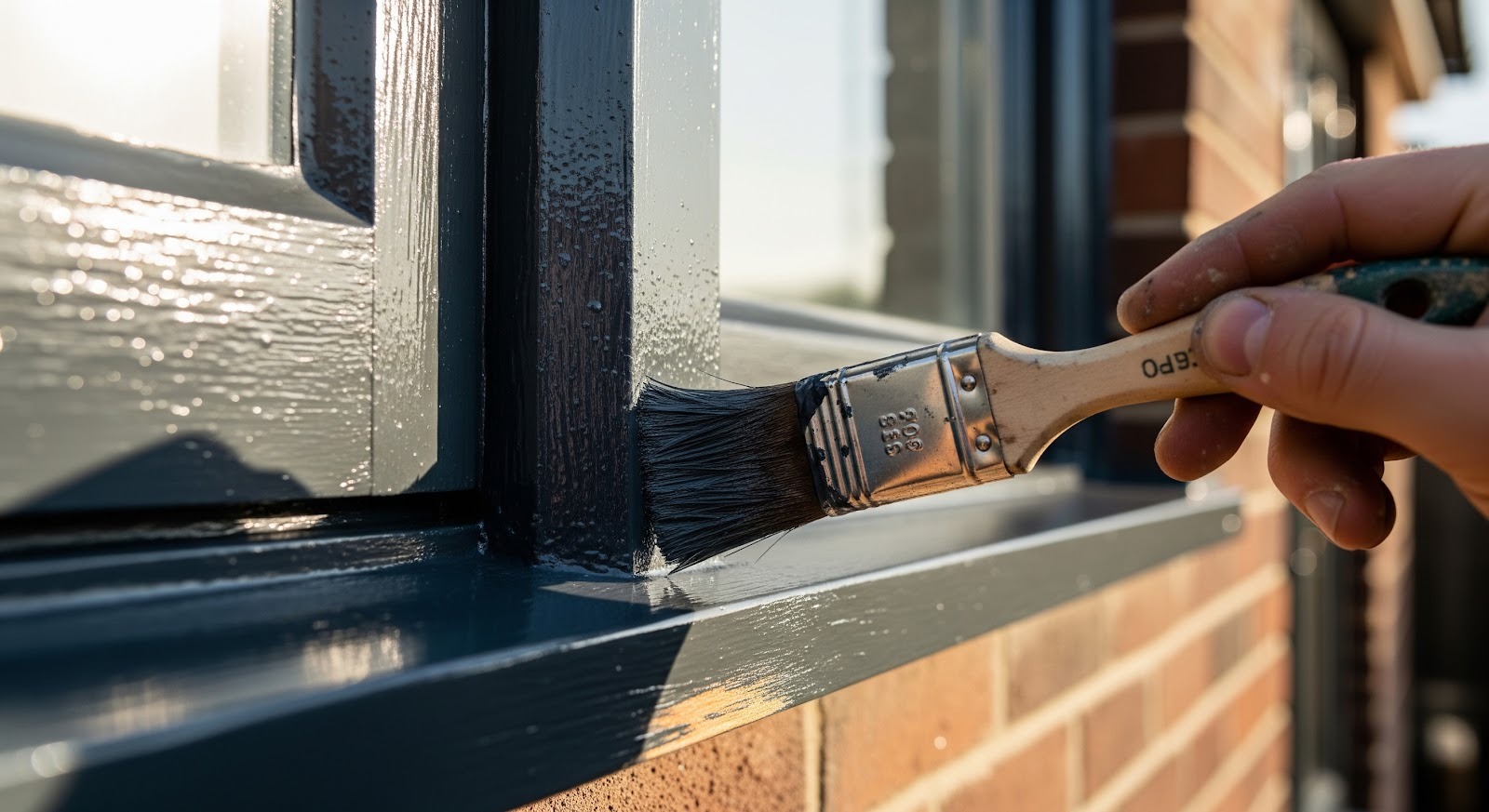
The quality of the tools is just as important as the paint itself. Professional synthetic fiber brushes are specifically designed to distribute modern paints evenly without visible stains. In the technical preparation at Bricknest, every detail is planned to achieve the highest possible finish.
The best materials for wooden frames
For woodwork, we often use hybrid systems or classic outdoor alkyd resin paints, depending on the specific requirements of the object. These materials offer superior adhesion and a high layer thickness per ironing.
When choosing materials, we use the following criteria:
- The moisture-regulating properties of the primer.
- The elasticity module of the topcoat to prevent cracking.
- The scratch resistance and cleanability of the final surface.
Through this strict selection, we guarantee that the paint system performs optimally under all conditions and supports the natural charm of the wood.
Tips for maintaining plastic frames
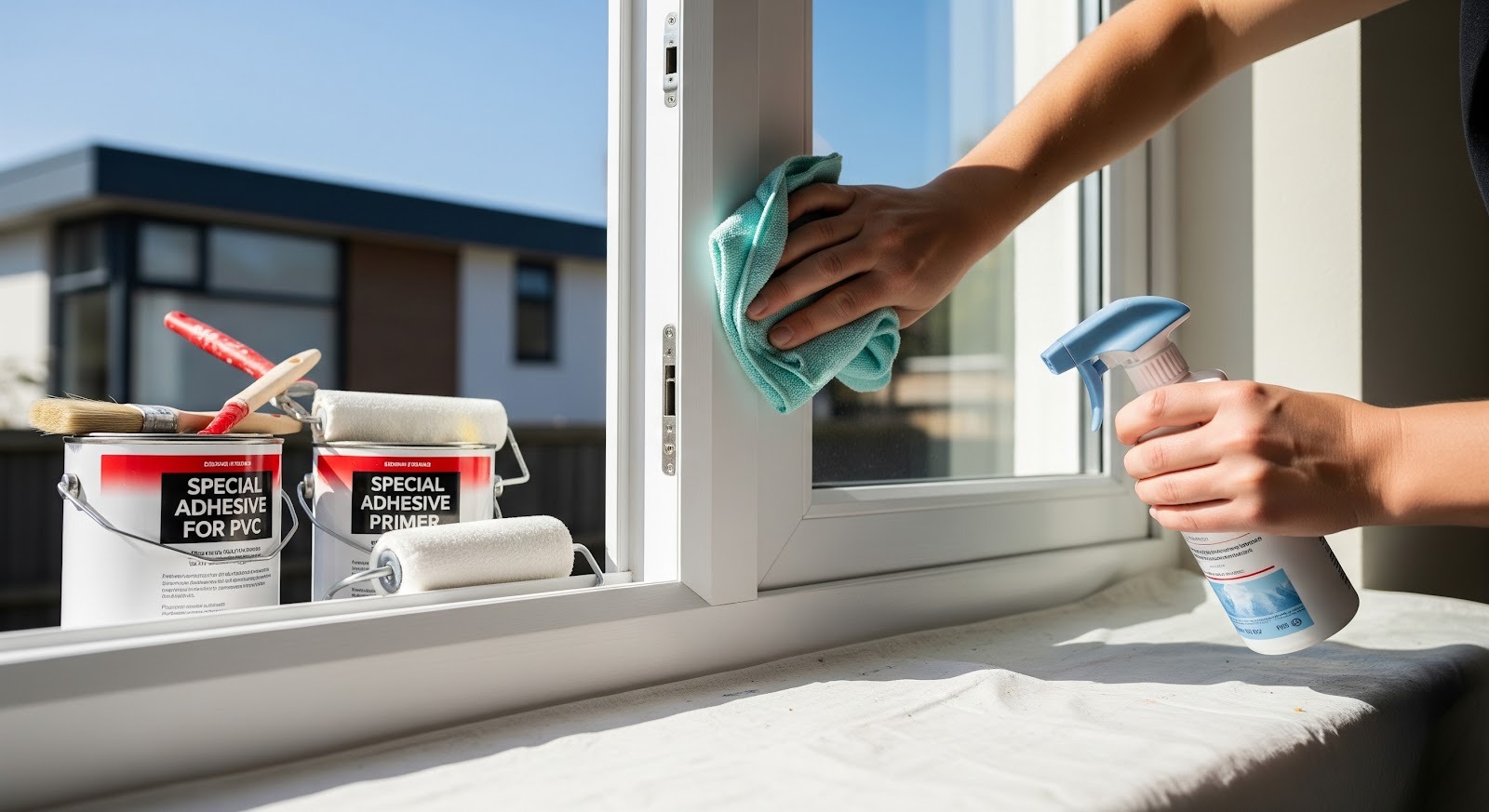
Although many believe that plastic is maintenance-free, the material can weather over the years or simply no longer match the new style of the home. However, painting plastic requires a specific technical approach, because PVC has a smooth, low-absorbent surface and standard paint therefore adheres poorly. A special adhesive primer must always be used that allows the adhesion between plastic and the finish layer between the plastic and the final color layer. Regular cleaning with non-abrasive agents also helps protect the top layer of the paint from particulate matter and industrial precipitation.
Common mistakes and how to avoid them
Many painting projects fail not because of the quality of the paint, but because of errors in execution. Recognizing and avoiding these pitfalls is what sets an expert apart from an amateur.
Improper surface pre-treatment
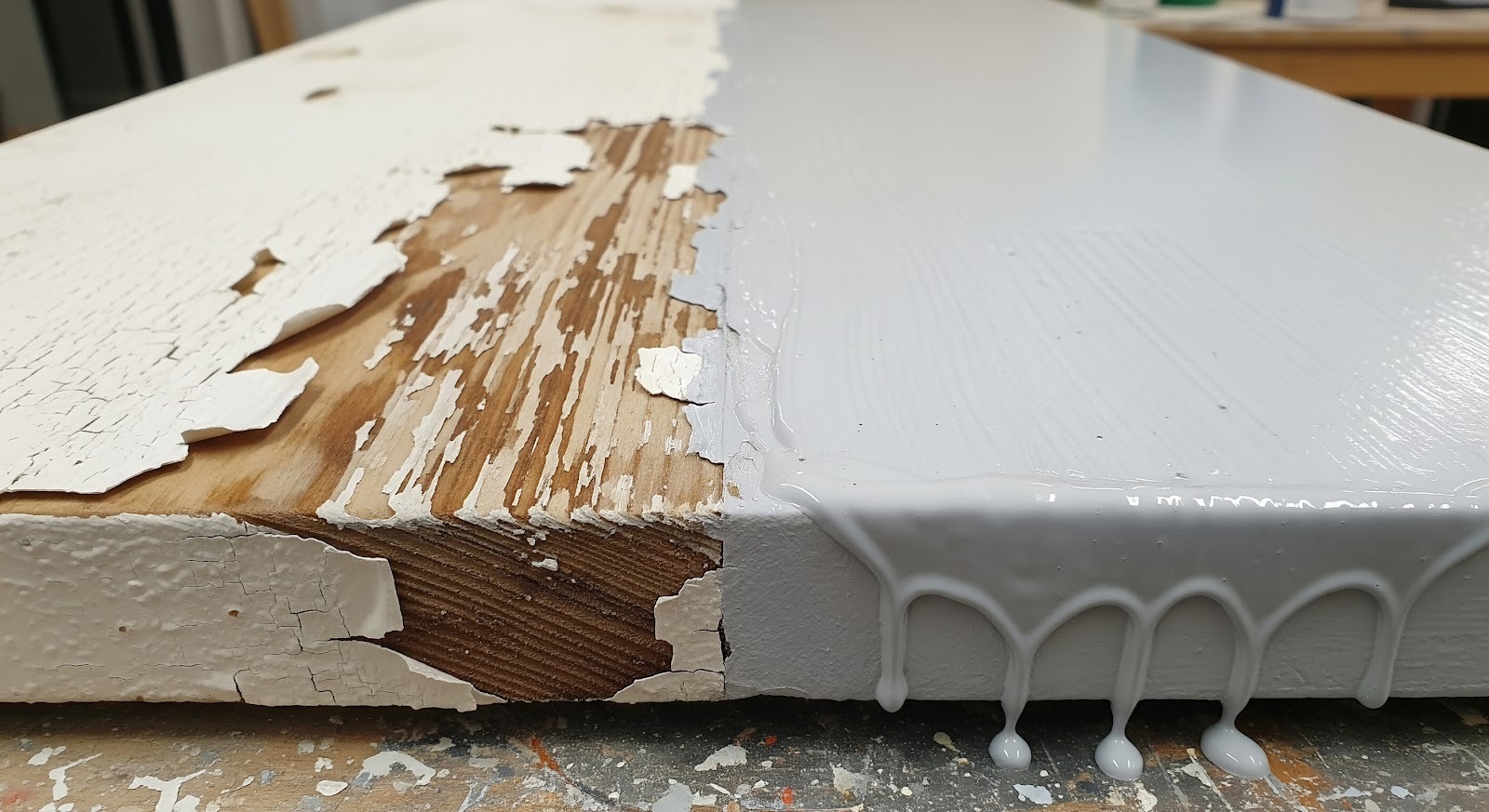
Painting is 70% preparation. A common mistake is insufficient degreasing of the surface before sanding; this actually chafes the existing grease and dirt deeper into the scratches of the wood, which ruins adhesion.
For a sustainable result, we use a strict protocol:
- Clean and degrease thoroughly with a biodegradable paint cleaner.
- Machine sanding with the correct grain size (P180-P240) for optimal mechanical adhesion.
- Remove all dust residue with an adhesive cloth just before application.
Without these steps, the risk of peeling increases sharply within a few years, no matter how expensive the paint used was.
Too thick a coat of paint
The idea that “more paint is better” is a technical misunderstanding. A layer that is too thick leads to sagging (runners) and an incomplete drying of the core of the paint film. This results in a soft layer of paint that is extremely vulnerable to damage and wrinkle formation. It is technically superior to apply several thin layers with sufficient intermediate drying time so that the paint can cure over the entire thickness and form a homogeneous protective layer.
Maintenance tips and sustainability
After the completion of the project by Bricknest, the lifespan of the paintwork partly depends on how the resident deals with it. Good maintenance can delay the need for a full paint job by years.
Regular cleaning and treatment of window frames
It is advisable to wipe the frames at least twice a year with a soft cloth and lukewarm water. This removes salts, pollen and air pollution that would otherwise gradually affect the paint layer. During this cleaning, it is wise to inspect the critical points for minor damage. By immediately spotting minor damage, you prevent moisture from penetrating under the paint layer and causing damage to the underlying material.
When is repainting necessary?
There are clear technical indicators that indicate that a new treatment is necessary. It is essential not to wait for the paint to peel off completely, because then the repair will be much more labor-intensive and expensive.
When inspecting, pay attention to the following signals:
- Powdering the paint (if you rub it, color stays on your hand).
- The development of hairlines or small cracks in the paint film.
- Open connections in the corners of the frame.
- Local discolorations that may indicate beginning wood rot.
When these symptoms occur, it's time to call in Bricknest's experts for a thorough assessment and a new, sustainable finish that protects and visually refreshes your home for years to come.

