
A smart home will no longer be a futuristic extra in 2026. More and more homes are using smart thermostats, lighting, security cameras, sensors, blinds and devices that are controlled via one app or automatically. However, the most important question remains practical: does such a system only provide comfort, or can it also contribute to lower energy costs and a better functioning home under the right circumstances?
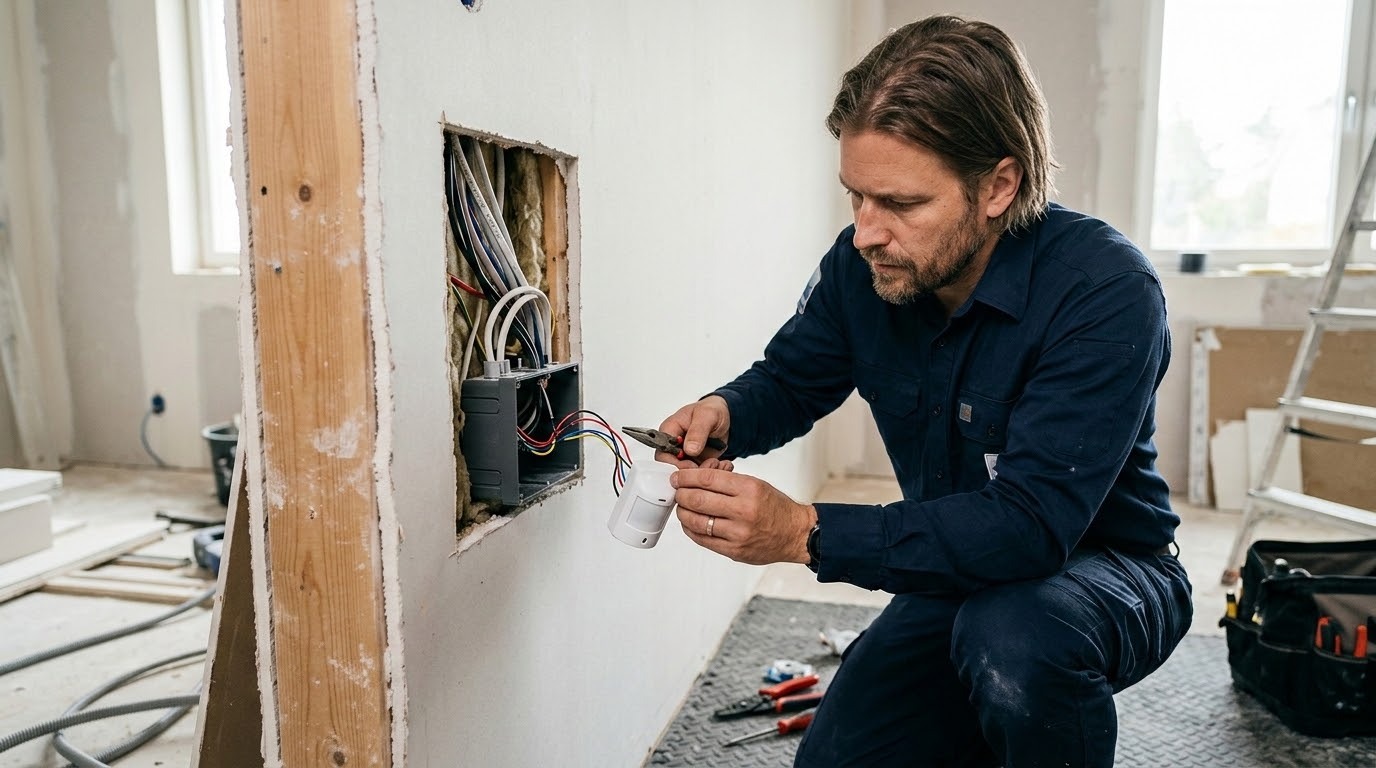
If you are looking for a smart home, what's the explanation, you should not see a smart home as a collection of separate gadgets, but as a system where devices, sensors and installations work together logically. A smart home only works well when devices work together logically. Heating, lighting, ventilation, security and sun protection must respond to use, presence, temperature, schedules and energy consumption. This is particularly interesting in a renovation, because cabling, group cabinet, Wi-Fi coverage and technical connection points can then be included immediately.
What is a smart home?
A smart home is a home in which technical systems are digitally controlled. This can easily start with smart lights and a thermostat, but also develop into a fully integrated system for climate, safety, lighting, audio, sun protection and energy management.
The core is automation. The home not only responds to manual control, but performs preset actions. This makes the home more comfortable, safer and often more energy efficient. At Bricknest, smart home technology is primarily viewed from a renovation perspective: what does it add to daily use and what needs to be prepared architecturally or electrically?
Concept of smart home
A smart home combines devices, sensors, software and networks. The resident can control systems via an app, wall panel, voice assistant or automatic setting. Think of lighting that dims in the evening, heating that goes lower when it is absent, or blinds that close when there is strong sunlight.
Smart home technology explanation starts with connectivity: devices must be able to communicate reliably via WiFi, Zigbee, Z-Wave, Thread, Bluetooth, Matter or wired systems. Matter is also playing an increasingly important role here as an interoperability standard for smart home devices. However, Matter does not solve every compatibility issue: it must be checked for each product which functions, hubs and platforms are actually supported.
Home automation
Home automation is the broader technical name for home automation. Home automation is about how devices, installations, sensors and software together form one usable system. A home automation system can easily be wireless, but larger renovations often opt for a more stable wired base or hybrid solution.
The question of home automation: what can you automate at home depends on budget, type of housing, technical infrastructure and the desired level of automation. Common applications include:
- heating and smart thermostat;
- lighting and dimming scenarios;
- blinds, curtains and shutters;
- security, cameras, locks and sensors;
- ventilation, air quality and humidity measurement;
- energy consumption, solar panels and charging points.
Not everything has to be installed at the same time. A good system is expandable, so that additional functions can be added later without having to break open the home again.
Main idea of the technology
The main idea is simple: the home should respond better to real use. A classic system often uses fixed switches and manual controls. A smart home can follow schedules, respond to sensor data, and recognize patterns in some systems, reducing energy consumption when spaces are not being used.
In doing so, the technology is moving from luxury to functional home comfort. The question smart home, luxury or necessity, therefore has no general answer. For some residents, it's mostly convenience. For others, for example when it comes to high energy costs, working from home, care needs or large homes, automation may become practically necessary.
How does a smart home system work?
A smart home works via connected devices that receive signals, process measurement data and perform actions. Sensors measure movement, temperature, light, humidity or presence, for example. The central hub or app processes that information and controls devices according to set rules.
In the home automation system how does it work, stability is important: a smart system must not only function during installation, but also remain reliable in the event of internet failures, software updates and daily use. A smart system should not only work during installation, but also remain reliable in the event of internet failures, software updates, and daily use.
Working principle
Most systems consist of three layers: devices, communication, and control. Devices include lights, thermostats, sensors or smart plugs, for example. Communication takes place via wireless protocols or cabling. Control is via an app, hub, wall panel or automation platform.
A simple situation: a motion sensor detects presence in the hall. The system switches lights on at 40 percent. After five minutes of no movement, the light goes out. A more complex situation: the house lowers the heating when no one is home, closes blinds in case of heat, and switches on ventilation when there is high humidity.
Automatic scenarios
Automatic scenarios make the difference between smart devices and a real smart home. A light that can be switched on via an app is useful. A home that itself responds to time, attendance and energy consumption is more functional.
Examples of scenarios include morning mode, absence mode, evening lighting, vacation mode and energy savings. In a bathroom, ventilation can automatically run extra after showering. In a living room, blinds can close when the indoor temperature rises. In a home office, lighting can adapt to daylight.
Control via smartphone
Control via smartphone or tablet makes it possible to control the home remotely. Heating can be turned down when no one is home. Lights can be switched off. Cameras or sensors can send notifications in case of movement, leakage or open windows.
However, a home should not become completely dependent on a telephone. Physical switches remain practical, especially for guests, children or situations without internet; in addition, critical functions such as lighting, heating and ventilation should preferably also be operated locally or manually. A good design combines digital control with ordinary, understandable room control.
Advantages and disadvantages of a smart home
A smart home can improve comfort and control, but the system must suit the home and user. Too many separate devices without a plan can actually cause frustration. That's why thinking about goals in advance is more important than buying the latest gadget.
Smart home system advantages and disadvantages are about balance: convenience, safety and possible savings compared to costs, maintenance, privacy risks and dependence on technology.
Benefits
Key benefits include convenience, energy management and safety. Residents don't have to regulate manually and get better insight into consumption. Heating is particularly interesting, because it remains a major cost item in many Dutch homes.
Milieu Centraal states that a smart thermostat in an average home with residents who are not yet consciously heating economically can save about 14% of gas for heating; for residents who already heat economically, the savings are usually lower. Those who already heat very economically save less; the system mainly helps to prevent waste.
Other benefits include better control over lighting, automatic shut-off of devices, leak or smoke alerts, and simulating attendance during vacation. For larger homes, zoning heating or lighting can provide extra comfort.
Disadvantages
The disadvantages are mainly in cost, compatibility and dependency. Devices from different brands do not always work well together. Some features require a cloud account or subscription. In the event of internet failures, certain functions may be limited, especially if the system does not work locally.
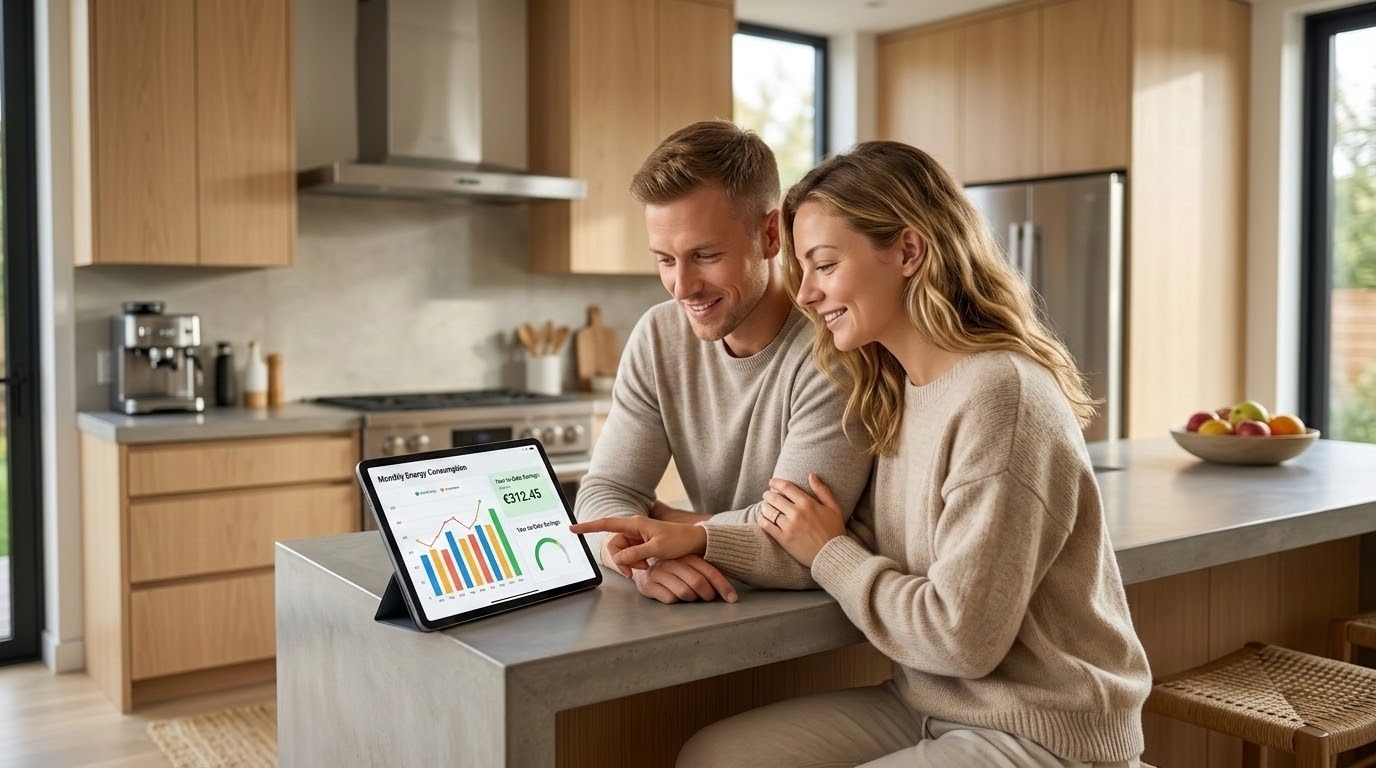
Privacy and data security also play a role, especially with cameras, microphones, smart doorbells, motion sensors and cloud accounts. Cameras, microphones, motion sensors and usage data must be managed carefully. So choose systems with clear security settings, regular updates, strong passwords, two-step verification, local control where possible, and reliable access control. With cameras and smart doorbells, it is also necessary to check where the camera is aimed, who has access to images, how long images are stored and whether visitors or neighbours are clearly informed.
Who is the technology right for?
Smart home is suitable for apartments, terraced houses and detached houses, but the best application varies by home. In apartments, the focus is often on lighting, thermostat, security and energy measurement. In homes, this includes sun protection, outdoor lighting, garden watering, charging points and multiple heating zones.
The technology is particularly suitable for residents who want to combine comfort with control. In the event of a complete renovation, the logical time is to lay the foundation: extra empty pipes, strong Wi-Fi, sufficient sockets, a modern group cabinet and clear zones.
Savings and payback period
The financial value of a smart home depends primarily on energy use. A smart door lock or automatic curtains provide comfort above all. However, a smart thermostat, zone control, energy insight and automatic lighting can have a direct influence on consumption.
When it comes to smart home saving energy: how does it work, it mainly involves less waste: the system only heats, lights or ventilates where and when necessary. The system only heats, lights or ventilates where and when needed. The savings are greatest in homes where a lot is now forgotten manually or where fixed schedules do not match daily use.
Lower costs
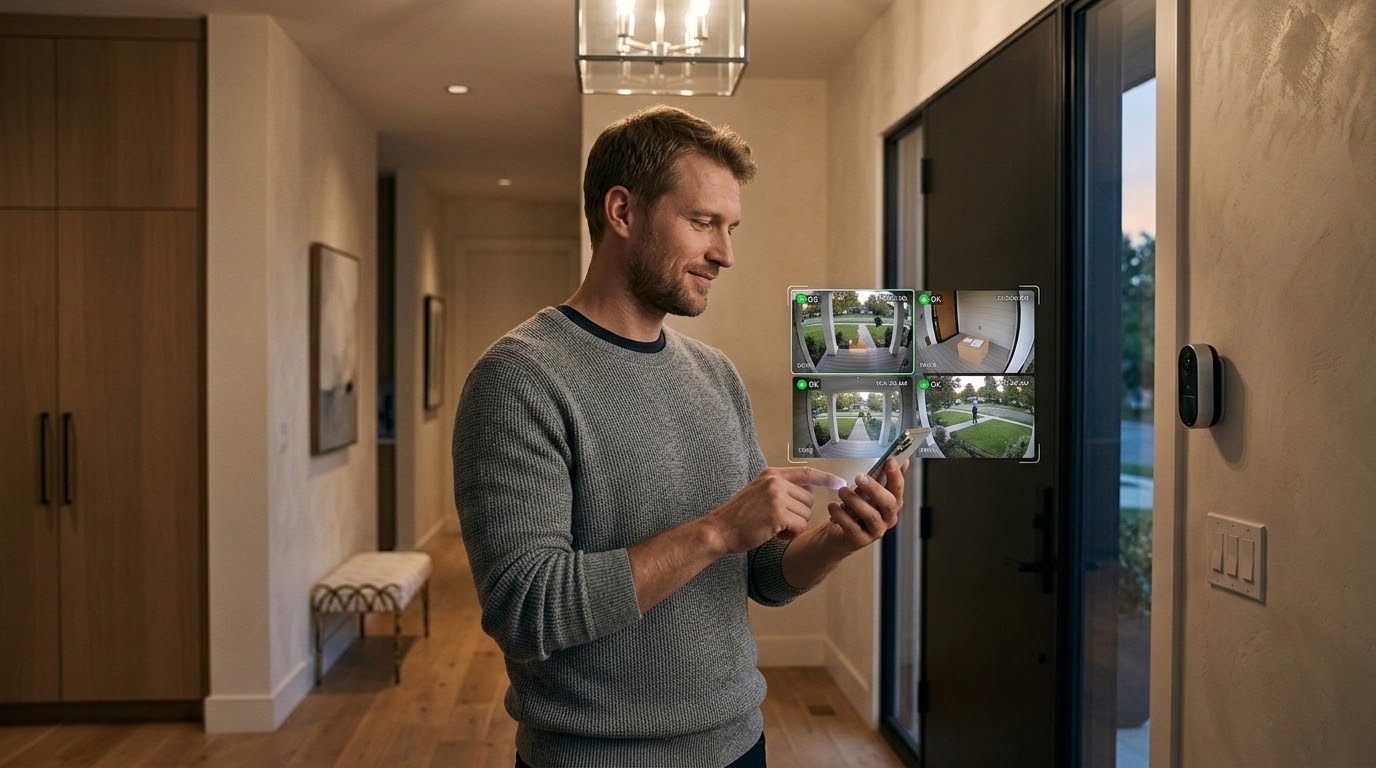
Smart systems can help reduce heating, lighting and standby consumption. The biggest potential savings are usually in heating. The national government points out that a smart meter provides insight into energy consumption and estimated costs; that insight can help to save more consciously, but a smart meter does not automatically save without appropriate behavior or additional control.
When it comes to lighting, the savings are often smaller when LED lights are already used. However, motion sensors in corridors, toilets, storerooms and outdoor areas can be useful. Automatic shut-off prevents unnecessarily burning lights.
Installation costs
The costs of a smart home vary widely and depend on the number of devices, the chosen protocol, the need for cabling, the group cabinet, installation work, software, subscriptions and possible integration with heating, blinds or security. A basic setup with a smart thermostat, a few lights and sensors can remain relatively limited. A comprehensive system with wired home automation, multiple zones, security, audio, sun protection and energy management costs considerably more.
When it comes to smart home costs versus energy savings, a distinction must be made between comfort investments and measures that can actually reduce consumption. A smart thermostat can pay for itself more quickly than luxurious light scenes or automatic curtains, especially when the original gas consumption is high and the heating was previously not consciously controlled. Larger renovations can reduce installation costs if cabling and technical preparation are carried out at the same time as other activities.
Payback period
Whether the question is smart home worthwhile in the Netherlands will be answered positively depends on the functions chosen, energy consumption, installation costs and the extent to which residents actively use the system. A smart heating system can be financially interesting when gas consumption is high or residents often forget to adjust the temperature. With low energy costs or very economical behavior, the payback period is longer.
A realistic approach starts small: smart thermostat, insight into consumption, automatic lighting in passageways and sensors for safety. The system can then be expanded. When renovating, Bricknest recommends treating smart homes not as a separate gadget layer, but as part of electricity, lighting, climate and user comfort. This creates a home that not only looks smarter, but is also technically logically arranged and is better suited to comfort, safety and energy management.

