
When a roof starts to leak in the winter, a vulnerable situation immediately occurs. Cold air, sleet, strong wind and a roof that dries less quickly mean that even a small opening can cause major damage. Water always finds a way, and in winter it often spreads more quickly through insulation and wooden parts, because materials shrink due to low temperatures. A timely roof leak repair prevents a minor disruption from becoming a larger structural problem that affects both home comfort and safety.
Why tackling roof leaks quickly is important
The problem with leaks in the winter is that they often only become visible when the damage has been going on for some time. Many residents only notice it when moisture spots form on the ceiling, stucco starts to peel off or there is a musty smell in the room. By that time, the water has usually already made its way through several layers of roof. Because roof structures are constantly under stress in the winter due to temperature changes, a leak spreads faster than expected.
Delaying roof leakage repairs involves considerable risks. As soon as insulation material gets wet, it loses its insulation value almost immediately, causing the home to cool down more quickly. As a result, the heating runs more intensively and the energy costs increase. In addition, wet insulation is a perfect breeding ground for mold. Wooden beams and panels absorb moisture, which leads to deformation, wood rot and, in severe cases, a reduction in load-bearing capacity.
Electrical installations that run behind walls or ceilings are also vulnerable. A small drop in the wrong place can lead to malfunctions or a short circuit. That is why it is important not only to combat symptoms, but also to carefully find out the cause.
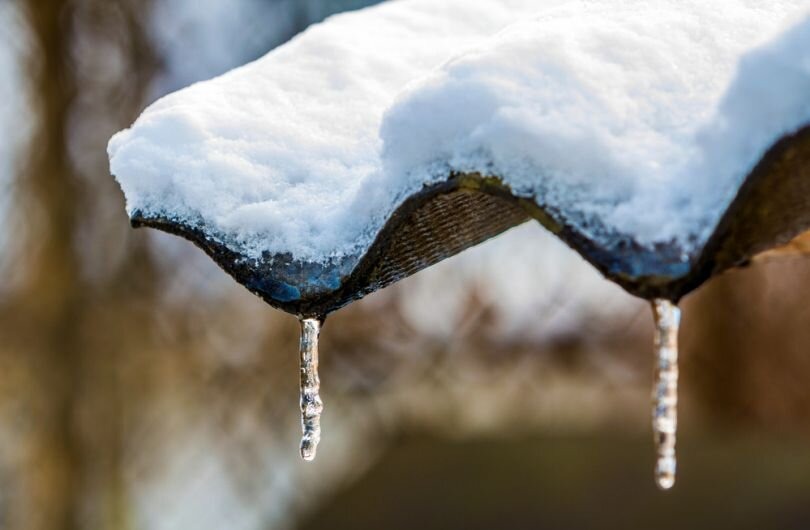
In addition, there is an additional risk: water that remains in the structure and then freezes. Frozen moisture expands and increases cracks in roof tiles, bitumen webs and sealants. Each thaw and frost cycle increases the damage, causing an exponential increase in leakage. This repeated load can even affect a sturdy roof structure.
The loss of energy should not be underestimated either. A roof that is no longer airtight loses heat through small cracks caused by leaks. This causes drafts, rooms feel colder and heating costs increase significantly.
A quick diagnosis and immediate intervention are therefore crucial. The sooner a professional is called in, the lower the risk of structural damage and the lower the overall repair costs will be.
Leaks by roof type (flat, sloped, dormer window)
Not every roof responds to winter conditions in the same way. Knowledge of the most common causes per roof type makes it easier to assess the severity and determine the appropriate recovery method.
Flat roofs
Flat roofs are extra sensitive to water accumulation. Due to snow and heavy rain, small subsidence can occur, causing water to remain standing. Bitumen becomes harder and more brittle in the cold, causing cracks that only become visible when moisture comes through. As a result, repairing a flat roof leak is often a combination of repairing and preventive strengthening. EPDM responds better to temperature changes, but incorrect installation or outdated seams remain weak spots.
Sloped roofs
Sloped roofs usually leak through connections: eaves, ridge arches, skylights or a poorly connected chimney. Shifted pans due to storms are also common in Dutch winters. Water runs under the pan and quickly reaches the underlying foil, where it slowly seeps in. Because the droplets often appear meters further down, detecting them takes longer than the repair itself.
Dormers
A dormer window has many more connection and transition points than a standard roof surface. As a result, repairing a dormer window is common, especially after a period of wind and frost. Buoys warp due to moisture, sealant seams become hard and can break, and wooden dormers expand more quickly in winter. The transition between roofing and the side walls of the dormer window also remains a risk area.
Emergency repair: what's happening?
An emergency roof leak repair consists of more than just a quick seal. The goal is to stop the damage and to prepare a structural solution.
The process usually takes place in steps:
- Rapid diagnosis under winter conditions. The roofer examines the roof for storm damage, open seams, torn membranes or blockages. This looks at the immediate cause and indirect risks.
- Emergency seal that is resistant to cold. Sealing materials for winter use are different from products that are used in the summer. They must remain flexible at low temperatures and adhere quickly to damp surfaces.
- Repair of roof material as soon as weather permits. Final repairs—such as burning new bitumen, installing EPDM strips or replacing lead bibs—can only be carried out when the temperature allows.
- Drainage and ventilation control. A leak is often a symptom. The cause is often clogged drains or insufficient slope. A thorough inspection prevents recurrence.
This method not only keeps your roof dry, but also avoids new problems.
Detect leaks without damage
Modern techniques make it possible to detect leaks without removing roof tiles or having to open roof layers. For winter diagnoses, these methods in particular have been proven effective:
- Thermographic research, where heat differences reveal where insulation is wet or where heat escapes.
- Smoke tests, to see which openings smoke comes out through.
- Moisture measurements with sensors that measure deep into the insulation layer.
- Pressure tests that detect air flows in small cracks.
By working without damage, the roof structure does not have to be opened unnecessarily — a great advantage in case of severe frost.
Cost indication (global)
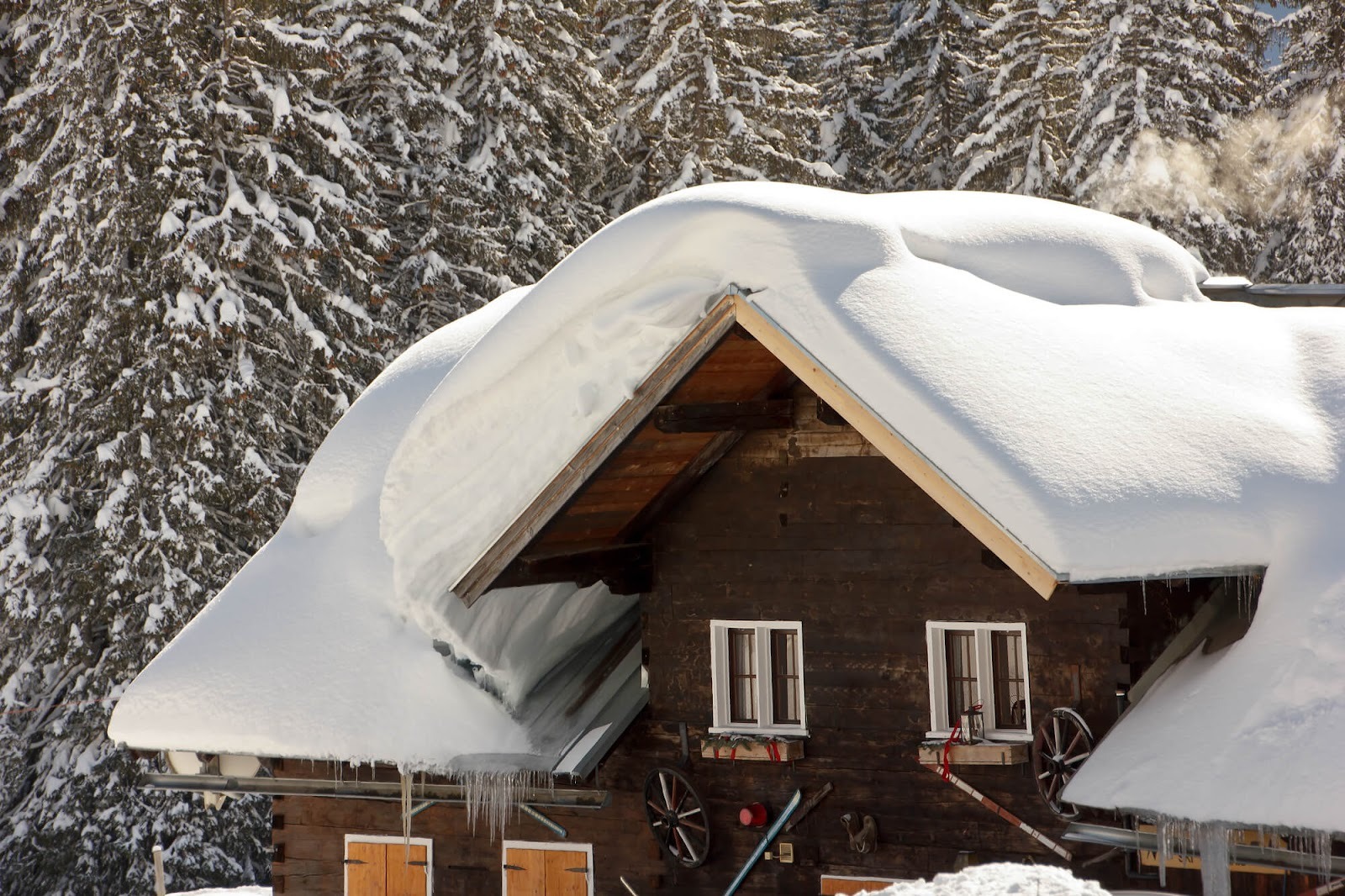
The costs for a repair vary by roof type, extent of damage and material. Winter rates may be slightly higher due to extra safety measures and shorter work windows.
Global target prices:
- minor emergency repair: €150 — €350,
- flat roof repair: €250 — €600,
- dormer repair: €300 — €700,
- structural damage or wood rot: on the basis of a quote.
A quick intervention prevents costs of up to thousands of euros due to saturated insulation or damage to structural parts.
Why choose professionals
An experienced roofer understands how materials react to cold and moisture. Bitumen that are too cold does not adhere. EPDM becomes stiff at low temperatures. Sealants dry slower and have different processing times. That is why expert knowledge is essential in the winter.
In addition, working at height under winter conditions is a major safety risk for DIY enthusiasts. Roofers have fall protection, winter-resistant tools and knowledge of emergency procedures. The result is faster, safer and more sustainable.
Learn more about roof repairs: https://www.bricknest.nl/dakwerken
Read more about preparation, foundation and finishing in this article: https://www.bricknest.nl/blog/tuinhuis-bouwen-vergunning-fundering-afwerking
FAQ
1. Can a roof leak stop by itself?
No, a leak only gets worse because of moisture, wind and frost.
2. Is it possible to repair in case of snowfall?
An emergency repair, yes; permanent repair takes place when the roof is dry and workable again.
3. How do I recognize hidden leaks?
Look for musty odors, cold spots, mold or discoloration on ceilings and walls.
4. Does insulation help prevent leakage?
No, insulation does not protect against water. As soon as it gets wet, it loses its function.
5. What is the biggest risk in the winter?
Expanding water during frost, causing small cracks to expand and create new openings.

