
In the current Dutch housing market, energy optimization is no longer a luxury, but a necessity. With fluctuating energy prices and stricter regulations surrounding the energy label, the thermal shell of a building is the most important factor for the value and comfort of real estate. A home that is not optimally insulated loses heat from all sides of the house: through the roof, the facades and the floor. At Bricknest, we approach insulation as an integral technical system where the interaction between ventilation and thermal resistance must be precisely coordinated. By investing in high-quality insulation, you create a stable indoor climate and significantly reduce your household's ecological footprint.
Roof insulation
The roof is responsible for approximately 30% of the total heat loss in an uninsulated home. Because warm air rises, an uninsulated roof acts as an open window that constantly lets energy escape. The technical challenge in roof insulation lies in controlling the vapour flow and preventing condensation within the structure.
Flat roofs and materials
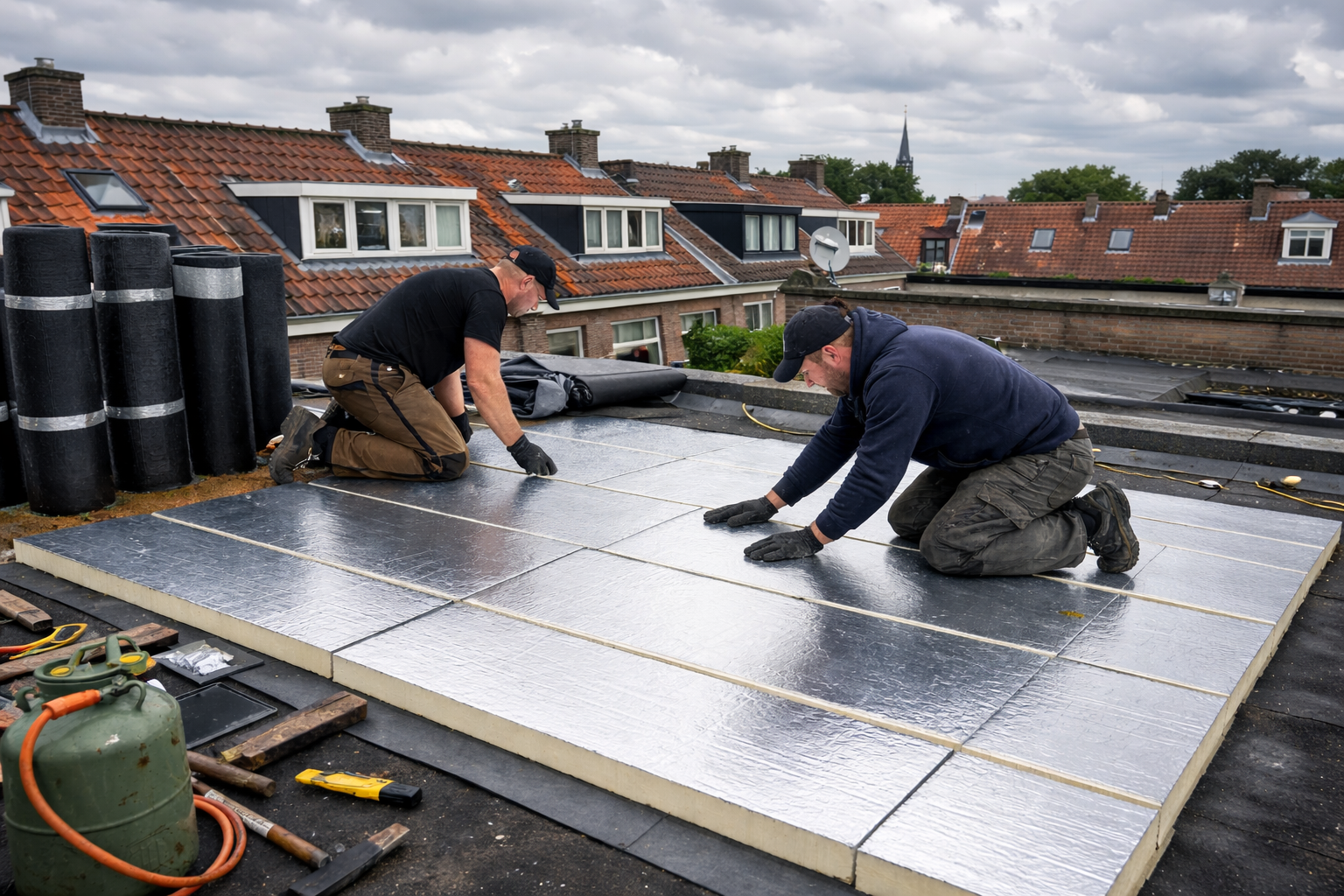
When insulating a flat roof, the warm roof method is often chosen, where the insulation layer is placed at the top of the roof structure. This keeps the load-bearing structure of the roof at the temperature of the interior, which minimizes thermal stress and cracking. PIR panels with a high RD value are the industry standard here because of their excellent pressure resistance and insulation value with a relatively small thickness. For a detailed overview of the different methods for both flat and pitched roofs, please use our comprehensive roof insulation guide consult, in which we further analyze the costs and choice of materials per type of roof.
Modern insulation techniques
Innovations in building chemistry have led to techniques that offer excellent results even for monumental buildings or limited space. This includes vacuum panels (VIP) that achieve an extremely high insulation value at a fraction of the thickness of traditional materials. The use of reflective multi-layer foils is also increasingly being combined with traditional mineral wool to keep radiant heat inside more effectively. At Bricknest, we always integrate these modern solutions with an airtight finish, as even the smallest leak in the vapor barrier can reduce the effectiveness of the insulation by tens of percent.
Wall insulation
The façade forms the largest surface area of the home and is therefore a critical point for energy management. The technical insulation of the walls requires an analysis of the existing cavity width and the quality of the masonry to determine the right strategy.
Panels and stucco
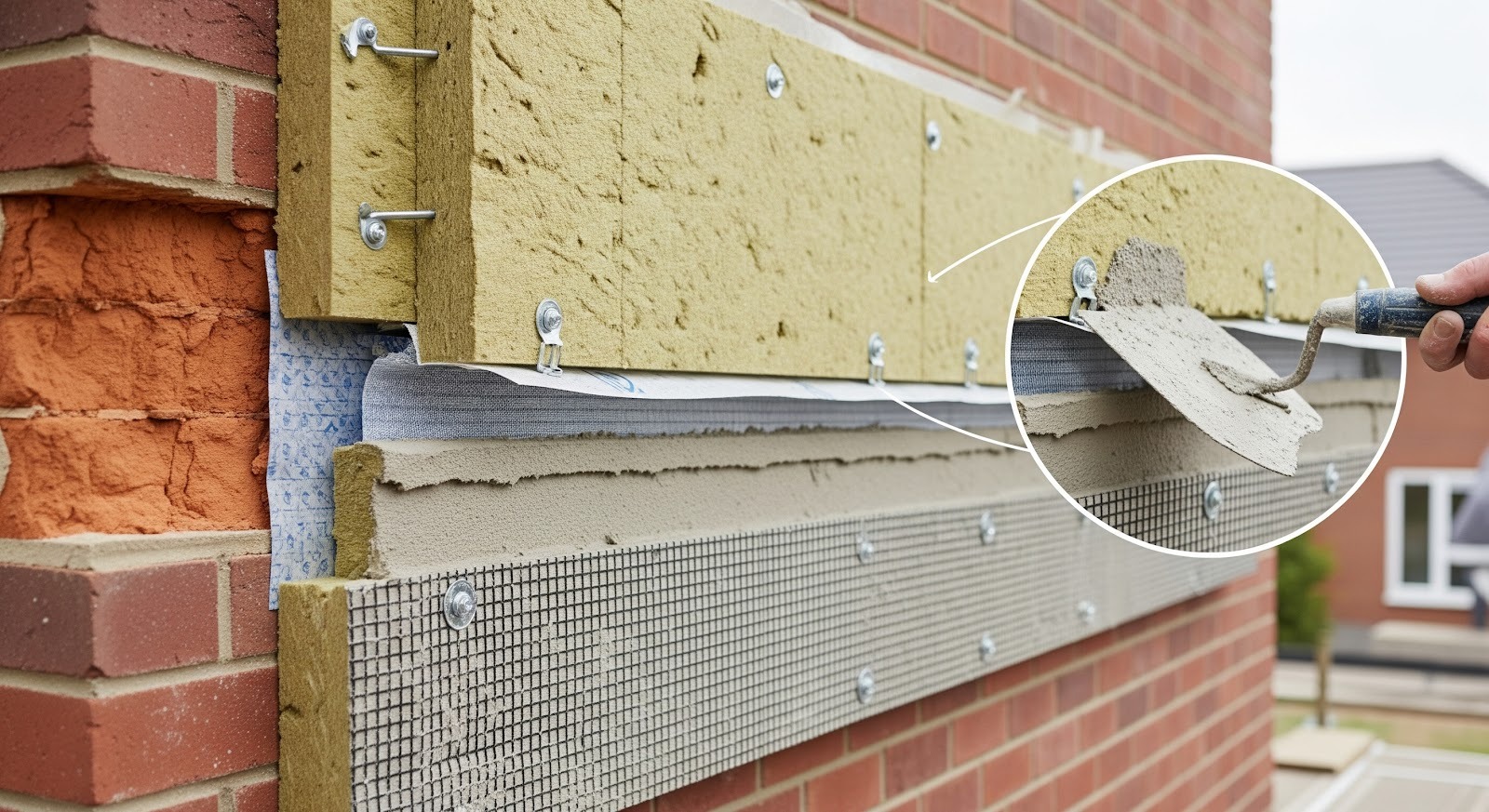
When a cavity wall is missing or offers insufficient space, exterior wall insulation (EWI) is the most effective method for insulating the wall. Here, hard wall insulation panels are mounted directly against the outside of the façade and finished with a reinforced stucco mortar or stone strips. This method completely eliminates thermal bridges, as the insulation is wrapped around the house as a continuous layer of insulation. In our specialized guide to facade insulation you can read more about the specific finishes and the associated costs for this major but highly cost-effective procedure.
Protection against humidity and temperature changes
Skilled wall insulation should not only keep heat in, but also ensure the physical health of the wall. In the case of post-insulation, the dew point (the place where water vapor condenses) shifts to the inside of the insulation layer. Without a correctly calculated ventilation plan or the use of vapour-proof materials, this can lead to moisture accumulation in the structure. That is why Bricknest always advises on the use of climate foils and intelligent membranes that adapt their permeability to relative humidity, so that the façade can evaporate in the summer and insulate as much as possible in the winter.
Floor insulation
A cold floor is one of the most common complaints about home comfort. Floor insulation not only ensures that the feet stay warm, but also prevents moisture from the crawl space from entering the home, which is essential for a healthy living environment.
Under tiles, laminate and concrete
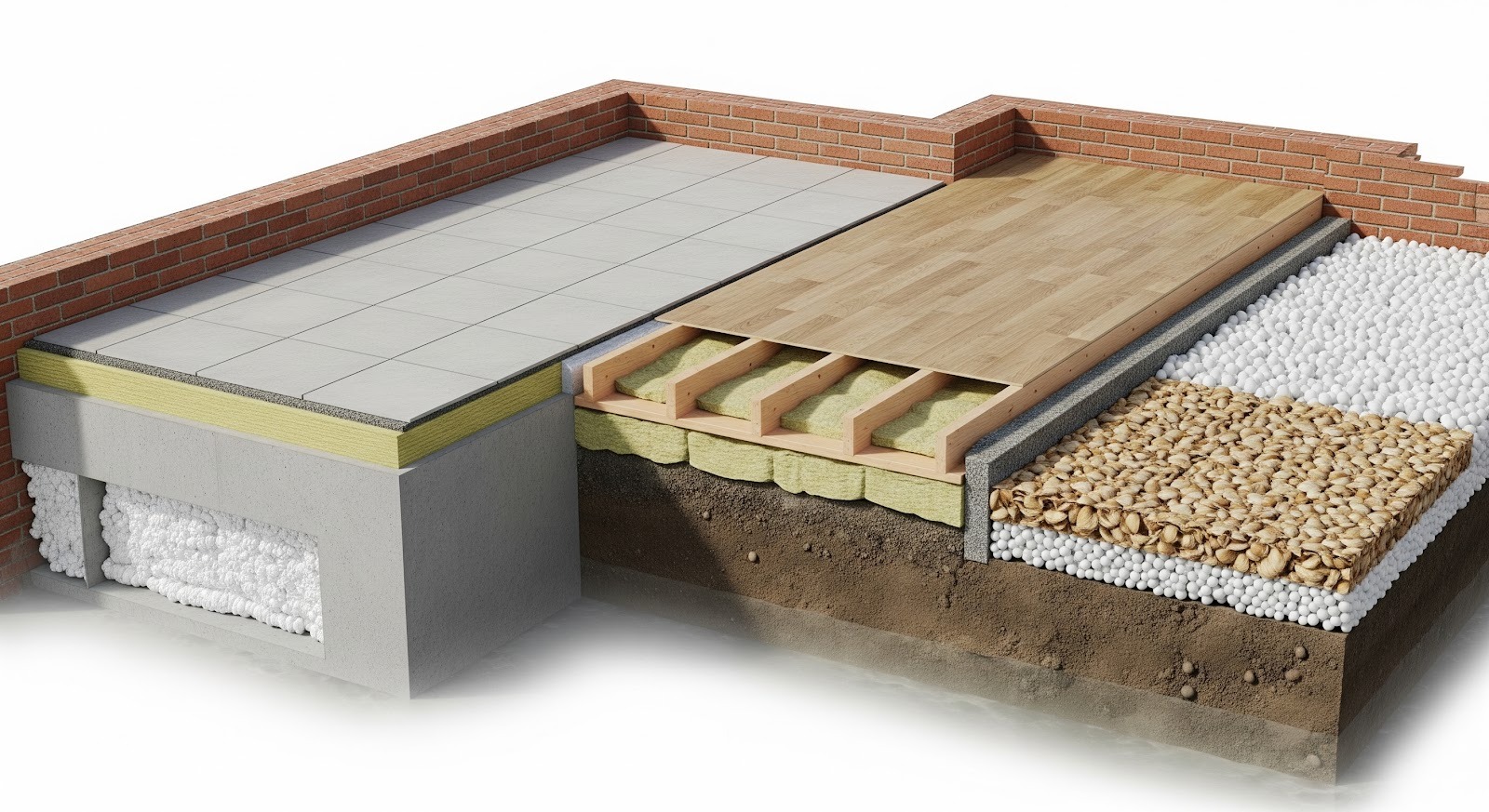
The method of insulation depends heavily on the floor structure and the accessibility of the crawl space. When renovating a concrete floor, we often opt for insulation at the bottom of the floor, provided that there is sufficient working height. If the floor is tackled from above, we use thin, flameproof insulation plates that are suitable for direct finishing with a screed or dry construction system. For more information about the technical implementation and the choice of different floor types, please refer to our floor insulation guide, in which we explain the advantages and disadvantages of each system step by step.
Energy efficient solutions
For homes with a very humid or low crawl space, shell insulation or soil insulation with EPS pearls offers an excellent solution. Although the insulation value directly against the floor is technically higher, soil insulation ensures that the humidity in the crawl space drops drastically, which indirectly contributes to energy savings. The shells absorb moisture and form a barrier between the wet floor and the floor structure. At Bricknest, we evaluate the condition of your crawl space to determine whether soil insulation is sufficient or whether structural insulation at the bottom of the floor is necessary for your comfort goals.
Material selection
The market for insulation materials is extremely diverse, ranging from petrochemical products to bio-based alternatives. Each type of material has specific lambda values (thermal conductivity coefficient) and fire classes that determine where the material is best used.
Plates, EPS (styrofoam) and mineral wool
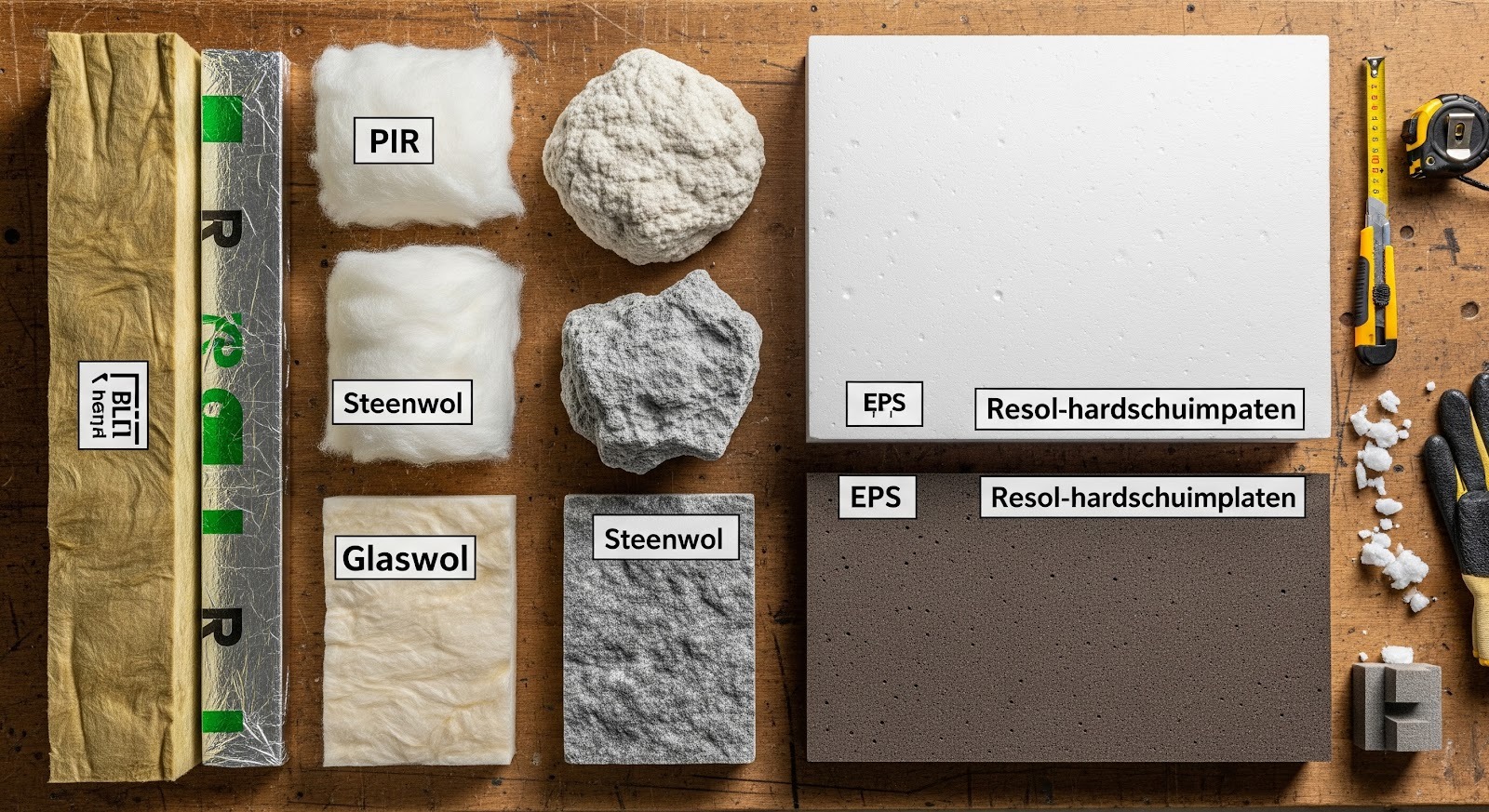
When selecting the right insulation boards, we look at the specific requirements of the structure. EPS is lightweight and moisture resistant, making it ideal for floors, while mineral wool (glass wool or rock wool) offers superior acoustic properties and increased fire safety for roofs and walls.
The most common materials used for professional insulation are:
- PIR (Polyisocyanurate): The highest insulation value per centimeter, ideal for limited space.
- Rockwool: Non-flammable and excellent for sound insulation between floors.
- EPS (Expanded Polystyrene): Economically advantageous and resistant to rot or mildew.
- Resol hard foam panels: For situations where extreme thinness and maximum RD value are required.
Bricknest only works with certified materials that meet the strictest European quality standards.
Benefits of the various options
In addition to thermal resistance, sustainability and recyclability also play a role. Mineral wool, for example, is almost completely recyclable, while PIR has a longer lifespan without loss of insulation value. In a project with wall insulation panels for a corner house, we often recommend materials with a higher density to also effectively block out ambient noise. Combining materials can sometimes offer the best solution from a technical point of view; think of a hard plate for insulation value with a soft wool finish for acoustics.
Installation and assembly
Even the best insulation material performs poorly when installed improperly. Air flows through the insulation can reduce effectiveness by 40% to 60%, underlining the importance of accurate installation.
Advice from specialists
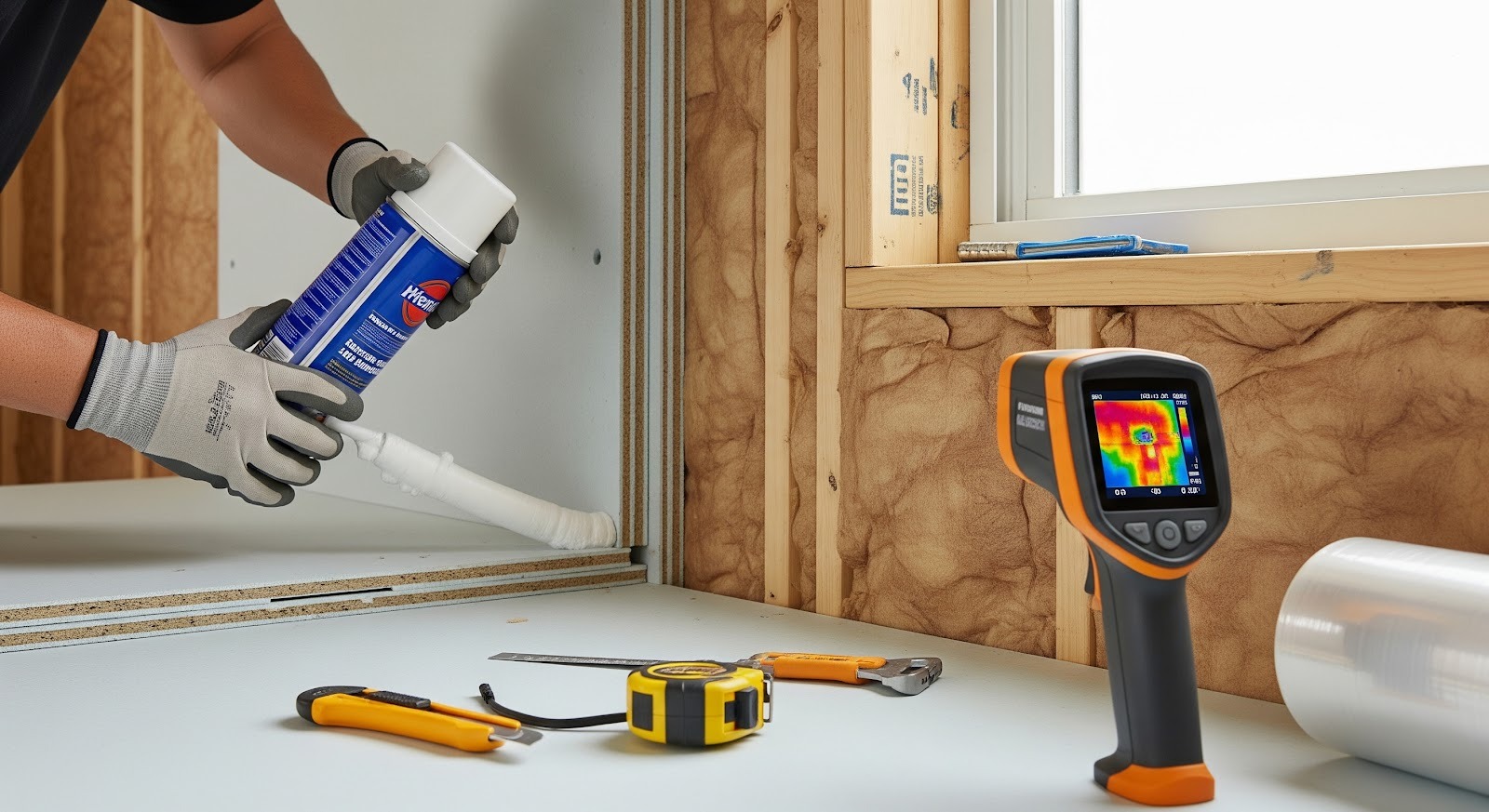
Hiring a Bricknest insulation specialist guarantees that the technical details, such as the connection to the frames and the roof base, are carried out correctly. A specialist looks beyond just installing plates; it checks for airtightness and the presence of existing pipes that can be annoying. By using thermographic research (thermal imaging camera), we can demonstrate after installation that the thermal shell is completely closed and that no hidden defects have remained.
Minimizing heat loss
Preventing thermal bridges (areas where insulation is interrupted) is the biggest technical challenge in renovations.
Our engineers pay attention to the following critical points during installation:
- Seamless connection of the plates using tongue-and-groove connections.
- Purifying cracks with insulation foam that remains flexible during temperature changes.
- The correct implementation of the insulation at wall plate connections.
- The installation of vapour barrier films without punctures by nails or screws.
This precision during installation ensures that you get the maximum return on your investment and that the calculated energy label is also achieved in practice.
Sustainability and maintenance
In principle, insulation is a maintenance-free measure, but the preconditions for proper functioning must be monitored over the years. The lifespan of modern insulation systems is usually the same as that of the home itself, provided that moisture problems are prevented.
Inspection and Prevention
Periodic inspection of the thermal shell is recommended, especially after storms or extreme rainfall. We recommend that you check the following items regularly:
- The condition of the roof covering above the insulation to prevent leaks.
- The ventilation grilles in the crawl space to ensure the effectiveness of soil insulation.
- Any subsidence of loose insulation materials in the cavity wall.
By proactively inspecting, you prevent invisible moisture accumulation from affecting the insulation value or damaging the structure.
Heat retention for many years
When you choose Bricknest's expertise, you're investing in a solution that lasts for decades. A well-insulated home is not only warmer in the winter and cooler in the summer, but is also ready for the future with heat pumps and low-temperature heating. The initial investment is more than recouped over the years due to lower monthly costs and increased living pleasure. With the right choice of materials and a technical installation that leaves no room for compromise, you are assured of heat retention that will last for generations.

