
At Bricknest, we know how important comfort is in every area of your home, and the bathroom is no exception. A well-chosen and correctly installed bathroom radiator not only ensures a pleasant temperature, but also prevents moisture problems and mold. In this article, we discuss the different types of bathroom radiators, the most important points to consider when choosing and the factors that determine sustainable and energy-efficient heating.
Types of bathroom radiators
There are several solutions for heating the bathroom, each with their own effect, benefits and application options. The choice between water-based and electric radiators depends on your heating system, the comfort of use you want and the technical conditions of the room.
Water-based
Hydraulic radiators are connected to the central heating system or to a separate boiler. They are known for their high efficiency and low energy consumption, which in the long run results in lower heating costs and a stable indoor climate.
Benefits:
- Economical when used continuously (especially with central heating).
- High heat emission, allowing a room to be heated quickly.
- Various design options, including towel radiators.
Cons:
- Depending on the heating season (no heating in the low season).
- More complex installation, requires expert knowledge.
- Coordination with the manager is required (when connected to central heating).
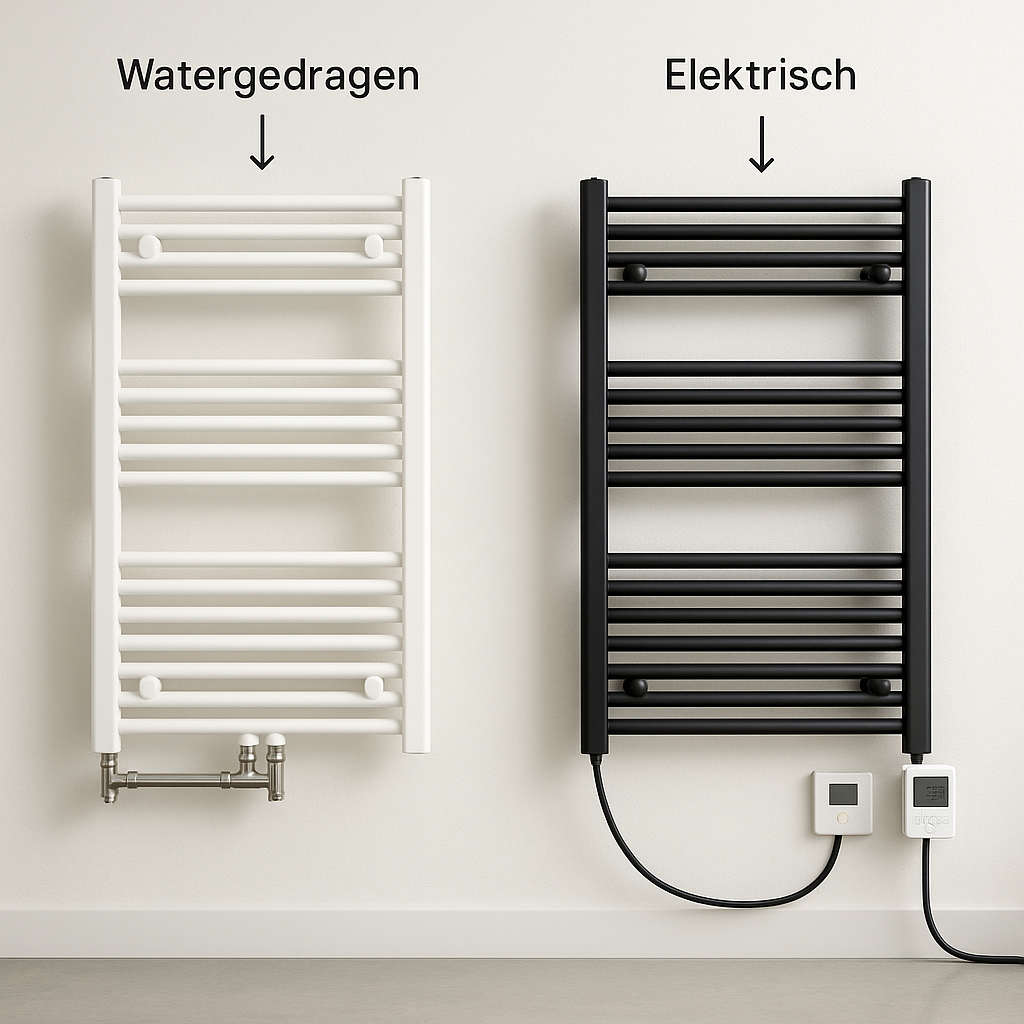
Electric
Electric radiators run on mains power and are a flexible solution for those who want to heat their bathrooms comfortably all year round. Thanks to their simple installation, they are particularly suitable for rooms where it is not possible to connect to central heating.
Benefits:
- Not dependent on the heating season.
- Easy installation (you can do it yourself).
- Temperature control.
Wide range of models, including portable options.
Cons:
- Higher operating costs (electricity bill).
- Requires a grounded outlet.
- Slightly dependent on the stability of the power supply.
Selection criteria
When choosing a bathroom radiator, there are three main points that are decisive: the right heating capacity, the design and the practical suitability for your specific space. A carefully chosen model not only increases comfort, but also contributes to lower energy consumption and a more efficient heating system.
Power
The power of the radiator must be commensurate with both the size and the insulation value of the bathroom. A radiator with too little power cannot heat up the room sufficiently, while a radiator that is too strong consumes unnecessary energy.
Tips:
- On average, calculate around 100 watts per square meter with a standard ceiling height.
- The better the thermal insulation of the room, the less power is needed to maintain a comfortable temperature.
- If you want an accurate calculation, the specialists at Bricknest can provide you with professional advice.
Design
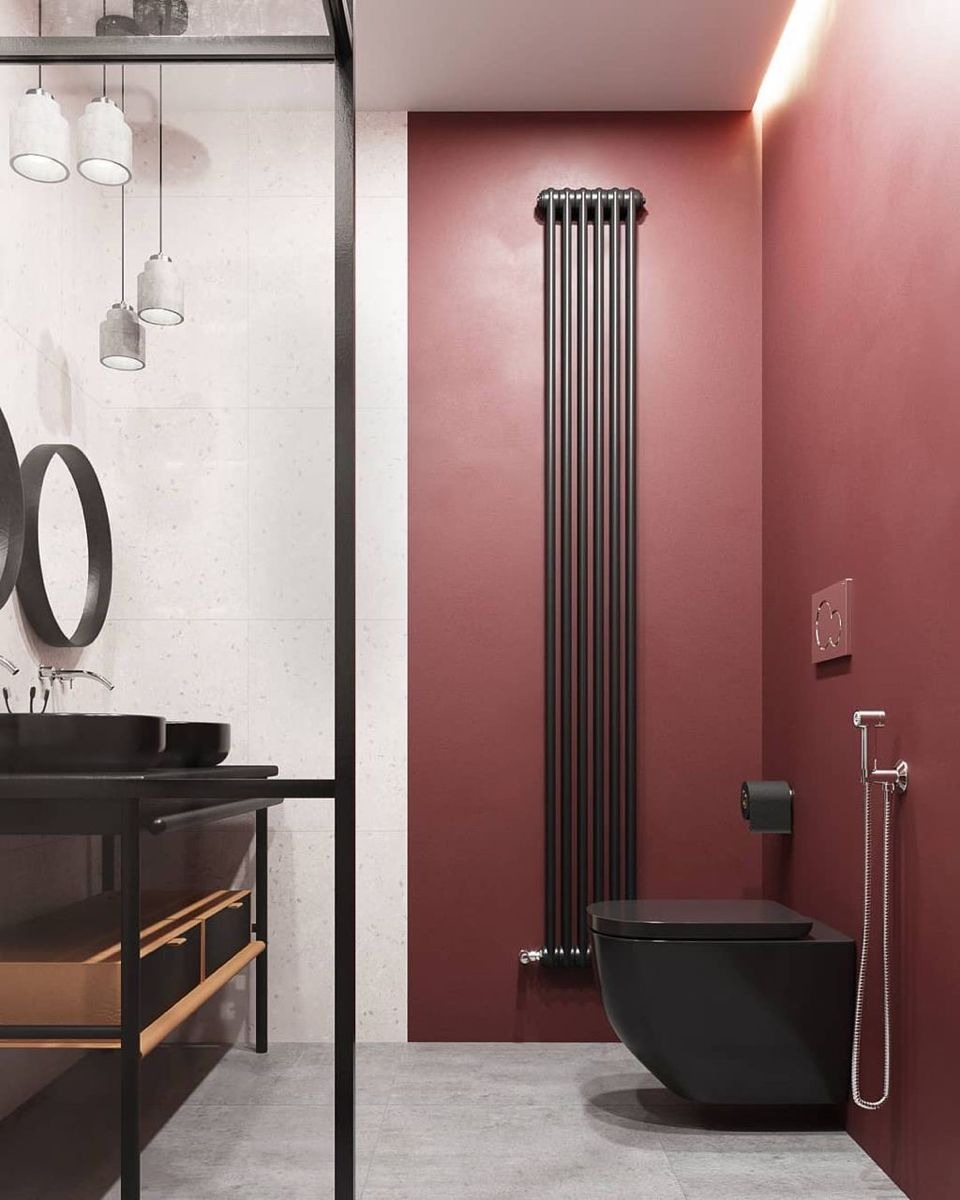
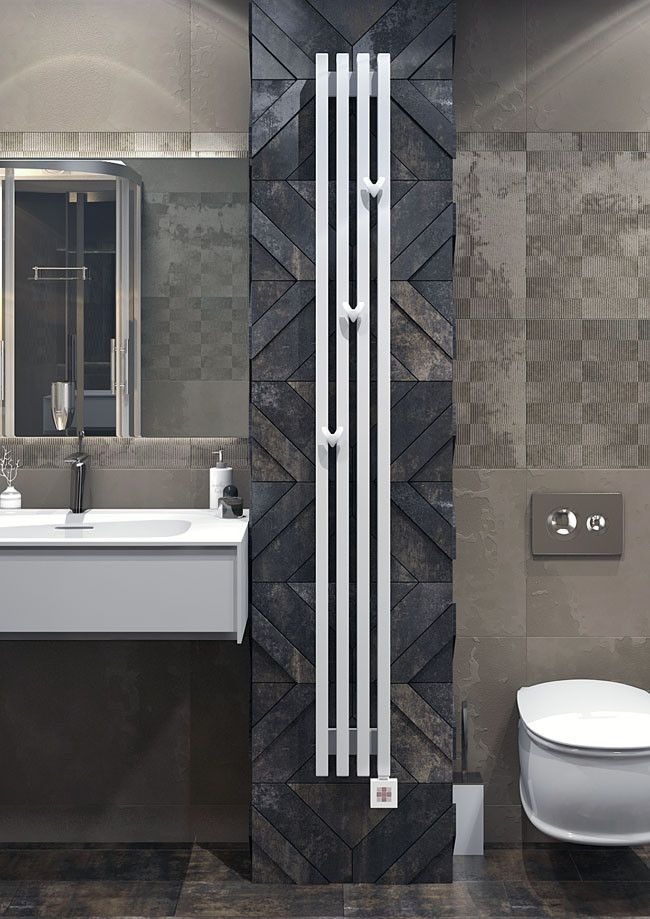
In addition to functionality, the appearance also plays an important role when choosing a radiator. The model should harmonize with the style of the bathroom and enhance the interior. Today, there are countless designs available, from minimalist panels to stylish towel radiators.
Tips:
- Choose a color and shape that matches your furniture, tiling or sanitary facilities.
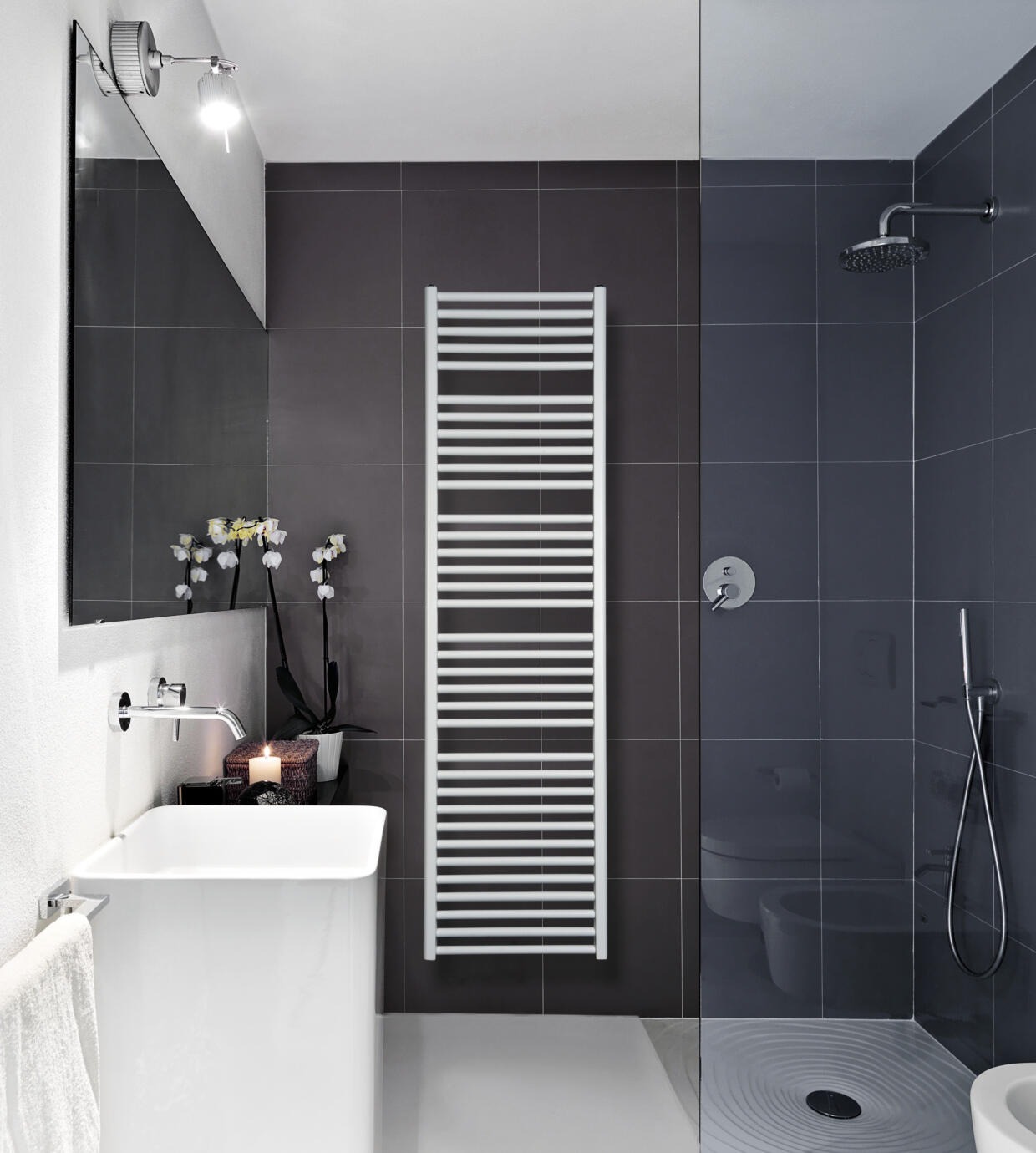
- Think about ease of use: a towel radiator combines aesthetics with practical warmth.
- Pay attention to the dimensions so that the radiator fits well without dominating the space.
Installation and maintenance
Correct installation and regular maintenance are the basis for the efficient and long-term operation of your bathroom radiator. By working carefully from the start, you prevent failures and guarantee optimal thermal comfort.
Installation features
The installation of hydrothermal radiators requires specific technical knowledge and accuracy, so hiring a professional is highly recommended. While electric radiators are usually easier to install, complying with safety guidelines remains essential. For water-based systems, always shut off the heating water supply before work starts, and for electric models, check that the connection is properly grounded. Follow the manufacturer's installation manual carefully to prevent failures or safety risks. Are you unsure about the right approach? The Bricknest experts are ready to carry out the installation for you professionally and without worries.
Operating tips
Regular maintenance of your radiator is essential to extend its lifespan and maintain constant operation. With a few simple steps, you can ensure that your heating system continues to function efficiently and safely.
Important:
- Clean the radiator regularly to remove dust and dirt — this promotes optimal heat emission.
- Do not cover the radiator with towels or other objects so that heat can circulate freely.
- For waterborne systems, check the pressure in the heating system occasionally to prevent air accumulation.
- If you notice that the radiator is heating less well, contact a specialist for inspection and maintenance.
At Bricknest, we're here to help you choose, install, and maintain your bathroom radiator. With our expertise, we ensure a warm, safe and pleasantly comfortable bathroom.

