
A wooden garden shed is a popular way to add extra space and atmosphere to the garden. It not only offers practical storage, but can also serve as a workplace, hobby room or lounge. If you want to install a sustainable and stylish wooden garden house in the Netherlands, you should think about choice, installation and maintenance beforehand. In this guide, we show you what to look out for so that your wooden garden shed lasts for years.
What is a wood garden shed?
A wooden garden house is a detached outbuilding in the garden, consisting of wooden walls and its own roof structure. It is often located in the back of the garden or along the property line and forms a natural transition between home and outdoor space. In practice, it is still often used as a shed for bicycles, tools and garden machines, but more and more often, a wooden garden shed is given an extra function: home office, studio, place to stay or even a small lounge with sitting area and lighting.
Because wood has a warm, natural look, a wooden garden shed looks much friendlier than a plastic or metal version. The material ages beautifully, can be stained or painted in any color and goes well with greenery, pavement and patio. That's why it fits just as well with a sleek new-build home as it does with a characteristic 1930s home. A carefully designed wooden garden shed not only adds practical space, but also enhances the overall picture of the garden and can thus noticeably increase the experience value and market value of the home.
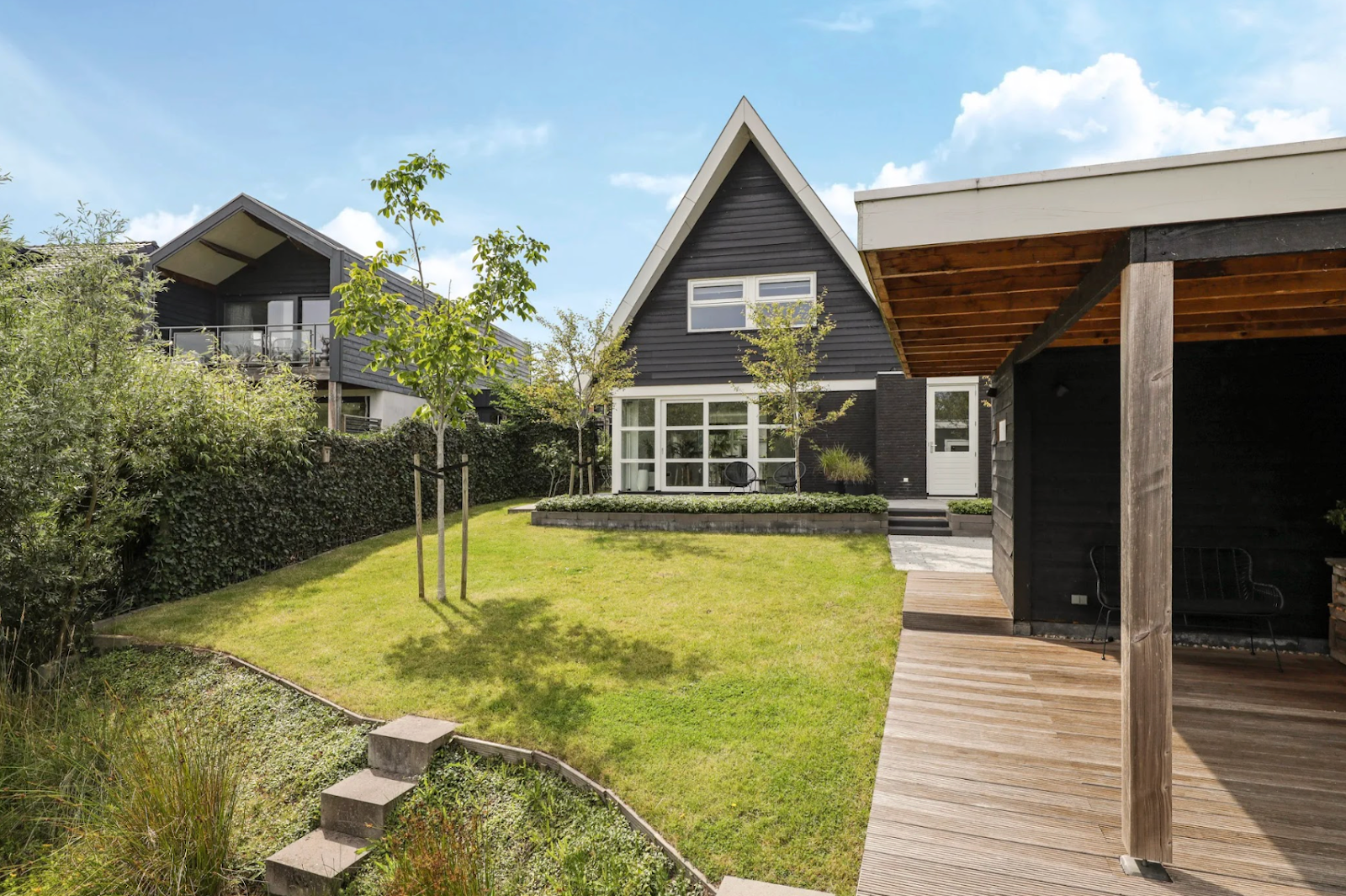
How do you choose the right wooden garden shed?
The choice of a particular model is closely related to the function. Those who primarily need storage think differently than someone who wants an isolated workplace in the garden. So start with the question: what are you going to use the garden house for?
When it comes to dimensions, consider not only current needs, but also future plans. A compact garden house is useful in a small urban garden, while a more spacious version is more suitable as a lounge or studio. Measure the available space carefully and see how the building will be in the field of view of home and neighbours.
Style also plays a major role. A sleek flat roof design fits well with a modern home, while a model with a saddle roof and attractive roof overhangs is better suited to a classic façade. Choose windows and doors that let in sufficient daylight and pay attention to the position of the entrance in relation to the sun and the walking routes in the garden.
One comprehensive list is sufficient here to structure material choices:
- Spruce wood: affordable, easy to work with and suitable for standard garden houses.
- Douglas: robust, weatherproof and ideal for heavy duty use.
- Oak: luxurious, highly durable and suitable for high-quality garden architecture.
If you want to know more about foundations, permits and finishes, you can further delve into this comprehensive guide from Bricknest:
👉 https://www.bricknest.nl/blog/tuinhuis-bouwen-vergunning-fundering-afwerking
Installation of a wooden garden house
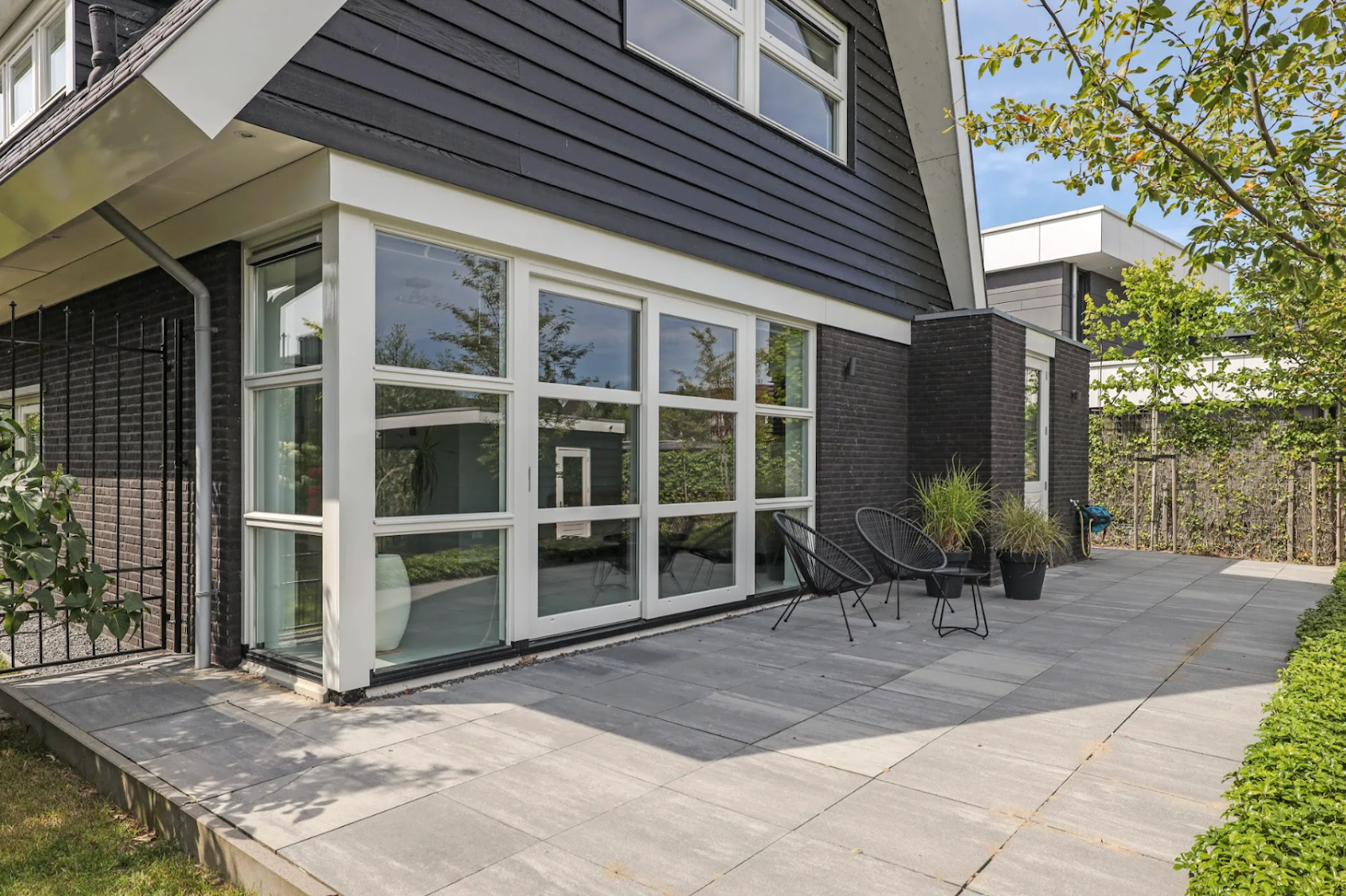
The installation of a wooden garden shed always starts with good preparation. A stable, flat surface is essential to prevent sagging and crooked walls. In the Netherlands, concrete tiles or a cast concrete slab are often chosen as a base, depending on the soil conditions and the weight of the garden shed. A combination of wooden rules and foundation posts can also be used on softer soils.
This is followed by the structure. Most garden houses are supplied as a prefab kit. The walls are installed and anchored one by one, so it is important to check regularly with a level. The roof is then given a waterproof finish, for example with EPDM or bitumen, so that the wooden garden house is resistant to rain and wind.
Ventilation is essential in the Dutch climate. Small grilles in the facades or a narrow air strip under the eaves prevent moisture from lingering in the wood. This way, a wooden garden shed stays in good condition longer and reduces the formation of mold.
Timber maintenance in the Dutch climate
A wooden garden shed requires regular maintenance, especially in a country with a lot of rain, wind and temperature changes. Without protection, the surface will age, crack or deform more quickly.
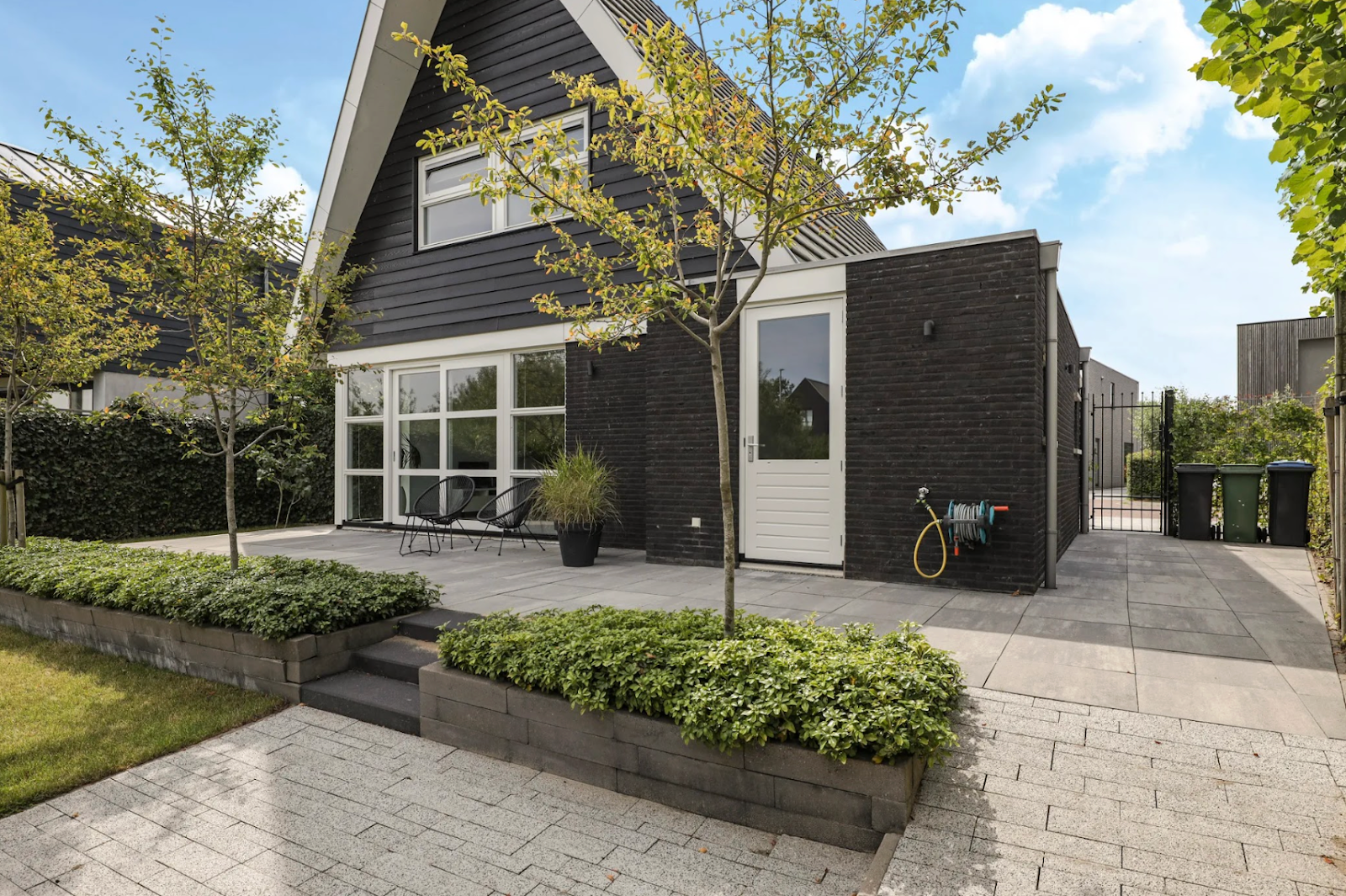
It is wise to treat new wood with a suitable stain or oil as soon as possible. This gives the garden shed wood a protective layer against UV radiation and moisture. After a few years, a new layer is required, depending on the position of the sun and the degree of exposure to weather influences.
Check the walls, corners and eaves at least once a year. If you see discoloration, soft spots or starting algae, address this immediately. The roof also deserves attention: remove leaves and dirt around the drainage so that water does not remain standing. Good maintenance significantly extends the life of a wooden garden house and prevents costly repairs.
Ideas for using a garden house
A wooden outbuilding in the garden is more versatile than many people think. It can be a practical storage room, but also a full-fledged extra space.
Here we use the second list in the text, focused on inspiration:
- Workplace or studio: ideal as a home office, studio or practice space, away from the hustle and bustle of the home.
- Storage space: a safe place for bicycles, gardening tools, seasonal items or garden furniture.
- Lounge or garden room: with comfortable furniture, lighting and possibly heating, a wooden garden house transforms into a cozy place to relax, even when the weather is not so nice.
Thanks to a smart layout and possibly insulation, one and the same wooden garden house can combine multiple functions, such as working during the day and lounging in the evening.
Conclusion
A wooden garden shed is much more than an extra shed in the back of the garden. It adds practical storage space, but also atmosphere, comfort and new uses: from the workplace to the relaxation area. By consciously choosing suitable dimensions, a suitable type of wood and a solid foundation, you can create a wooden garden house that not only looks beautiful, but also lasts for years and really suits your home.
Regular maintenance — such as timely pickling, checking for moisture spots and paying attention to ventilation — helps to protect your wooden garden shed against rain, wind and temperature changes in the Dutch climate. This way, the wood remains stable, maintains its appearance and prevents costly repairs in the long term.
With the right preparation and a well-thought-out plan, your garden shed project will become a future-proof investment that you can enjoy every day.
FAQ:
1. Do I always need a permit for a wooden garden shed?
Not always. It depends on height, location on the plot and dimensions. Therefore, always check the rules of your municipality or ask a professional for advice.
2. How long does a wooden garden shed last on average?
If properly maintained, a well-built garden house can easily last 15 to 25 years or more.
3. Which wood is best suited for a garden shed?
For a good balance between price and durability, spruce and Douglas are popular options. Oak is sometimes used for a luxurious look.
4. Can I insulate my garden shed later?
Yes, in many cases, insulation can be retrofitted to walls, roof and floor, especially if the garden house is used as a work or living area.
5. Is a foundation really necessary?
A stable base prevents sagging, jamming doors and crooked walls. A simple foundation is almost always recommended, especially with heavier models.

