
A leaking pipe can cause enormous damage in a short time: wet walls, mold, peeling stucco and damaged floors. Traditionally, pipe repair meant breaking open walls or concrete, but modern techniques make it possible to solve many problems without cutting or breaking. Nowadays, repairing a water pipe in concrete can often be done from within, making repairs faster, cleaner and much less invasive.
Below is a comprehensive guide to detection, recovery methods, materials, and costs—written for homeowners looking for a sustainable and reliable solution.
Why repairing a water pipe quickly is important
A minor leak can seep through unnoticed for weeks. Water travels through insulation material, runs along pipe shafts and sometimes even penetrates into the homes of neighbours. The risk is even greater when the pipe is concealed in concrete: the moisture remains trapped, which can cause mold, concrete rot and damage to the structure.
In addition, leaks in heating systems or hot water pipes cause energy loss and higher costs. Repairing a leaking heating pipe is therefore not only important for maintaining the home, but also for the comfort and safety of residents.
Many households only notice the damage when moisture spots, stale air or falling water pressure occur. Then quick action is essential, as each additional day increases the total damage and repair costs.
Repair without breaking (from inside)
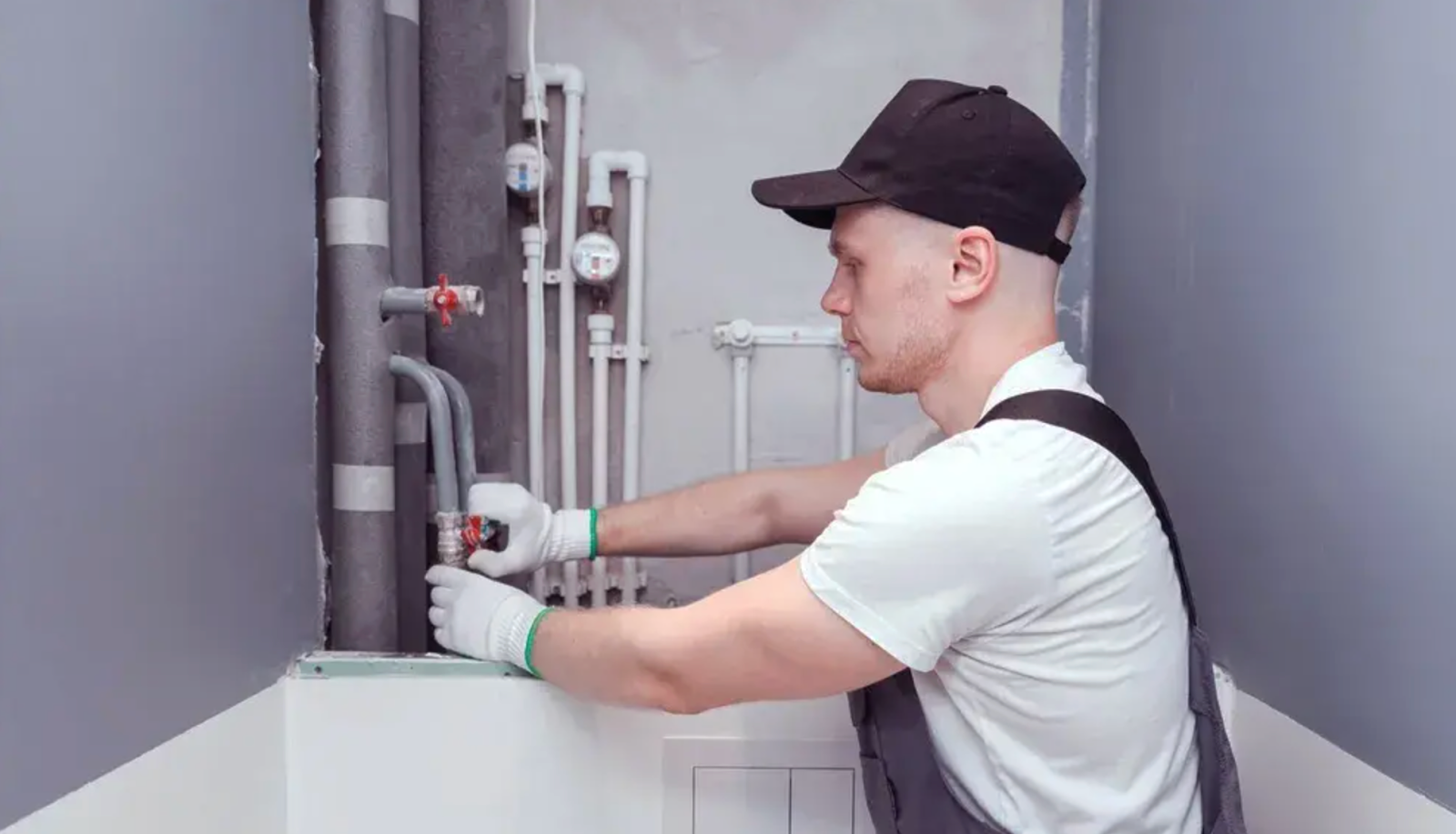
The biggest concern of homeowners is often the question: should the wall or floor be open? Thanks to modern technology, the answer is often no. Repairing a water pipe without breaking is done with special systems that are installed inside the existing pipeline. These methods are particularly suitable for pipes that are hidden behind tiles, in a concrete layer or under a floor.
There are two main techniques:
- Inner lining. Here, the inside of the pipe is cleaned and then provided with a durable coating. The old pipe will remain in place, but will have a new waterproof layer. The method works with many types of pipes, including PVC, copper and plastic.
- Plug-in technology (pipe-in-pipe). A new flexible pipe is pushed through the defective pipe. The old pipe then acts as a protective shell. This is ideal for longer pipe shafts or pipes in a concrete structure.
Both options prevent breakage, keep dust and dirt to a minimum, and leave the space intact—a benefit that is especially important in homes that have just been renovated or where pipes are difficult to access.
Emergency service & leakage
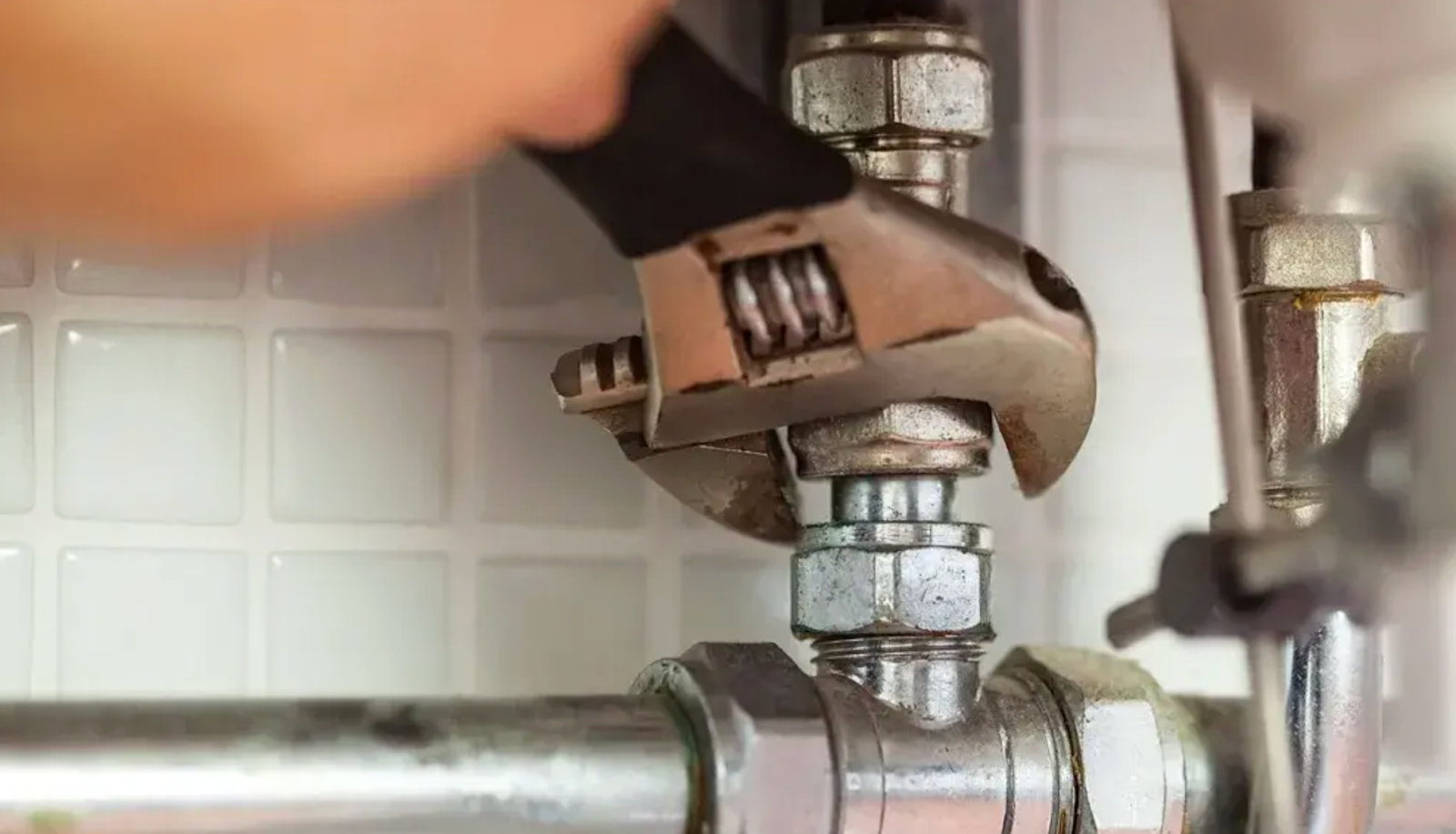
A leak that is rapidly increasing, a sudden drop in pressure, water that is audibly dripping into the wall or a wet ceiling: these are situations where emergency water pipe repair is needed immediately. Emergency technicians work with equipment that detects the exact location of the leak without damaging walls:
- acoustic detection,
- thermographic cameras,
- moisture measurements,
- endoscopy through small inspection holes.
Once the source has been found, a temporary seal or immediate repair follows. An accurate diagnosis is especially important when repairing a water pipe in concrete, otherwise the damage can recur again. Emergency teams work according to fixed protocols to limit further water damage, for example by taking pressure off the pipeline, closing water circuits and quickly creating a safe working environment.
Materials: copper, pvc, plastic, heating
Pipes vary greatly in durability, susceptibility to corrosion, and repair methods. That is why the repair technique is always tailored to the material:
Copper
Copper pipes are sturdy, but can suffer from pitting corrosion after many years—small holes that gradually widen. For these cases, interior lining is ideal, as the structure of the pipe is preserved.
PVC
Repairing a PVC water pipe is usually easier than metal pipes. PVC is light and flexible, but can tear due to age or incorrect installation. Plug-in pipes are often a good solution, especially for pipes in walls and floors.
Plastic (PE, PEX)
Plastic pipes are popular because of their flexibility and longevity. Cracks usually occur due to extreme pressure or installation errors. Local links or pipe-in-pipe repairs work well here.
Heating pipes
Repairing a leaking heating pipe requires extra attention. Due to heat and pressure, small openings can quickly expand, which affects both heating efficiency and energy consumption. Many heating pipes are under the floor, so break-free repair is of great value.
Cost indication
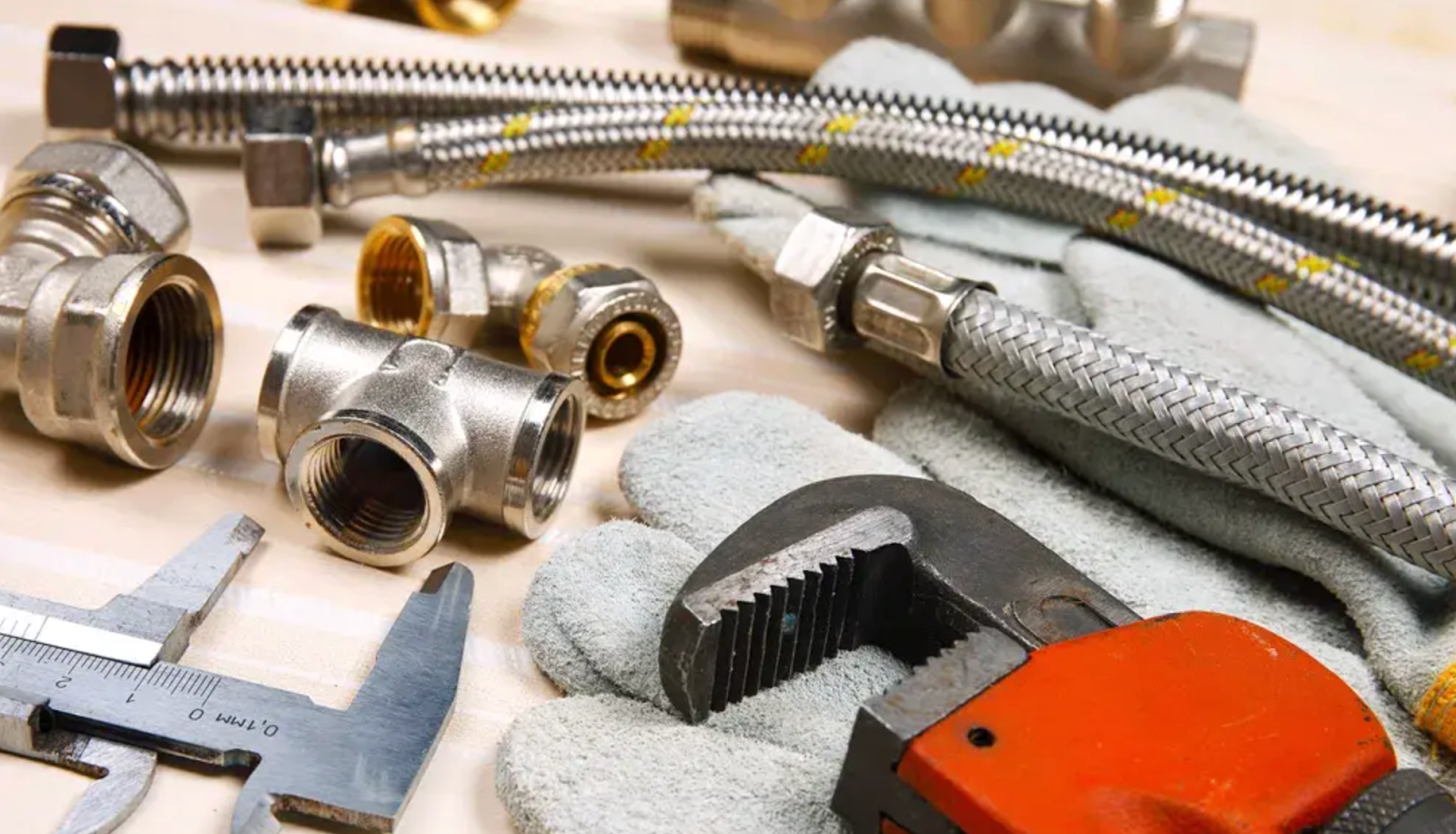
The total costs depend heavily on the location of the leak, the type of pipe and the chosen technique. A small internal repair can be relatively affordable, while repairing longer routes or heating systems requires more work.
Factors that influence the price:
- type of material (copper, PVC, plastic),
- accessibility of the pipeline,
- need for emergency service,
- length of the route to be restored,
- equipment required for detection.
Homeowners should consider the added value of break-free repair: although the technique sometimes seems more expensive than traditional breaking and rebuilding, there is no damage to walls, floors or tiles. As a result, the total costs are usually lower, especially in bathrooms or recently renovated spaces.
Benefits of a professional approach
Piping requires knowledge of construction, moisture control, water pressure and material properties. That is why professional repair offers clear advantages:
- faster diagnosis thanks to advanced equipment,
- sustainable recovery that extends the entire life of the system,
- no unnecessary damage to walls and floors,
- warranty on work, which gives homeowners security,
- safety: an incorrectly repaired pipe may leak or even crack again.
In addition, engineers always check whether there are underlying causes, such as overpressure, corrosion, faulty connections or movement in the structure. This not only solves the leak, but also prevents recurrence.
Like in other construction projects, do you want to learn more about foundations, permits and finishing structures? Then this additional article by Bricknest is interesting and relevant for homes with pipes in walls and concrete:
👉 https://www.bricknest.nl/blog/tuinhuis-bouwen-vergunning-fundering-afwerking
FAQ
1. Can any leakage be repaired without breaking?
Not always, but in more than 70% of cases, yes. Only when the pipeline has completely collapsed or severely deformed is demolition work sometimes unavoidable.
2. How do I know that my pipe is leaking into concrete?
Symptoms include moisture spots, warmer or colder areas in the floor, low water pressure, or a continuously running water meter.
3. Is the interior lining as strong as a new pipe?
Yes, modern coatings are often even more resistant to corrosion than copper or metal.
4. What if the leak is in the heating line?
Then the circuit is closed securely first. After that, an internal repair or replacement can often be carried out using slide-in technology.
5. How long does a standard repair take?
Much repair work is completed within one day, depending on the length of the pipeline and the technique used.

