
Cracks in walls make many homeowners feel insecure. Sometimes it seems to be a minor cosmetic problem, but there is often more to it: movement in the construction, sagging, moisture or aged stucco. If you take repairing a crack in the wall seriously, minor damage will prevent minor damage from becoming a structural problem that affects the safety, home comfort and even the value of the home.
Why tackle cracks immediately
A crack rarely occurs “just like that”. There has usually been tension in the structure for a long time. In winter, the situation often worsens: materials shrink due to the cold, rain penetrates more easily and walls dry slower. This gives moisture the chance to spread through masonry, insulation and wooden parts. The longer you wait, the bigger the procedure will be later.
Many residents only notice damage when a visible discoloration, a musty smell, or a distinct crack appears along the ceiling or corners of a window. By that time, water has often already found its way through seams, joints and small openings. For that reason, it is wise to list typical risks:
- loss of load-bearing capacity in load-bearing walls and lintels,
- deterioration of insulation and increased energy loss,
- mold, wood rot and damage to interior finishes,
- risk of peeling stucco or brick, especially on the outside.
If you take these signals seriously, you will have the situation assessed in time. Because cracks are sometimes related to foundation problems, basic knowledge about load-bearing capacity and subsoil is useful. Bricknest pays extensive attention to this in a separate blog about permits, foundations and finishing small buildings in the garden:
👉 https://www.bricknest.nl/blog/tuinhuis-bouwen-vergunning-fundering-afwerking
Exterior walls vs interior walls
A crack on the outside of the house behaves differently than damage to an interior wall. Outside, masonry is continuously stressed by rain, sun, wind and temperature differences. When an opening in the façade surface, moisture penetrates directly. That water can freeze, expand and further break open the crack in the winter. That is why repairing a crack in the exterior wall is often urgent: this prevents both the façade and the inside from being affected.
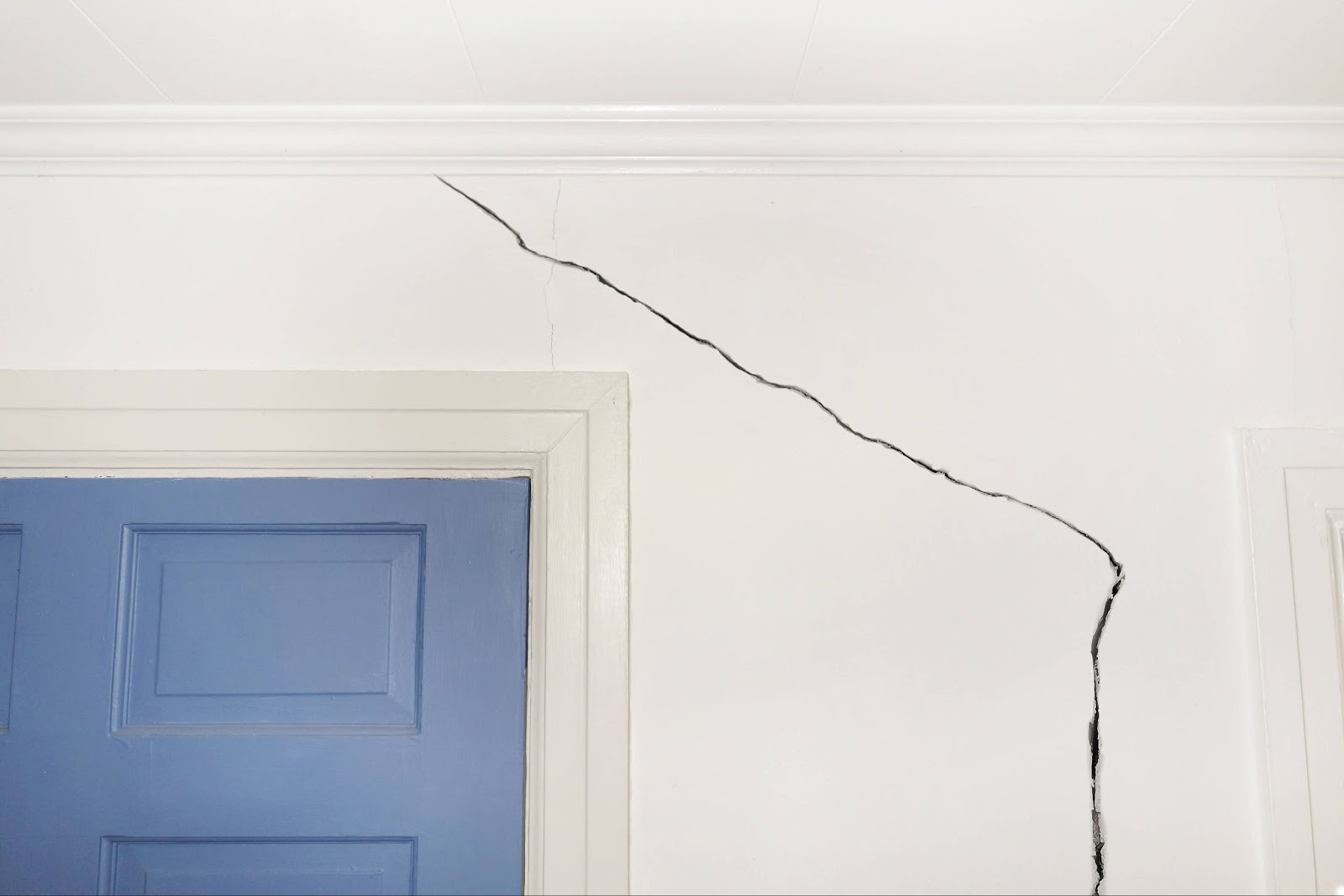
Interior walls seem less vulnerable, but they can provide important signals. Vertically running cracks along door or window openings, or diagonal lines from corners, may indicate slight sagging, floor functioning or problems in the supporting structure. In other cases, this involves stress in drywall or stucco due to dry air, rapid renovations or blows during drilling and chopping. In all situations, the pattern, width and location of the crack provide indications about the cause.
So the difference between inside and outside is not just aesthetic. Moisture protection is crucial on the façade, while interior walls also look at sound transmission, separation between spaces and possibly the presence of pipes and cables.
Cracks in various materials
Not every material responds to pressure, moisture and movement in the same way. The chosen recovery method must always match the structure of the wall. Repairing a crack in stucco requires steps other than repairing a damaged brick façade or a cracked concrete wall.
Joints play a major role in brick and masonry. When they weaken, the masonry surface can lose its coherence. Then injecting resin, renewing joints or using bricks may be necessary. Concrete walls often show shrinkage cracks or cracks around openings and heavy points. Reinforcement is an important point of attention there, because rusting steel bars accelerate crack development.
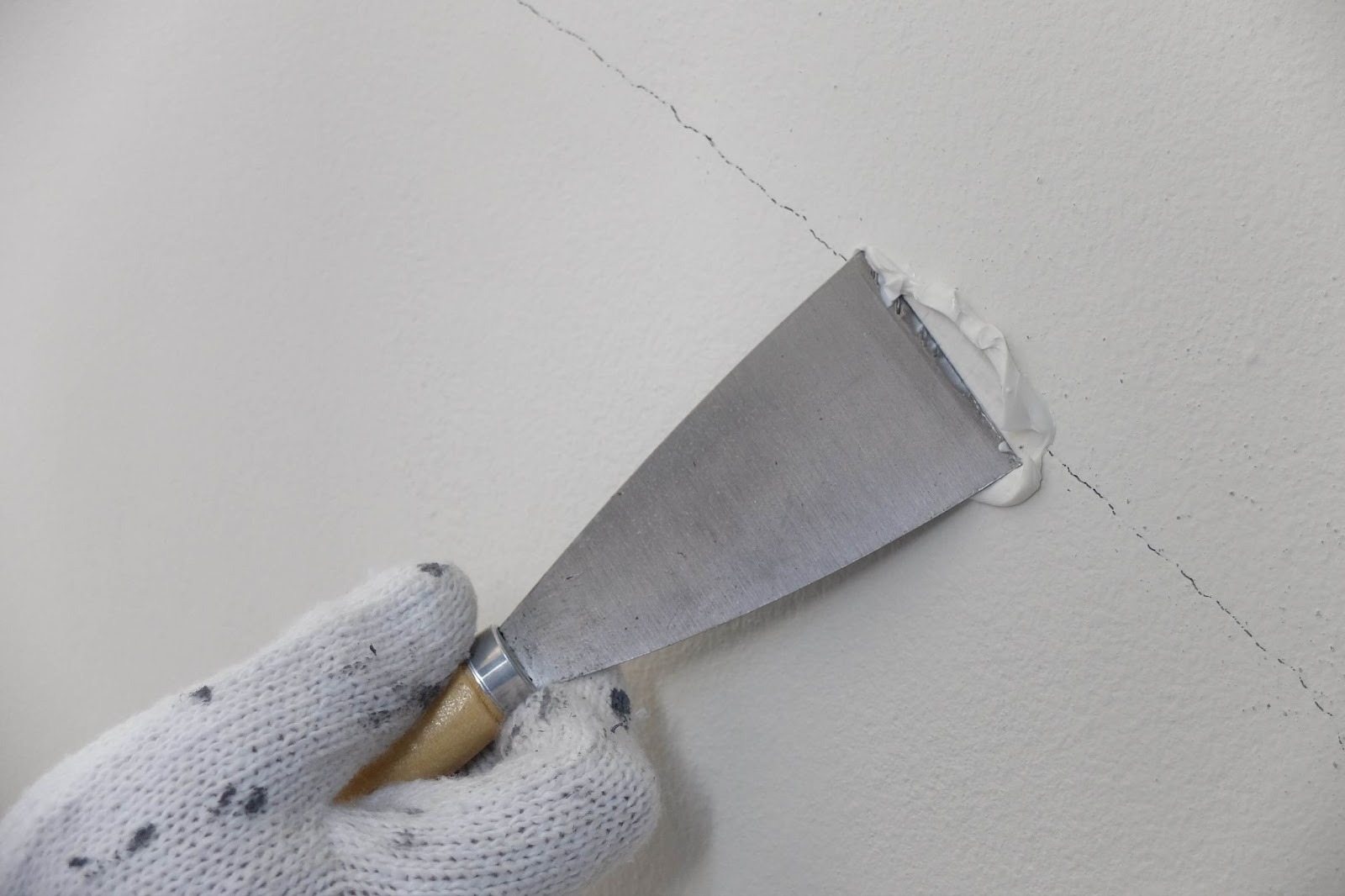
Interior walls made of gypsum or plastered stone are more sensitive to minor stresses and temperature changes. Many “hair” cracks are superficial, but larger lines can extend into the underground. Before a specialist can repair a crack in stucco, it is checked that the underlying wall is stable and that no more movement occurs. Only then fill, reinforce with gauze and finish again.
Because a combination of materials is often present in practice, repair is usually preceded by a thorough inspection of the entire structure: frames, corners, foundations, roof crossings and any extensions.
Emergency repairs (including leaks and pipes)
Some situations can't wait. In the event of acute damage, immediate action is needed to prevent further problems. Think of suddenly widening cracks, façade parts sliding out or water entering through the wall. In such cases, an emergency team is called in to first stabilize the situation and then draw up a plan for sustainable recovery.
In the event of leaks behind the wall surface, accurate localization is important. By means of thermographic cameras, moisture measurements or acoustic detection, it can be determined where a pipe, drain or roof detail fails. Based on this information, a targeted repair can be carried out without unnecessary demolition. This way, damage to the finish is limited and costs can be better controlled.

Cost indication
The cost of repairing a crack in the wall varies greatly from situation to situation. The length of the crack, the depth, the type of material and whether structural causes are involved together determine the total investment. A small cosmetic crack in plaster can often be updated relatively quickly, while a large-scale approach to a sagging façade is considerably more expensive.
For residents, it is useful to think in global categories:
- limited cosmetic damage: mainly stucco repair and painting,
- medium duty repairs: masonry repair, injection and local reinforcement,
- constructive interventions: foundation adjustment, anchoring and extensive façade repair.
Exact amounts can only be given after inspection. However, early intervention often keeps costs within the lowest category. The longer you wait, the greater the chance of interventions that affect the entire structure of the wall and foundation. That is why many homeowners nowadays first ask for a report that clearly explains the cause, the severity and the expected price range.
Why choose professionals
Covering cracks with some filler seems tempting, but rarely solves the real problem. A professional company not only looks at the visible damage, but also investigates why the wall started working. It looks at crack shapes, measurement differences in floors, moisture percentages and the history of renovations in the building. This creates a complete picture.
Professionals use materials that are tailored to existing masonry, concrete or stucco. They take into account vapour permeability, thermal effect and future maintenance needs. In addition, the repair is often provided with a warranty, so that the owner has certainty about the quality of the solution.
An additional advantage is that an expertly repaired wall also scores better when sold or valued. Buyers and advisors feel more comfortable when they can see that cracks have not only been addressed optically, but also technically. In this way, sustainable recovery contributes to both safety and market value.
FAQ
1. Is every crack dangerous?
Not always, but cracks that widen or run diagonally can indicate foundation problems.
2. How do I know if a crack is due to sagging?
Specialists measure height differences and analyse the crack pattern. This cannot be reliably determined with the naked eye.
3. Can I repair a crack in stucco myself?
Small superficial cracks, but first you need to make sure that the surface does not move.
4. How quickly should I repair an exterior wall crack?
As soon as possible, especially before winter. Moisture and frost significantly increase damage.
5. Does every crack affect home value?
Serious cracks, though. Buyers and appraisers pay close attention to this.

