
Painting walls is often regarded as the last step in a renovation process, but from a technical point of view, it is one of the most critical phases for the construction. A wall that has been properly treated not only provides a calm visual element in the home, but also acts as a protective shell against daily wear, moisture and pollution. At Bricknest, we see a wall not as a flat surface, but as a dynamic part of the home that is subject to temperature differences and mechanical stress. Achieving a surface without imperfections therefore requires a deep understanding of material properties and application methods.
Interior walls
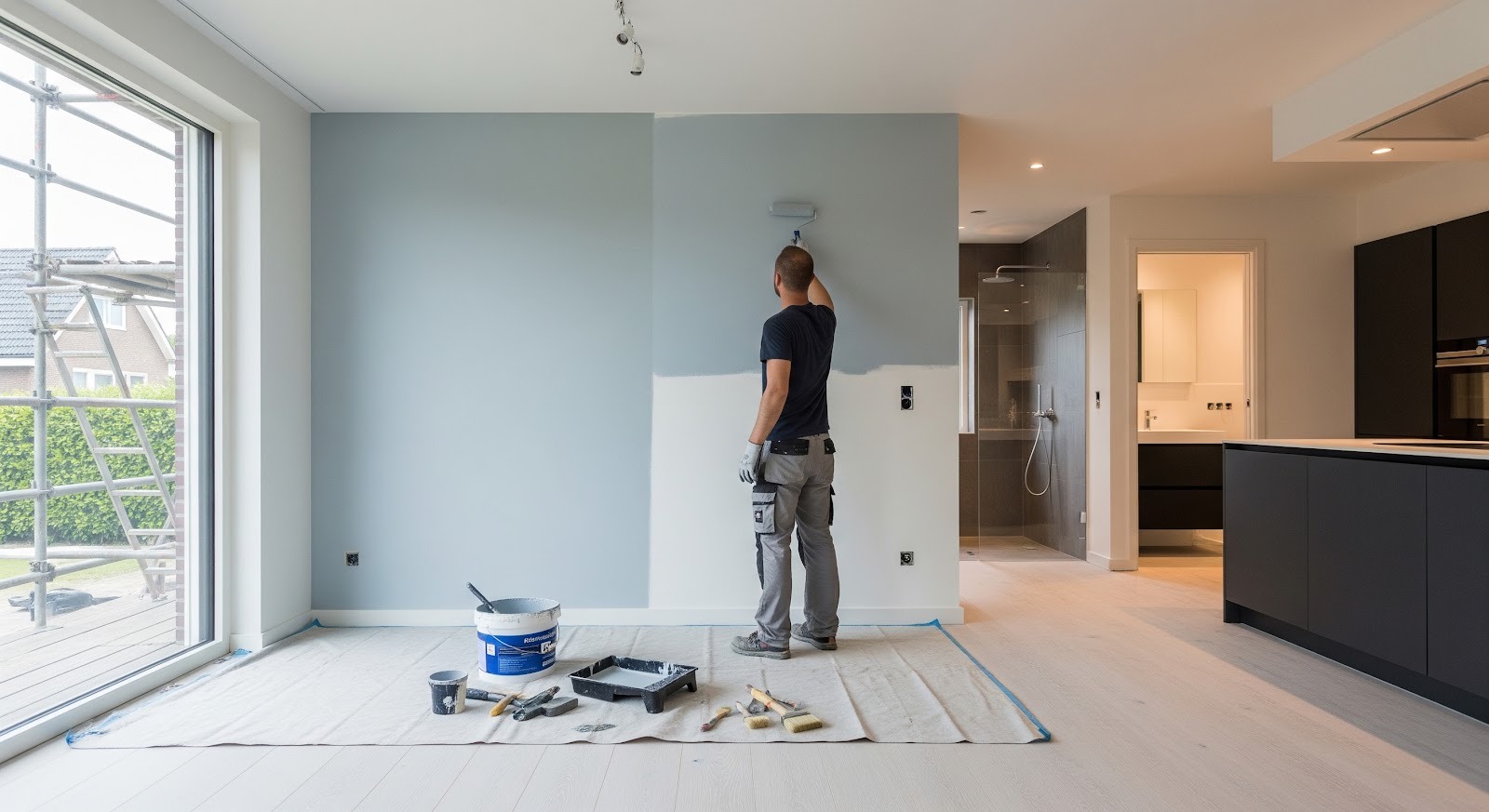
Painting interior walls is a process that focuses on the balance between aesthetics and hygiene. In modern Dutch housing, walls are used intensively and are stressed by touch, furniture and varying humidity in rooms such as kitchens and bathrooms. A professional approach ensures that the walls not only look beautiful, but are also easy to maintain without losing their color strength.
Substrate pre-treatment
Eighty percent of the quality of the end result is determined by what happens under the paint layer. Before you start painting a wall, the surface must be technically sound; this means that it must be dry, grease-free and resilient. Any hair cracks or holes in plugs must be repaired with a shrink-free filler that, when dried, has the same texture as the rest of the wall. At Bricknest, we strictly control the suction of the wall; highly absorbent surfaces are always treated with a high-quality primer or primer first to prevent the paint from drying unevenly, which makes lanes and stains visible in ironing light.
Modern paint systems and coatings
In the current market, developments in the field of wall paint have developed rapidly, with the focus on “smart coatings”. Today, we use class 1 scrubbing resistant paints (according to EN 13300), which are chemically formulated to prevent dirt from adhering to the surface. For specific areas within the home, we select coatings with additional functions:
- Matt paints with 'anti-reflex' technology for walls that catch a lot of direct sunlight.
- Mold-resistant coatings for wet areas that ensure long-term hygiene.
- Air cleaning paints that lower the concentration of volatile organic compounds in the indoor climate.
- Insulating primers that prevent old nicotine stains or water damage from spreading into the new layer.
After selecting the right system, the paint is applied in several thin, even layers to ensure maximum color depth and protection.
Exterior walls
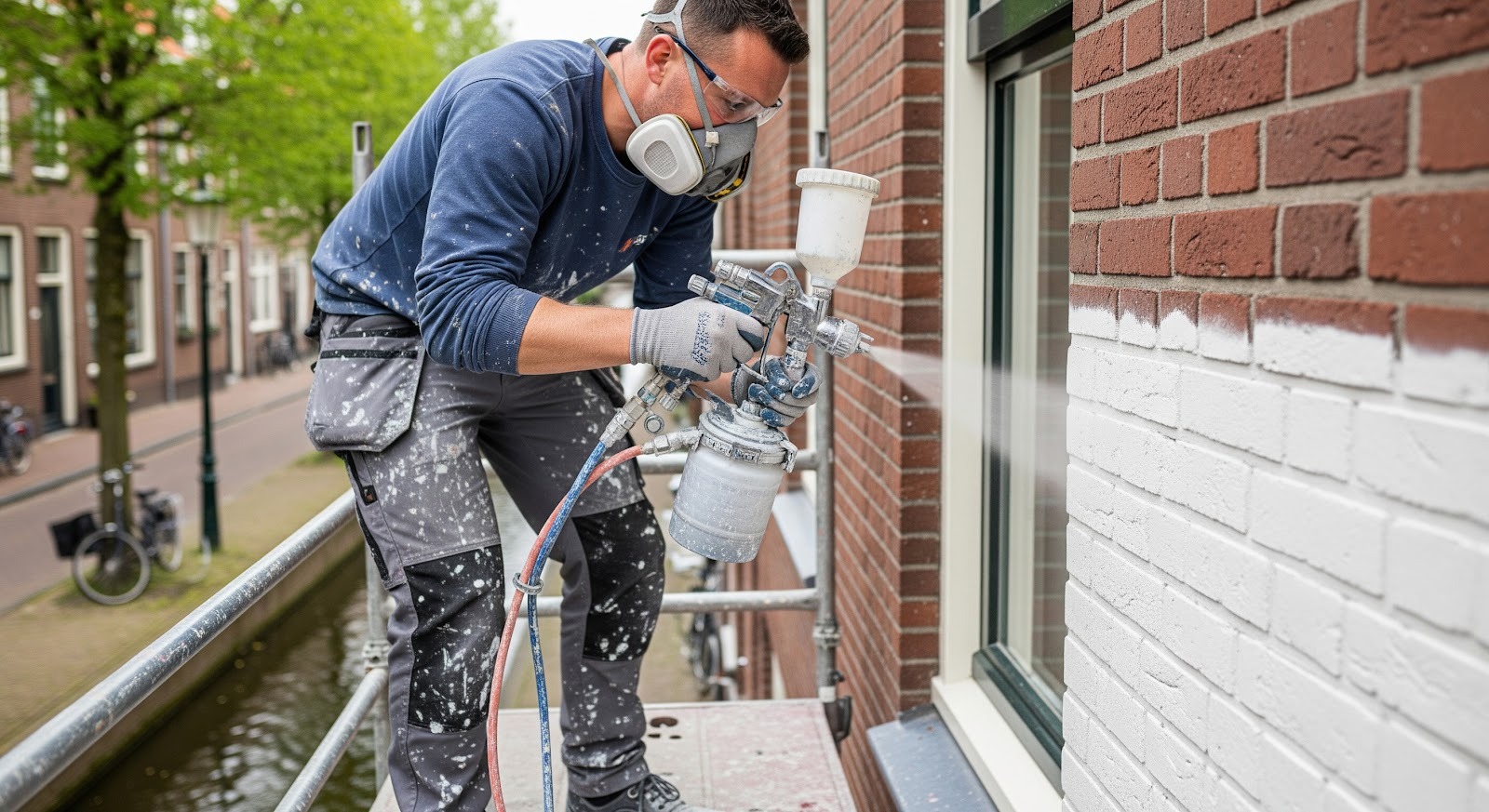
In a facade renovation, paintwork is the primary line of defense against the elements. In the Netherlands, exterior walls face a unique combination of driving rain, frost and occasional heat, which puts enormous pressure on the elasticity of the materials used.
Protection of the facade against moisture
The main goal of painting the exterior wall is to create a barrier that keeps liquid water out but allows water vapor to escape from the structure. When a façade is' stifled 'due to the wrong choice of paint, moisture can accumulate behind the paint film, leading to blistering and ultimately damage to the masonry or stucco. At Bricknest, we often recommend silicone resin paint or mineral paints for the exterior, because they combine excellent vapour permeability with high water repellency (the so-called pearl effect), so that the façade stays dry and clean longer.
Durability of color and structure
When painting the exterior wall, resistance to UV radiation is the determining factor for how long the home will look like new. Cheap pigments break down quickly under the influence of the sun, causing dark colors to fade and light colors turning yellow. By using inorganic pigments, the color strength is maintained even after years of exposure on the south side of the home. In addition, good exterior paint ensures that the structure of the stone or plaster is accentuated, while small shrinkage cracks caused by temperature changes are bridged by the elastic film of the paint.
Plastered and smooth surfaces
Smooth stucco is currently the standard in modern interior design, but it presents the painter with major challenges. Every small unevenness or grain is highly visible by ironing light, so the application technique is crucial.
Working with different wall finishes
Painting a stucco wall requires a different approach than painting a brick wall or a wall with fiberglass wallpaper. Fresh stucco is alkaline and has an enormous suction power, so the paint can dry too quickly if precautions are not taken. The Bricknest experts first assess the dryness of the stucco with a moisture meter; painting too early on a wall that is still damp leads to detachment and mold in the long term.
Tips for a sleek paint application
For a result without a roller structure or “orange effect”, the choice of the roller and the dilution of the paint are essential. We often work with microfiber rollers that deliver the paint very evenly, using the wet-on-wet technique to prevent build-up. In some cases, especially for large continuous surfaces, we opt for airless painting. This ensures a perfect, homogeneous layer that surpasses manual painting in tightness, provided that the masking work has been carried out with extreme precision.
Choice of tools and materials
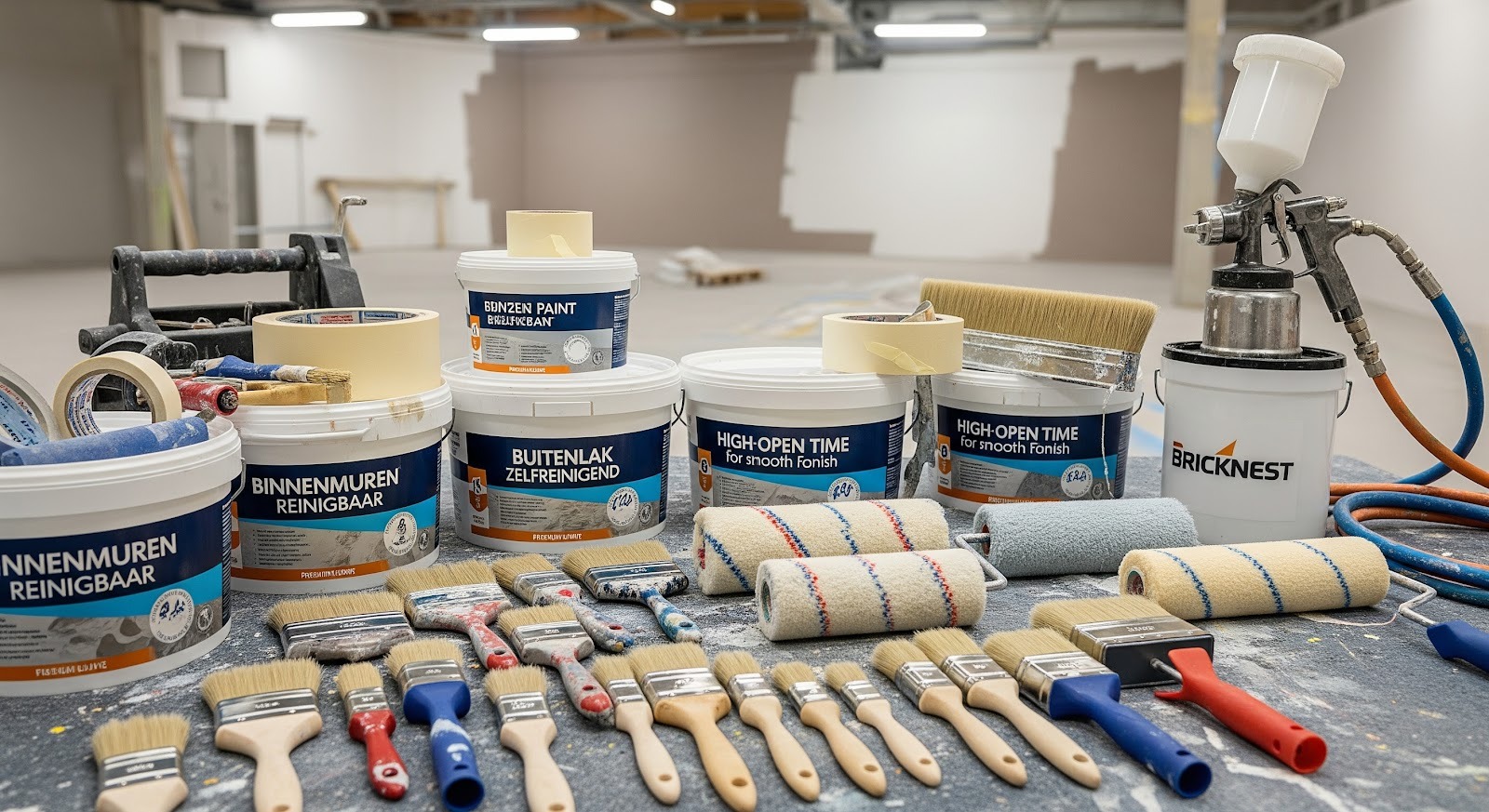
Professional tools are not just a tool, but a prerequisite for technical mastery. The interaction between the fibers of a brush and the viscosity of the paint determines how well the layer flows and how strong the final film becomes.
Brushes, rollers and paint spray systems
The choice between a roller and a paint sprayer depends on the scope of the project and the desired level of finish. For corners and edges (cutting), we use brushes with synthetic fibers that retain their shape and guarantee a sharp line. At Bricknest, we often use professional spray systems for large spaces.
The benefits of this technical approach are considerable:
- Completely smooth coverage without mechanical pressure on the surface.
- Reaching difficult areas such as behind radiators or in deep recesses.
- A higher layer thickness in one pass, which improves durability.
- Minimal structure formation, which is especially desirable for smooth plastering.
After the application, the tools are cleaned according to strict environmental protocols, minimizing the impact on the environment.
The best types of paint for a long life
Durability in painting means that the paint must withstand the test of time. We select products that have a high 'open time', so that the painter has time to distribute the paint properly before it starts to dry. For interior walls, cleanable paints that do not shine after polishing are the gold standard. For outdoors, we look at the self-cleaning properties of the paint, so that dust and organic contamination wash off the wall at the first rain shower.
Common mistakes and how to prevent them
Even with the best paint, the end result can be disappointing if the basic technical rules are ignored. Preventing errors starts with a keen eye for detail at every stage of the process.
Sacks, stripes and uncovered areas
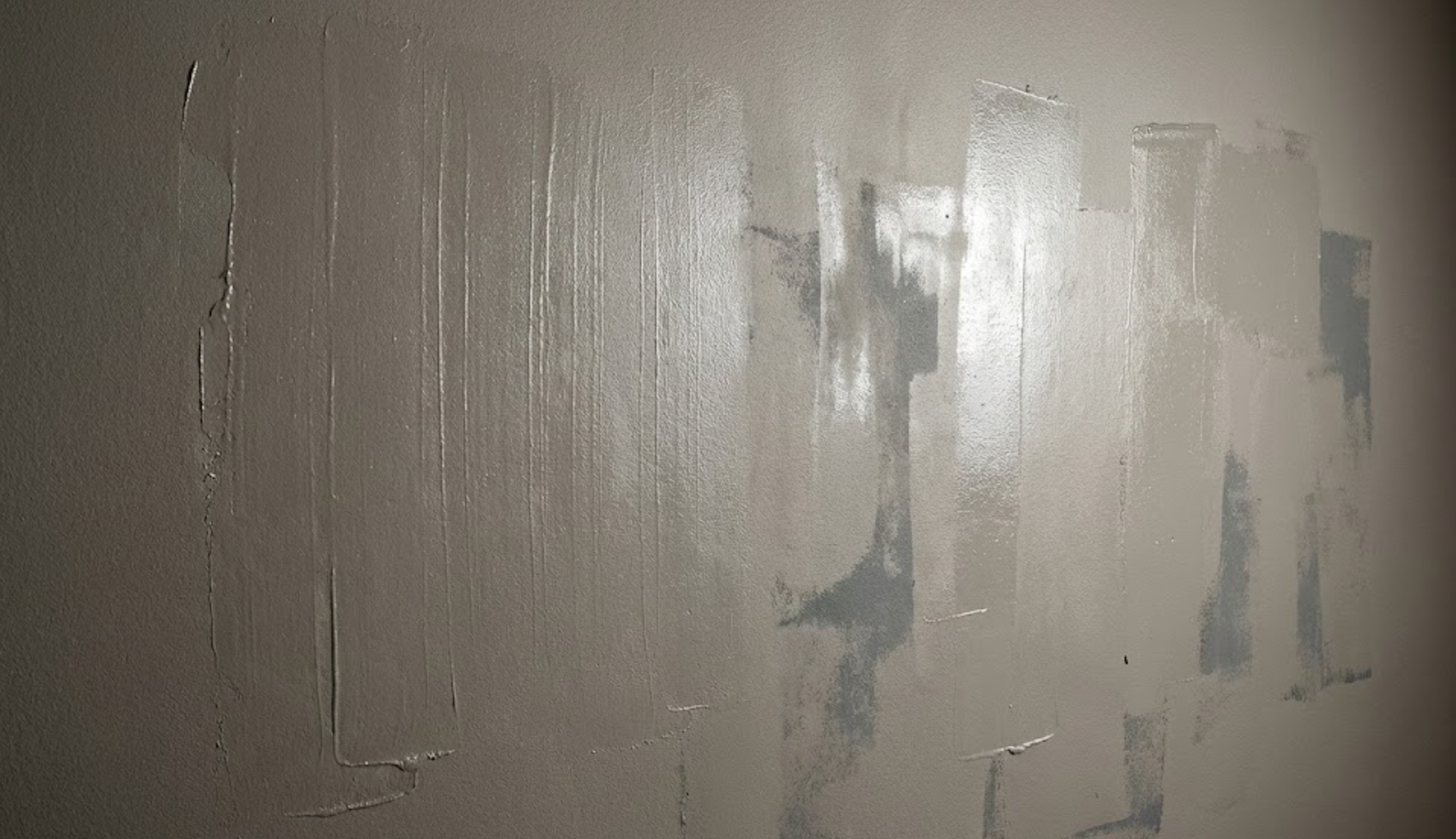
Streaks often occur because too little paint is used or because people work too slowly in a warm room, so that the paint dries before the next coat is applied. “Pockets”, on the other hand, are the result of an application that is too thick in one place. Our project managers continuously monitor coverage during execution, especially for critical colors such as deep red or anthracite, which often require three layers for an even result. By maintaining the correct overlap and keeping the rolling direction constant, we eliminate visual unrest on the wall.
Improper layer thickness: too thick or too thin
A layer that is too thin does not provide sufficient protection and will wear out the first time you clean it. However, a layer that is too thick may crack or wrinkle during the drying process. The technically optimal application of the paint means that the recommended amount of liters per square meter, as prescribed by the manufacturer, is carefully followed. This ensures that the paint film develops the right mechanical strength to protect the wall for years.
Maintenance of painted walls
When the paintwork has been completed, the conservation phase begins. Although modern paints are very robust, proper maintenance significantly extends the time between two major paints.
Clean without damaging the paint layer
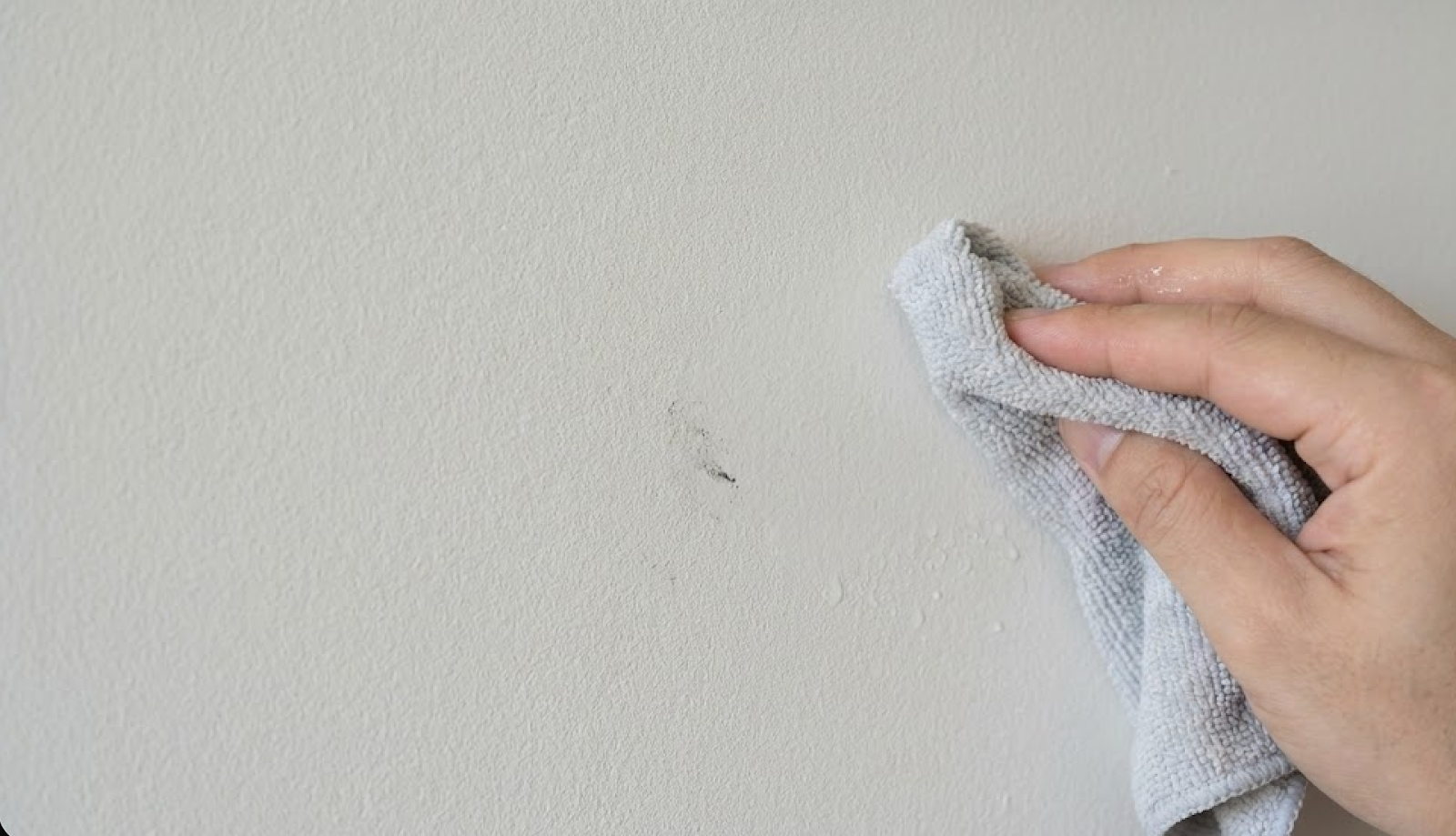
It is a misconception that any wall paint can be cleaned with aggressive agents. We recommend removing stains as quickly as possible with lukewarm water and a soft microfiber cloth. Avoid scouring sponges or abrasive cleaners, as they can permanently damage the surface structure of the paint, causing shiny spots that remain visible in the ironing light. For walls in high-stress areas such as corridors, we recommend applying a transparent protective layer (wall varnish) over the color layer.
When is a new paint job necessary?
The need for a new paint job is determined not only by aesthetics, but also by the technical condition of the paint film.
Some indicators include:
- The appearance of small cracks or the detachment of the paint in corners.
- Permanent discoloration caused by UV light that cannot be cleaned.
- Scratches on walking routes where the paint has become dull.
- In the case of external walls: the granular structure of the stone becoming visible due to erosion of the paint layer.
By opting for repair via Bricknest on time, you prevent the surface from being affected and keep your home in top condition, with an appearance that underlines the quality of the construction.

