
Do you want to freshen up your interior or protect the exterior of your home from wind and weather? Then dyeing is one of the simplest and most effective ways to do that. Whether you're painting a ceiling, painting the stairs or painting the exterior wall, a well-chosen paint and thorough preparation make the difference between a temporary result and years of fun. In this article, you'll discover everything about prices, techniques and smart tips for both indoors and outdoors.
What does painting cost per m²?
The cost of painting per m² depends on the condition of the surface, the type of paint used and the difficulty of the work. Professional painting is usually calculated on the basis of the painting per m², so that you get a clear idea of the investment beforehand.
On average, you pay:
- Interior painting: €25 — €40 per m²
- Outdoor painting: €35 — €50 per m²
- Painting a dormer window costs: €300 — €800, depending on size and height
- Painting frames costs: €200 — €500 per frame
Tip: Always check the cost of painting per m² with different painters and request multiple quotes. This way, you know exactly what it costs to paint a house and you can easily save on materials or working hours.
Interior painting — walls, ceilings and doors
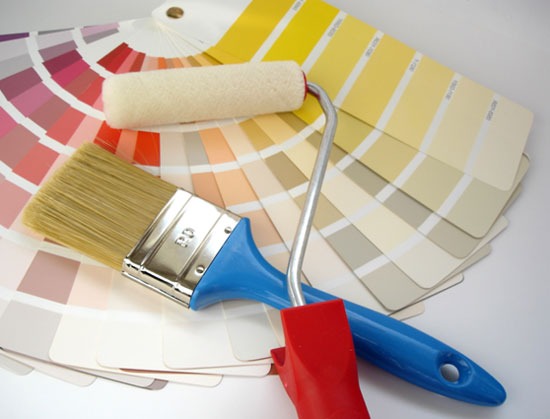
Indoor painting forms the basis for a fresh, well-kept look of your interior. Whether it's walls, ceilings or doors, with the right type of paint and technique, you can create a sustainable result that lasts for years. Good preparation and finish also ensure a professional look — even when you get to work yourself.
Wall painting without streaks
You can achieve a smooth result by painting the wall with a quality roller and always working wet-on-wet. Use high-quality paint to ensure streak-free dyeing. For large surfaces, such as painting living rooms, a long handle is useful to work evenly.
Ceiling painting
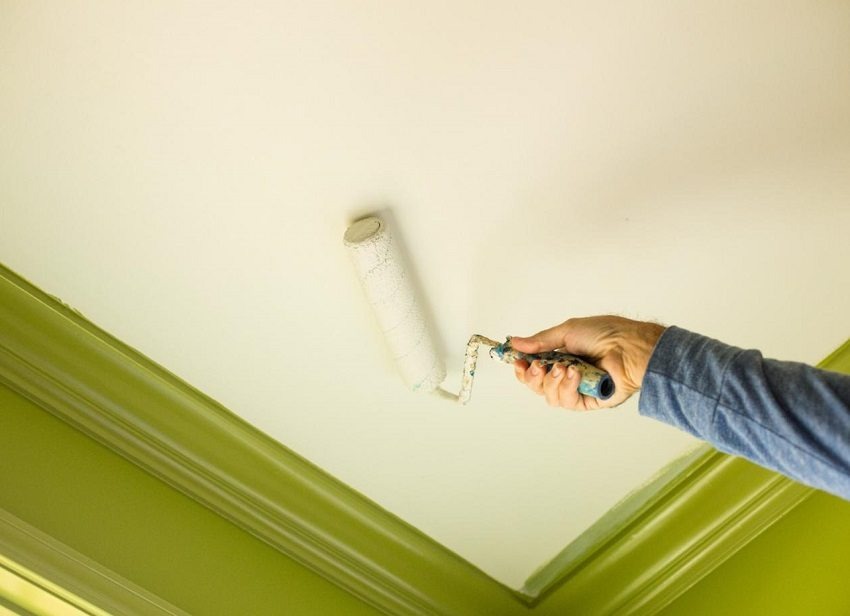
When painting the ceiling, patience is essential. Start in the middle and work your way out in straight lines. Use light tones that reflect light — perfect for a spatial effect. If you work quickly, you can try painting without masking with a precise brush and rolling technique.
Living room and kitchen painting
Colours influence the atmosphere. For painting the living room, choose warm tones, while in the dyeing kitchen you use more washable paint that is resistant to grease and moisture. A soft gloss finish makes cleaning easier.
Paint window frames and interior doors
Painting interior frames requires preparation: degreasing, lightly sanding and then painting without sanding with a suitable primer. For a sustainable result, use water-based enamel paint. Even when painting interior doors, several thin layers provide a sleek effect.
Outdoor painting — façade, garage door and window frames
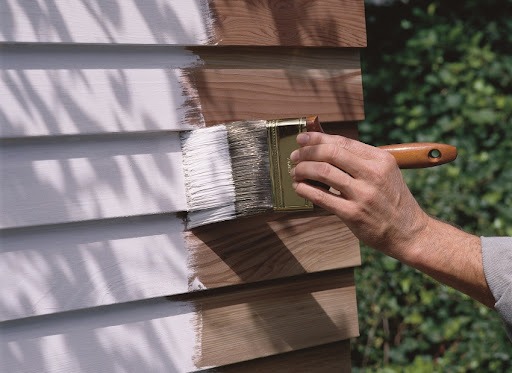
A well-executed exterior wall painting protects the facade from rain, sun and pollution. Use vapor-proof wall paint that repels moisture but allows it to breathe. In addition, don't forget to paint the garage door for a uniform view. Those who have plastic can safely paint window frames with a primer that adheres to smooth surfaces.
For larger areas, such as a white painting house, it pays to hire professional painters who work with pressure washing and scaffolding. This way, the color stays beautiful for a long time, even in the rainy months.
Creative painting and special surfaces
Not every surface requires standard paint. Think of innovative applications:
- Painting laminate or floor tiles with wear-resistant 2K paint gives old floors a second life.
- Painting drywall or painting stucco requires a primer first for uniform coverage.
- Painting over wallpaper is possible, provided that the wallpaper is firmly attached and does not come off when rolled.
- For those who like to experiment, ecoline dyeing is ideal for creative accents or art projects.
- Painting joints in the bathroom or kitchen can also visually refresh the space without major renovation.
Even painting chipboard can be successful with the right primer and light sanding layers.
In damp areas, painting the bathroom with antifungal paint is a wise choice. This ensures hygiene and a fresh look.
Combining painting with wallpapering
The combination of painting and wallpapering is gaining popularity among interior designers. You can use wallpaper and paint to create contrast: for example, paint the top of the wall and provide the bottom with a subtle pattern. Accents around door paints or moldings enhance the spatial effect. This technique is often used in dyeing living room or hall design.
Painting by region — Amsterdam and surroundings
Those who live in the capital will notice that painting Amsterdam is often slightly more expensive due to parking costs and higher VAT rates. Nevertheless, it pays to compare local specialists — they know the city's humid air and façade types better. A local professional also knows exactly how to best approach a painted stucco wall or painting chipboard in old Amsterdam buildings.
For larger renovations, it can be smart to plan paint, ceiling and walls at the same time. Combine it with paint, stairs or skirting boards for a uniform look. For a paint wall, always use two layers for optimal coverage and durability. Furthermore, consider the right gloss level: matt for rest, satin gloss for ease of care.
Those who work with limited time can use a spraying technique — ideal for paint per m² calculations where speed pays off. And don't forget to primer wood surfaces first; this way the paint adheres better and you prevent discoloration.
Conclusion
Whether you work yourself or hire a painter, with good preparation and quality paint, you will achieve a sustainable result. Painting tiles, frames or walls requires attention to detail, but provides an immediately visible difference in atmosphere and appearance. By properly calculating the cost of painting a house and comparing different options, you will always find the perfect balance between price and quality — both inside and out.

