
A damaged foundation is one of the most vulnerable situations for a home. Sagging, cracks or instability often develop slowly, but the consequences can be drastic. Timely foundation repair prevents minor anomalies from turning into structural problems that affect the safety, value and habitability of the home. In this article, you can find out why quick action is necessary, what recovery methods are used and how a professional diagnosis works.
Why repairing a foundation quickly is important
A foundation is the load-bearing element of every building. As soon as this part of the structure becomes weakened, symptoms such as cracks in walls, jamming doors, sagging floors and moisture problems in the crawl space occur. These signs are often underestimated, even though they point to a deeper problem that won't go away on its own.
In the Netherlands, factors such as weak peatlands, varying groundwater levels and older pile structures play a major role. When the surface becomes less load-bearing, the home reacts visibly. A quick foundation repair is essential because each week of delay can cause additional damage. The longer a subsidence continues, the higher the chance that recovery will become more complex and costly.
In addition, foundation damage affects the quality of life. Cold floors, damp areas and crooked windows immediately reduce home comfort. The value of the home also decreases as soon as an architectural inspection confirms the foundation problems. Timely professionalizing the recovery process is therefore crucial to ensure peace, safety and stability.
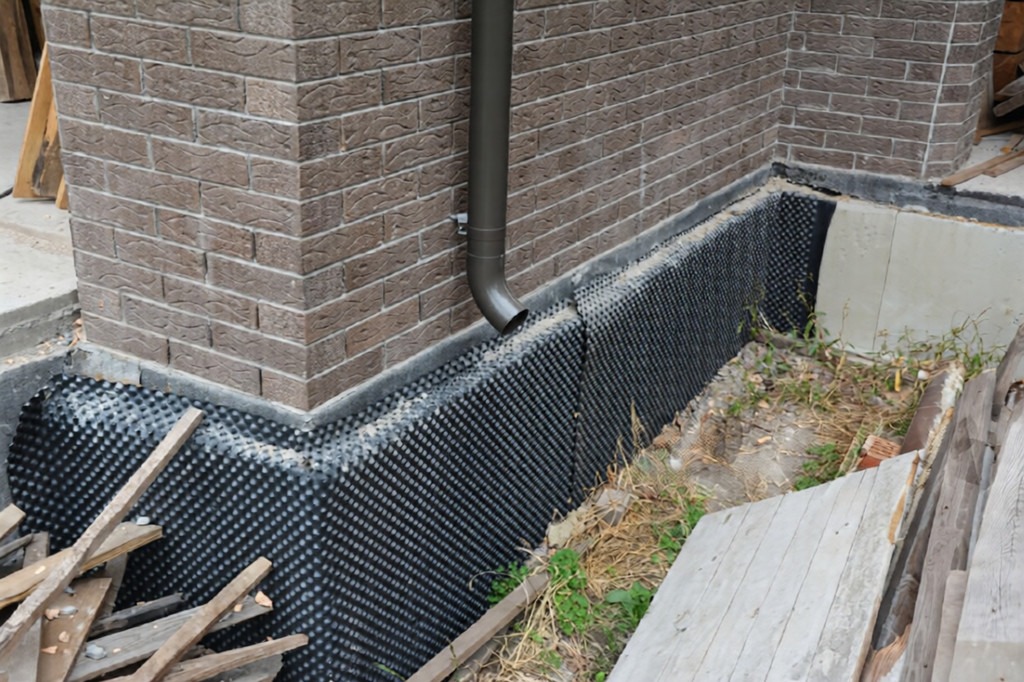
Emergency service and diagnosis
When there is acute risk—such as rapid subsidence, cracking or inflowing water—an urgent foundation intervention is necessary. In such situations, it is important that a specialized team secures the property and prevents further damage.
An emergency visit consists of three steps:
- Stabilization of the current situation. The technician first assesses whether immediate support is required. Sometimes temporary stamps or support elements are placed to stop further movement.
- Technical diagnosis. With advanced measuring equipment, the load, skew, ground pressure and condition of existing foundation piles are determined. The analysis determines whether there is a local subsidence or a structural problem.
- Action plan. The specialist discusses recovery options, possible risks and required techniques. This phase is crucial for a correct foundation repair, because each building responds differently to load and surface.
Bricknest emphasizes that a good foundation always starts with correct preparation. That is why we would like to refer to the extensive article about foundations, permits and finishing in garden houses—also very relevant in terms of basic principles for homes:
👉 https://www.bricknest.nl/fundering-huis
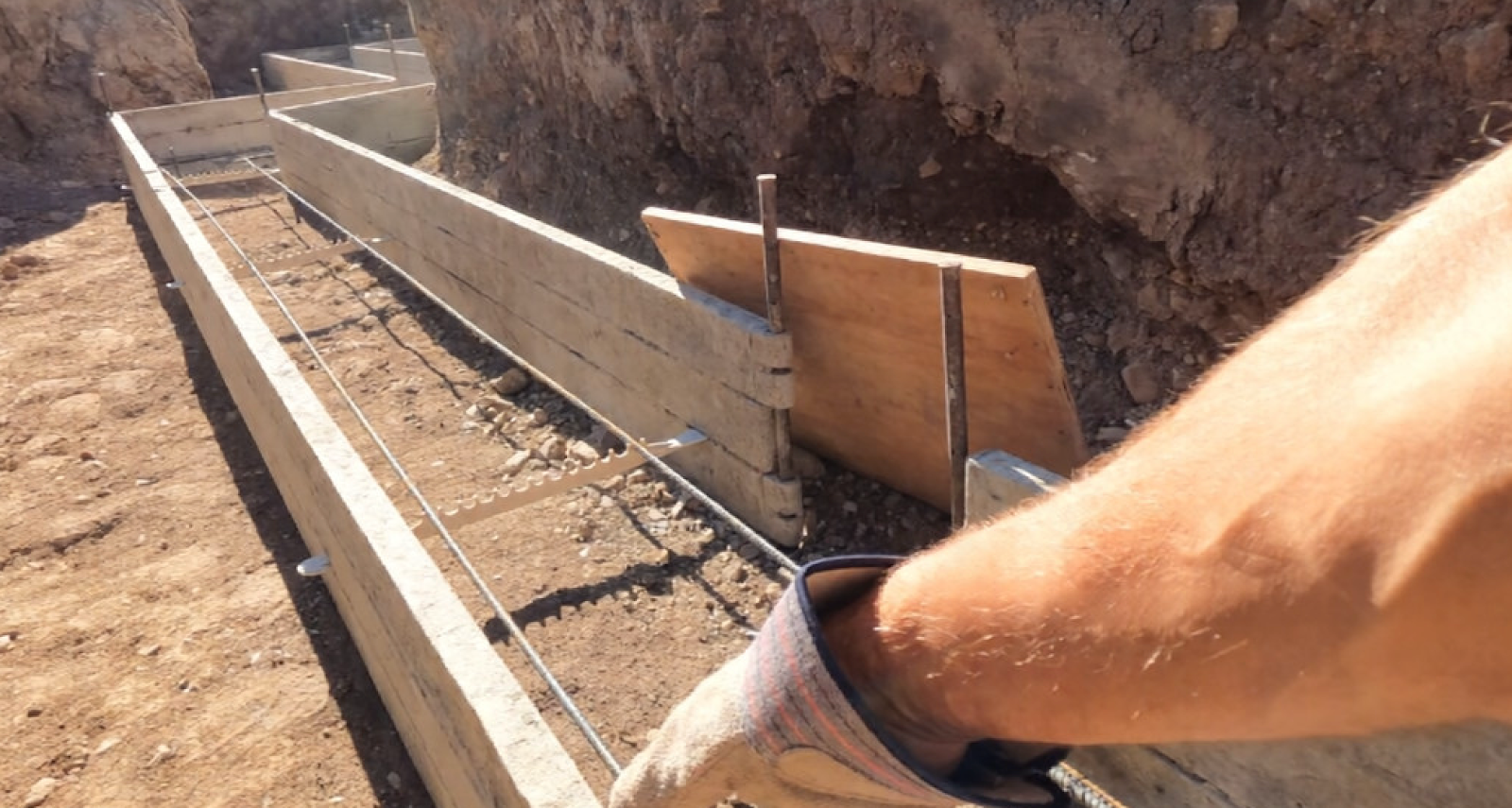
Recovery methods
In the Netherlands, various techniques are used to structurally strengthen foundations. The choice depends on the condition of the house, the year of construction, the type of foundation and the soil conditions. The most commonly used methods are explained in detail below.
Pole replacement or reinforcement
In older homes, the foundation often rests on wooden poles. When these weaken due to bacterial attack or prolonged contact with oxygen due to falling groundwater levels, instability occurs. Installing new concrete or steel poles can fully restore the load-bearing load. In some cases, existing poles are pressed to provide sufficient strength again.
Injection techniques
In the case of mild to medium sagging, injections of resin or grout are often used. These materials fill cavities in the subsoil and increase the load-bearing capacity. The method is less invasive than pole replacement and is often used for homes that have not yet seriously sagged.
Shelter
When the foundation masonry itself is weakened, the route is undercut and rebuilt segment by segment. This technique requires precision work and extensive preparation, but provides sustainable reinforcement for the entire structure.
Floor and crawl space repair
Not always the foundation itself is the biggest problem. Sometimes the floor becomes detached from the structure due to sagging beams or uneven pressure. Specialist repair ensures that the floor wears again as intended.
An expert assessment determines which method is most appropriate. A correct choice prevents unnecessary costs and ensures long-term safety.
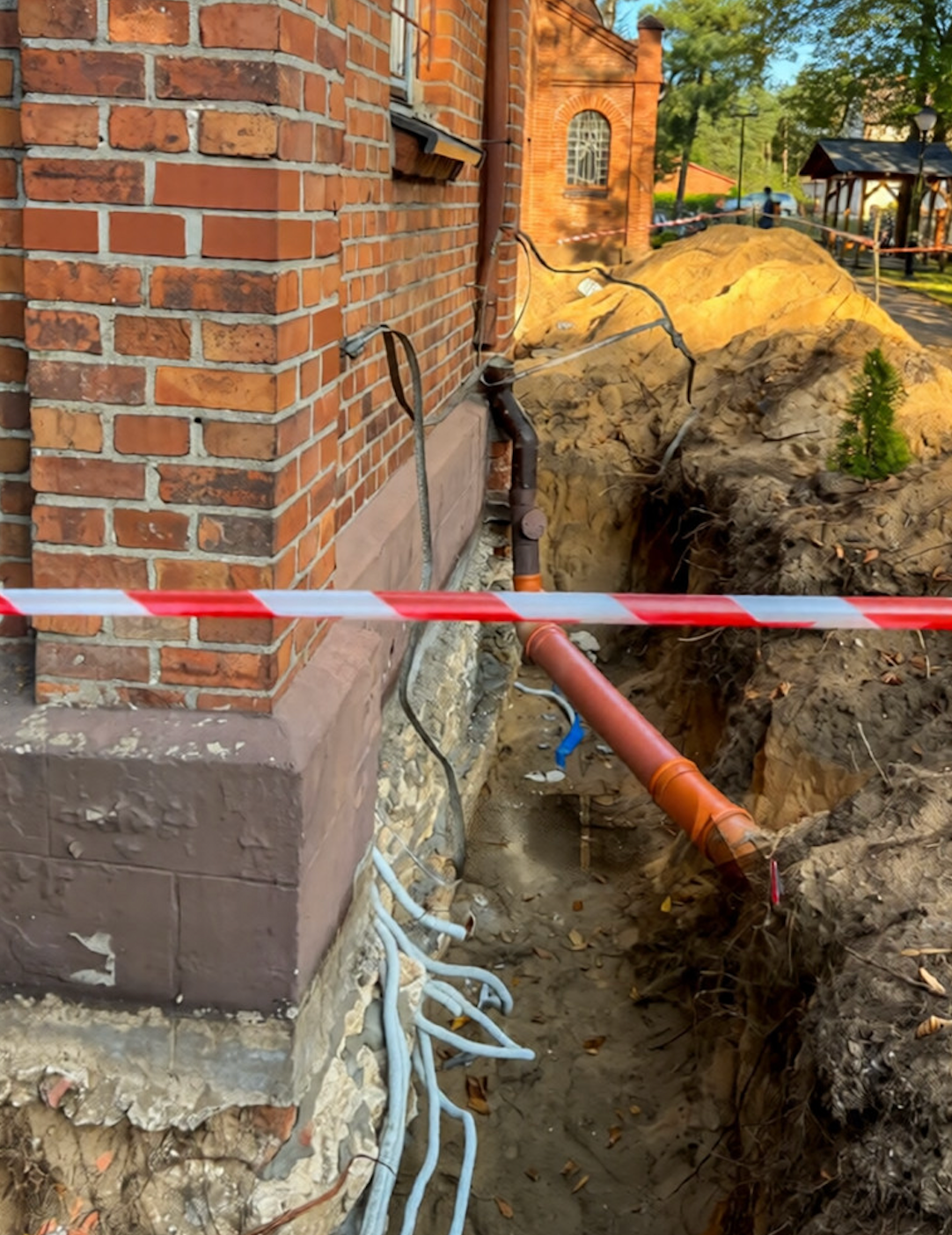
Inspection & Assessment
A good foundation repair always starts with a thorough architectural inspection. Here, cracks, supporting structures and moisture values are carefully analyzed. Not every crack indicates sagging; thermal action or aging of materials can also cause cracks. An expert recognizes the difference and assesses the risk.
During the inspection, the structure is measured at various points to record height differences. In addition, the crawl space is examined for rotting, pole damage, mold and ventilation quality. With the collected data, the specialist draws up a report that clearly explains the cause, severity and recovery options.
An accurate assessment is essential to avoid costly mistakes. It also helps homeowners compare quotes and choose the right approach.
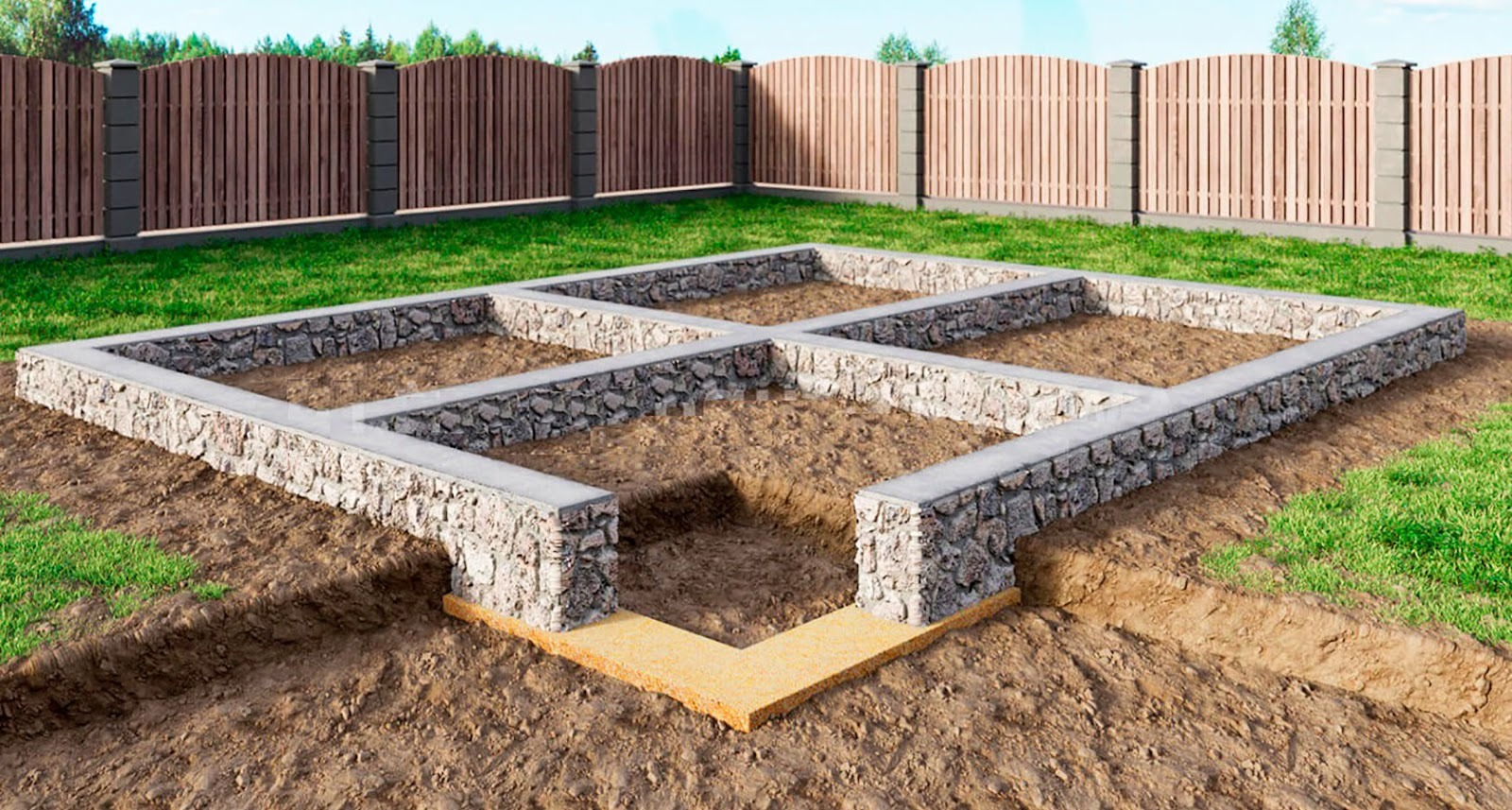
Benefits of professional recovery
Outsourcing foundation work to approved professional companies offers a number of important advantages. First of all, this guarantees that the repair technique is carried out safely and in accordance with the standard. Foundation problems require specialist knowledge and equipment; improper repair can further weaken the structure.
Professionals use modern measuring instruments, high-quality materials and certified techniques, resulting in a sustainable solution. In addition, many companies provide a guarantee on the work done, giving you certainty about the longevity of the repair.
Another advantage is that experts help with the entire process: diagnosis, advice, implementation and aftercare. They supervise the process and take into account environmental factors such as groundwater levels, seasonal influences and building regulations. As a result, the project is more efficient and safer, with minimal inconvenience to residents.
Finally, the market value of the home rises significantly after foundation repairs. Buyers are critical and a solid foundation is one of the elements that directly increase trust in the property.
FAQ
1. How do I recognize a foundation problem?
Common signs include misalignment, cracks in walls, jammed doors and cold or saggy floors.
2. Can foundation repair be carried out in winter?
Yes, provided that the right techniques are applied. Specialist companies work with materials that are suitable for lower temperatures.
3. On average, how long does a recovery project take?
Depending on the severity, this ranges from a few days to several weeks. Injection methods are usually faster, pole replacement takes more time.
4. Is urgent foundation repair more expensive?
Emergency services are often priced slightly higher due to the direct deployment of staff, but actually prevent major consequential damage.
5. Do I need a permit for foundation work?
A permit may be required for extensive work. Your contractor or engineer can check this beforehand.

