
When the winter months arrive, each construction site faces specific challenges. Concrete is a material that is highly dependent on temperature, moisture and wind. That is why pouring concrete in cold weather requires an approach that differs from the standard process in the warmer seasons. Those who build in the winter must not only take into account technical restrictions, but also additional risks that may affect the final quality of the concrete.
This comprehensive guide explains how pouring concrete in cold weather can be successful, what measures you need to take beforehand and which techniques professionals use to keep winter construction safe.
Why pouring concrete in winter is more difficult
Concrete is a mixture that hardens due to the hydration reaction between cement and water. This chemical reaction slows considerably once the temperature drops. The colder it gets, the longer it takes for concrete to build up sufficient strength. This creates a critical phase in the first hours after pouring: the material must stay warm enough to prevent damage.
At temperatures close to freezing, the water present in the mixture can expand and cause microcracks. When the concrete then hardens, the structure remains weak and porous. This is one of the reasons why pouring concrete in cold weather requires more preparation than pouring in spring or summer.
In addition, weather conditions influence the logistical process. Long transport times, cold formwork, strong wind and frozen ground all mean that winter construction requires more planning. Even a small temperature difference can determine the end result.
Minimum temperature for concrete
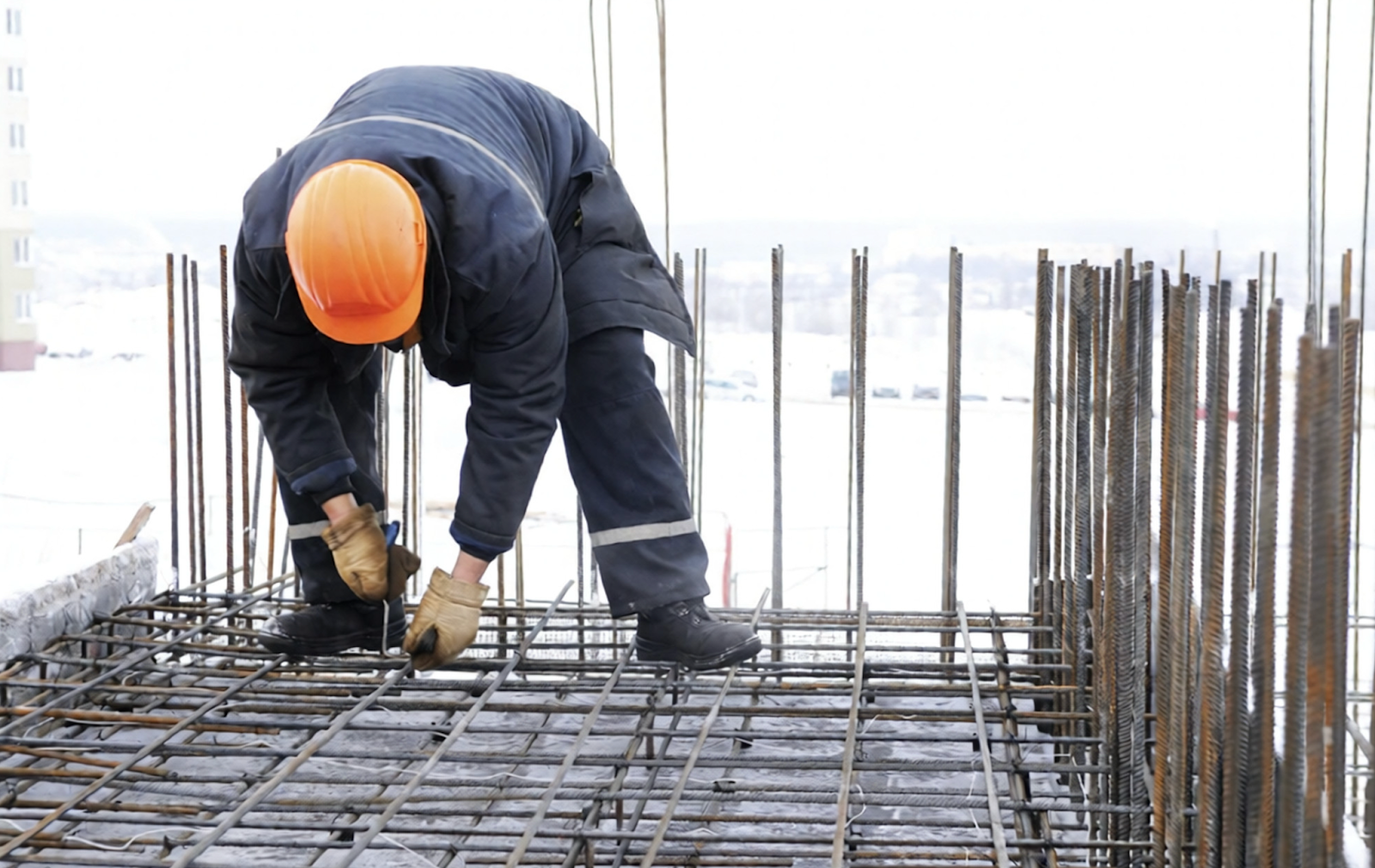
For optimal results, concrete must maintain a minimum internal temperature after pouring. In Dutch practice, a deposit is not recommended when the ambient temperature is structurally below 5°C. The air and substrate temperatures play as important a role here as the temperature of the mixture itself.
The main guidelines that professionals follow:
- at 0°C or lower, uninsulated concrete must never be poured,
- between 0°C and 5°C, winter measures such as insulation, heating or additives are necessary,
- a warm surface is essential to reduce heat loss,
- temperature must be actively monitored for the first 48 hours.
These measures are crucial to prevent the concrete from freezing before the chemical reaction has started properly.
Winter concrete additives
Pouring concrete in cold weather often involves the use of special chemical additives. These additives improve the curing process and make the material less sensitive to frost.
There are different types of additives, each with their own function:
- Accelerators. They increase the rate of the hydration reaction, so that the concrete builds up strength more quickly. This is particularly useful at temperatures below 10°C.
- Air Bubble Shirters. The small air bubbles ensure that the mixture is less damaged when occasional freezing occurs. This increases durability during periods of frost.
- Plasticizers. These substances make the mixture easier to process without adding extra water. Less water means less chance of freezing.
Although additives solve many problems, they need to be dosed carefully. Too high concentrations can impair the final strength or make the processing time too short.
Methods of protecting concrete from frost
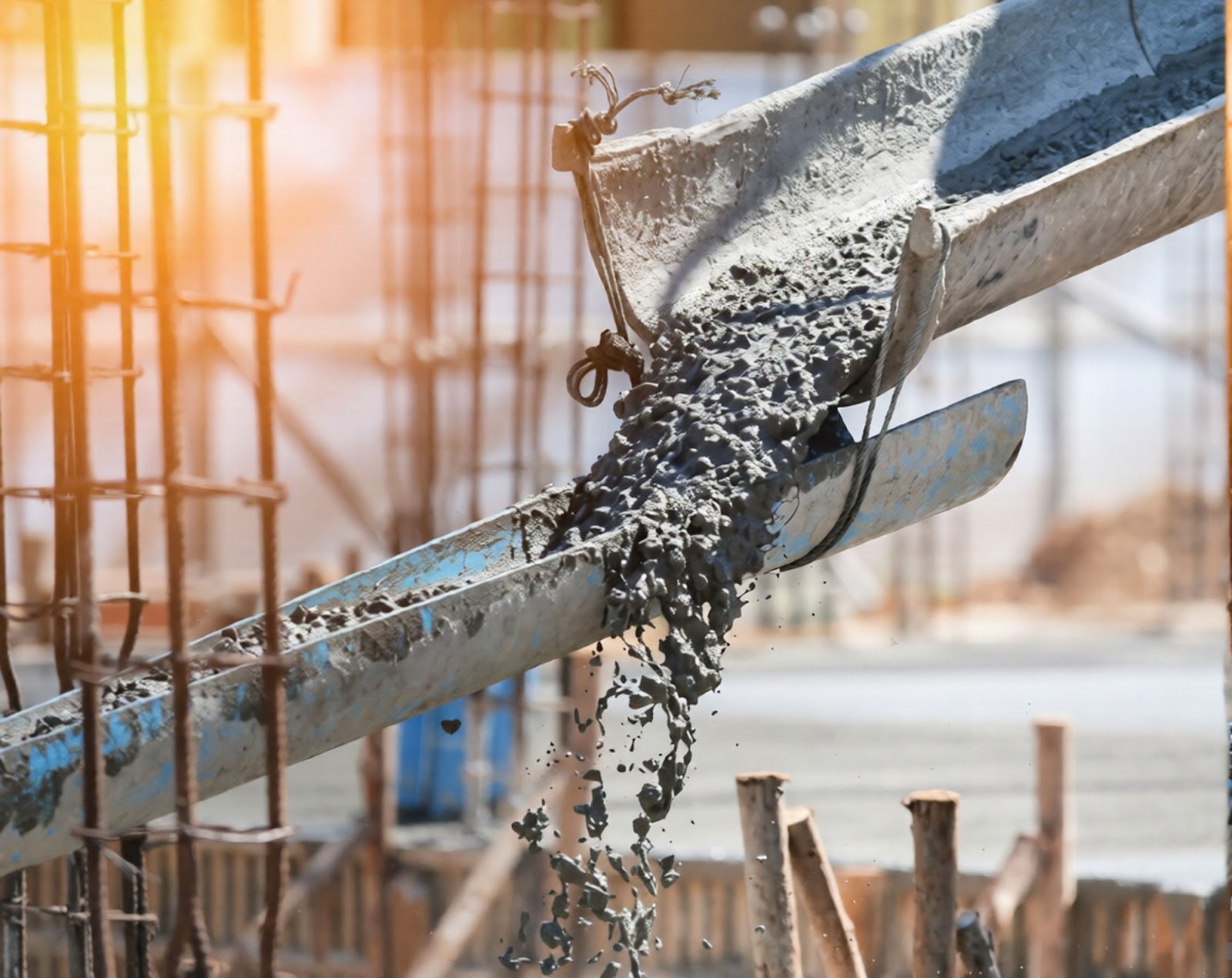
Protection is one of the most important elements during concrete pouring in cold weather. As soon as the fresh concrete comes into contact with cold air or a frozen surface, it loses masses of heat. That is why we always work with combinations of insulation, heating and shielding in the winter.
Commonly used protection methods:
- Thermal blankets and insulating mats. These help retain the heat that is released during hydration. They are applied immediately after landfilling.
- Heated formwork. In the case of large structures, the formwork can be heated with heat ribbons or mobile heating units, so that the temperature remains stable.
- Temporary tents or canopies. Here, warm air is supplied to keep wind and precipitation away. This is particularly effective on open construction sites.
- Preheating the substrate and reinforcement. A cold foundation can cool the concrete immediately. By warming the surface up beforehand, the mixture stays warm longer.
These measures are often combined, depending on the size of the project.
Temperature control
Without continuous temperature control, winter construction has little chance of success. Concrete must be actively monitored, especially in the first three days. Modern construction companies use digital sensors that are placed directly in the concrete. These sensors measure the temperature development per hour, so that it is possible to see exactly whether the process remains within safe ranges.
Important control moments:
- 1 hour after pouring: start of hydration,
- 24 hours after deposit: early strength development,
- 48—72 hours: risk of late cooling, especially in strong winds.
If the temperature drops too quickly, additional insulation materials are added or artificial heating is carried out.
Temperature control is also important when demoulding. If the concrete does not yet have sufficient strength, dismantling too early can lead to deformation or microdamage that will lead to cracks in the long term.
Common mistakes
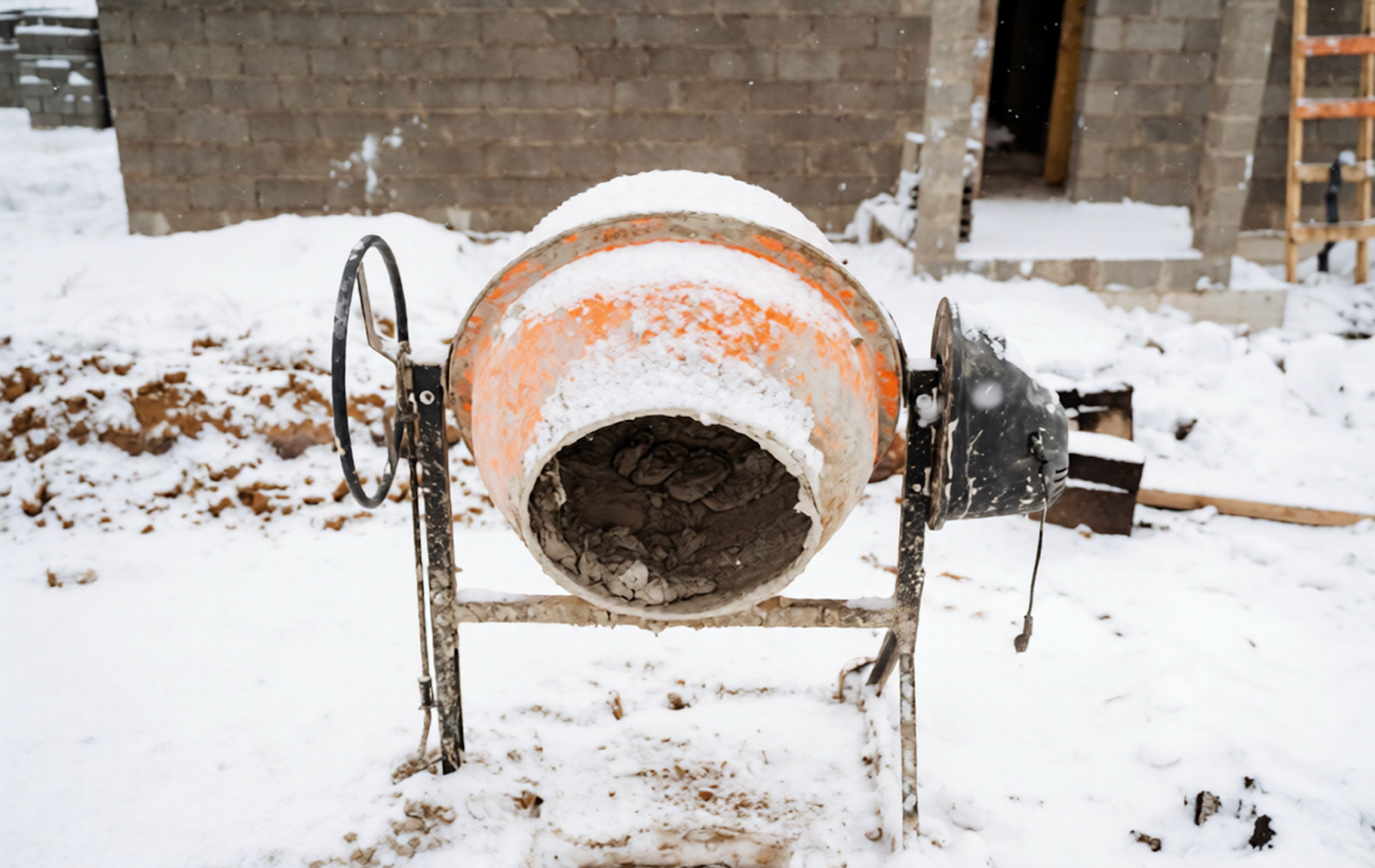
When pouring concrete in winter, the same mistakes are often made. They seem small, but can have major consequences for the final concrete quality.
Common mistakes:
- landfill on a frozen surface or icy reinforcement,
- using too much water to make the mixture more “supple”,
- insufficient or poorly fixed insulation,
- unexpected removal of thermal blankets in the event of a sudden thaw,
- do not take into account night frosts after a relatively hot day.
Avoiding these errors not only saves costs, but also increases safety at the construction site.
Conclusion
Pouring concrete in cold weather requires technical knowledge, planning and extra protection. However, winter construction can run smoothly if you use temperature, additives and insulation carefully. By respecting the minimum temperature limits, taking the right measures beforehand and actively monitoring the process, a concrete structure is created that is just as strong and durable as when it was poured in the summer.
For those who have to deal with winter conditions more often, it is wise to develop a fixed working method that focuses on preparation, control and aftercare. For example, pouring concrete into cold weather is not a risk, but an easily manageable process that provides high-quality results.
Do you want to delve further into the foundation, permit or the right preparation for your construction project? Bricknest has a comprehensive guide to these topics. Read more about practical steps and important points to consider when building a garden house here:
👉 https://www.bricknest.nl/fundering-huis
FAQ
1. Can I pour concrete when it freezes?
This is only possible if very strict measures are taken, such as insulation and special additives. Without protection, dumping in case of frost is not recommended.
2. What is the minimum temperature for safe landfilling?
Ideally above 5°C. Below this value, additional measures are necessary.
3. How long does concrete need to be protected?
Usually at least 48—72 hours, depending on weather conditions and strength class.
4. Are winter additives always necessary?
Not always, but they are often essential at temperatures below 10°C to prevent loss of strength.
5. Can the cold make concrete stronger?
No, it actually weakens when it cools or freezes too quickly. The strength development stops when the mixture falls below 0°C.

