
If you want to renovate your bathroom, there are many things to consider. Remodeling a bathroom is a technical and practical project that requires careful planning and attention to details. It's not just about aesthetics: every step of the renovation must be done correctly, from pipes and electricity to tiling, plumbing and ventilation. Especially when a shower renovation or a complete rearrangement of the space also comes into play, clear phasing is indispensable.
A complete bathroom renovation therefore always starts with a well-thought-out roadmap. Before the work starts, it is important to draw up a realistic budget, planning and layout. This helps to keep an overview, to better coordinate technical choices and to limit surprises during implementation.
Budgeting and Planning
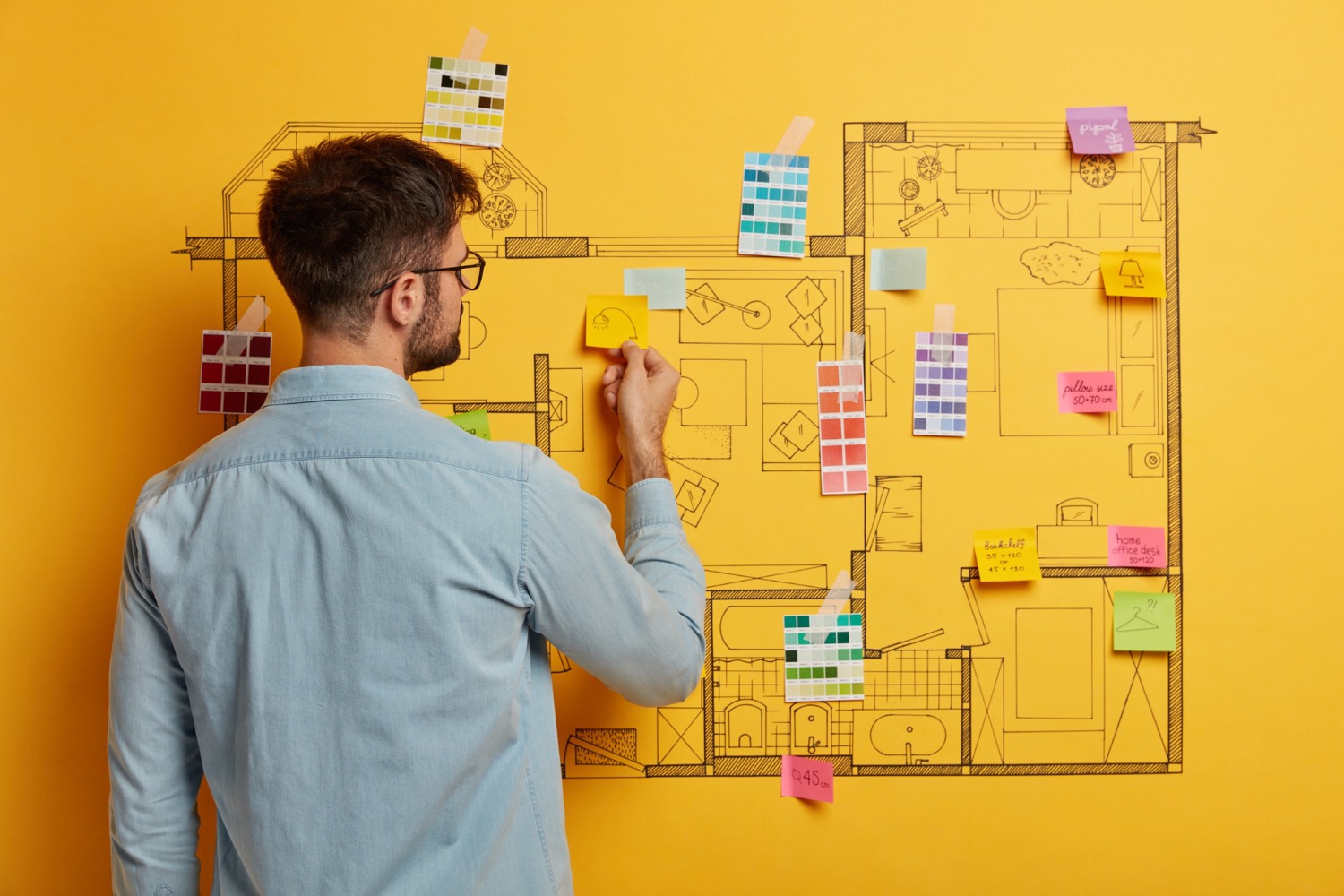
A solid budget and a clear schedule are crucial to ensure that the renovation goes smoothly and stays within the available budget. It is precisely in this phase that it becomes clear whether the project will be limited to a refreshment or will become a more radical bathroom renovation.
Finance and Budgeting
Determining a realistic budget is one of the most important steps in the renovation process. A bathroom renovation rarely consists only of visual work: in addition to finishing and sanitary work, technical components such as pipework, electricity, waterproofing and surface preparation also play a major role in the final price. That is why it is wise to draw up a complete cost overview from the start and to compare multiple quotes.
When estimating the budget, the following items should be taken into account:
- Materials: €5,000 — €9,000
- Labour: €4,000 — €7,000
- Extra costs and unforeseen costs: €1,000 — €3,000
- Total budget: €10,000 — €19,000
In particular, choices such as custom furniture, built-in niches or a bathroom with a bath and walk-in shower can increase the technical complexity and thus also the costs. It is therefore important not only to look at the base price, but also at additional expenses, for example when pipes have to be moved, the floor structure has to be adjusted or additional structural preparation is needed.
Schedule and Planning of Activities
A clear schedule helps to ensure that the renovation takes place in a controlled manner and without unnecessary delays. In addition, it is important not only to determine a desired start and end date, but also to technically coordinate the order of the activities. Some phases can only start when the previous ones have been completed completely and correctly.
A usual schedule often looks like this:
- Week 1: Disassembly and preparatory work
- Week 2: Piping and Electricity
- Week 3: Tiling and sanitary installation
- Week 4: Finishing and detailed work
In practice, it remains wise to make some slack in the planning. Delivery times of materials, drying times of mortars or waterproofing and unexpected technical findings can influence the implementation. By properly coordinating with the implementing parties in advance and phasing the activities logically, progress remains clear and manageable.
Design and Layout
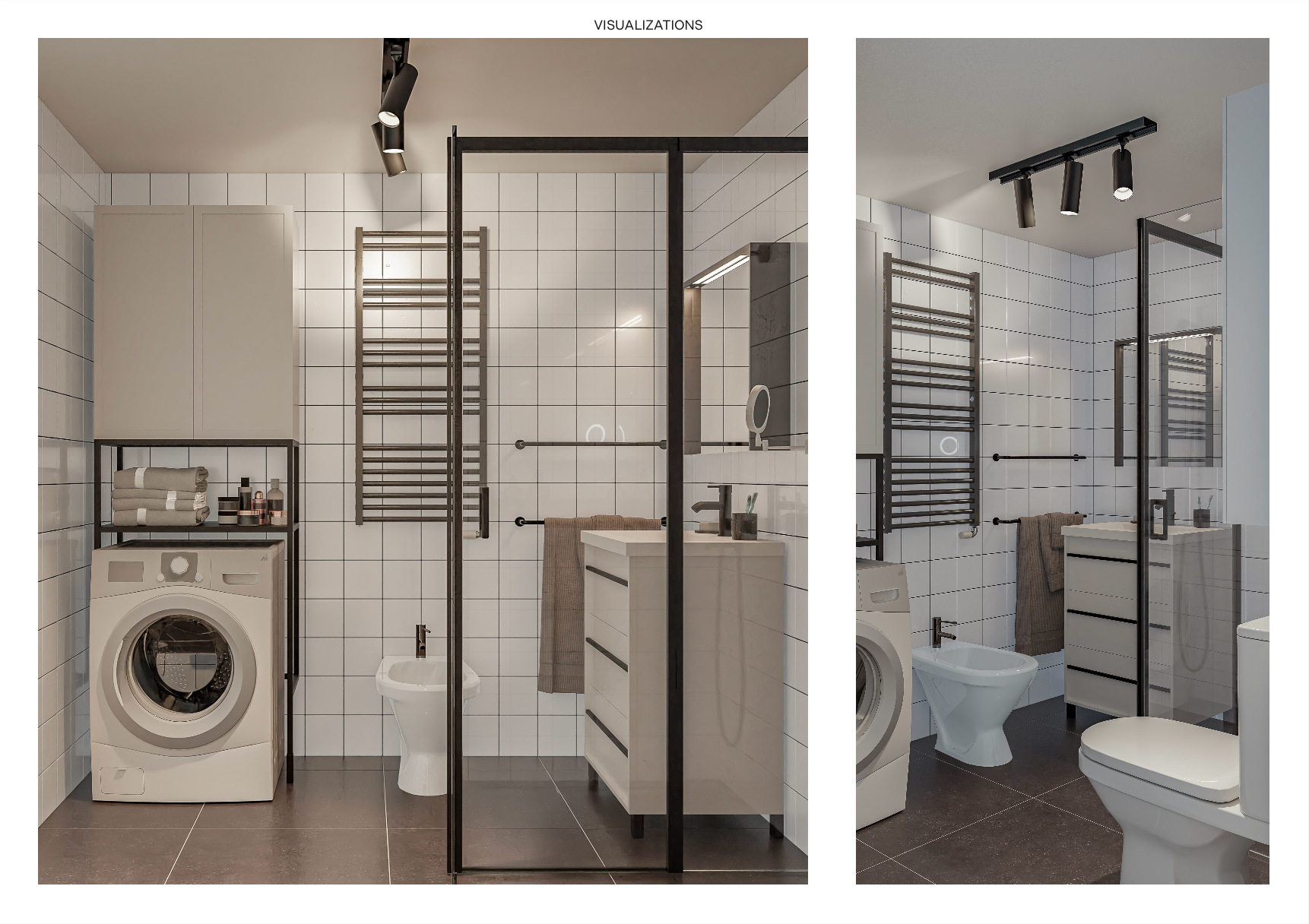
When designing your bathroom, spatial planning and the choice of materials and sanitary facilities determine both comfort and functionality. A thoughtful design not only makes the room more beautiful, but also prevents practical problems in daily use.
Spatial Planning
When you design your bathroom, it's important to first make a clear plan. Measure the available space accurately and then determine where the shower, bath, toilet and sink are best placed. In doing so, pay attention to logical running lines, sufficient space for movement and the position of existing pipes and drains. If you want to take a deeper look at a smart layout, you can also read the Bricknest article about this about 5 zones for a functional bathroom layout.
- Shower and bath: ideally place them against a longer wall for efficient use of space
- Toilet: preferably not immediately visible when entering the room
- Washbasin: make sure there is sufficient circulation space, especially when used by several people
Especially if you want to build a bathroom with a bath and a walk-in shower, it is important to determine early on how wet and dry zones are separated.
Choice of Materials and Sanitary
When selecting materials for your bathroom renovation, you should not only look at appearance, but also moisture resistance, maintenance and longevity. Tiles remain a logical choice for floors and walls, but the choice of sanitary facilities also deserves special attention.
Choose plumbing based on three criteria:
- Quality: Opt for sustainability to prevent future problems.
- Style: Tailor the style of the plumbing to your personal preference and the overall aesthetic of the space.
- Comfort: Make sure that the sanitary facilities offer comfort and are functional to use.
A well-chosen shower setup or bath solution largely determines how the room functions on a daily basis. At Bricknest, this phase often already looks at the relationship between design, choice of materials and ease of installation, so that aesthetic choices do not conflict with technical feasibility.
Disassembly and Preparation
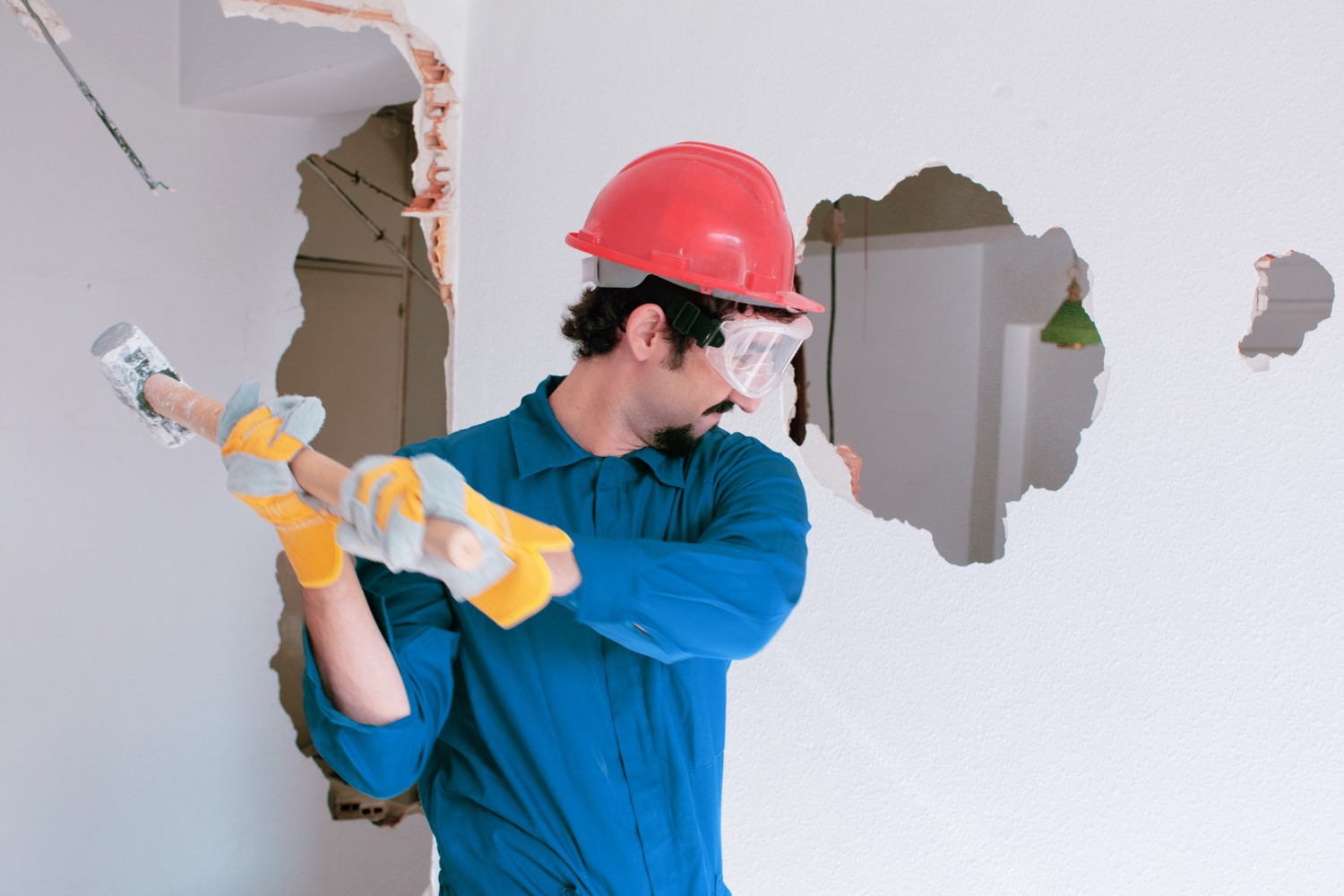
Before the new bathroom can be built, the existing space must be carefully dismantled and prepared. This phase forms the technical basis for a safe and efficient renovation.
Demolition work
The demolition work starts with shutting off the water supply and, if necessary, the electricity. Remove plumbing and finishes systematically to prevent damage to pipes, drains and adjacent structures. Especially if you want to replace an existing shower and renovating the shower is part of the project, it pays not only to remove surfaces, but also to immediately check the condition of the surface and waterproofing.
Preparing the Space
After the demolition, cleaning the space is crucial. Remove debris, dust and residue from glue or sealant to create a clear work area. Then check pipes, electricity and walls for damage. Correct preparation makes it possible later to install tiling and plumbing accurately and without unnecessary delay.
Pipes and Electricity
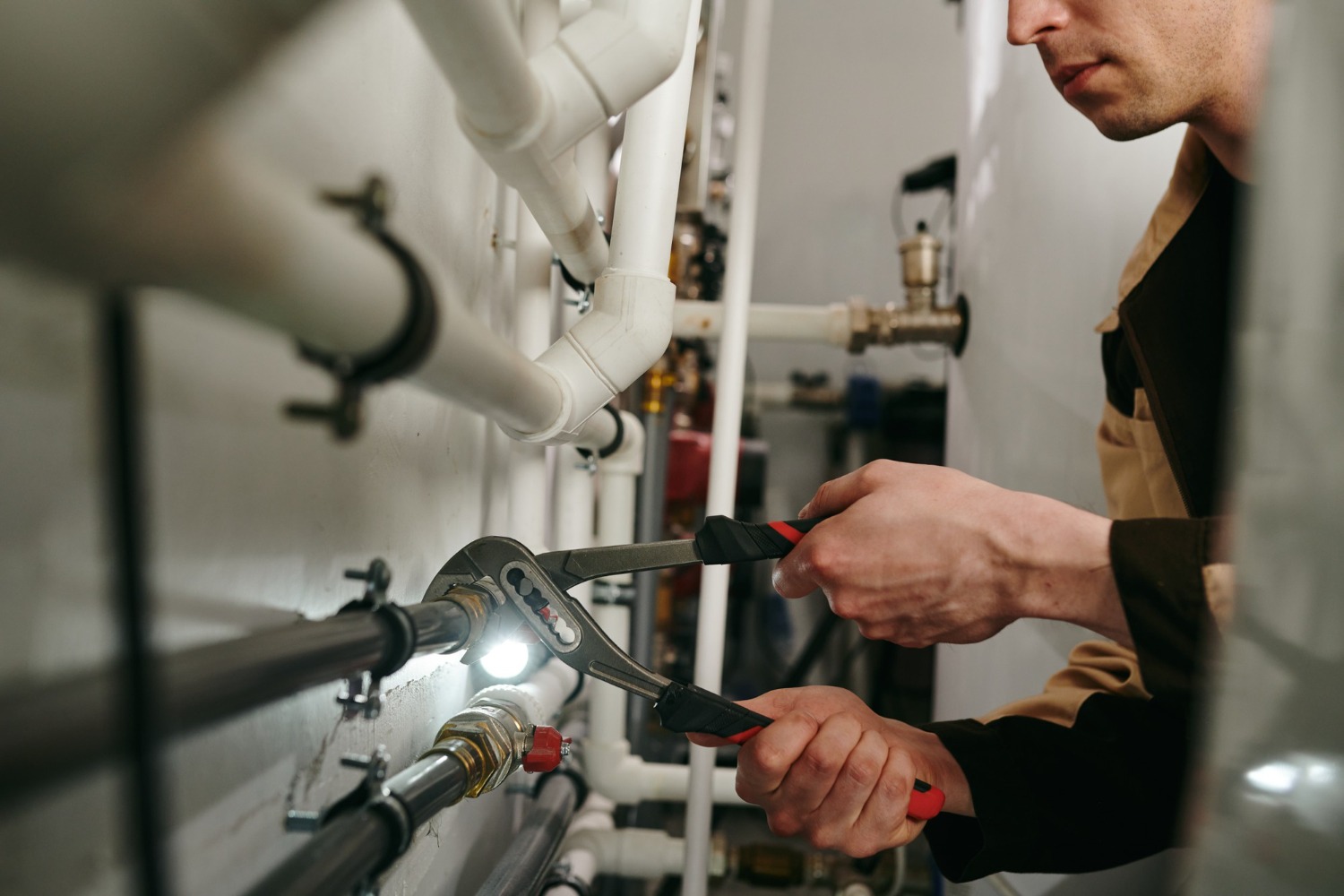
In a bathroom renovation, the construction of water pipes and the electrical installation are essential for a functional and safe space. Here, errors often only become visible after the finish is ready, so accuracy is extra important in this phase.
Installing Water Pipes
Your pipeline network forms the basis of a well-functioning bathroom. First, locate the main water pipeline and determine where the hot and cold water branches should be located. Also take into account the disposal of used water and check whether existing connection points are still logical compared to the new layout. Especially during a shower renovation or when you move sanitary facilities, the pipework must not only be set up functionally, but also easy to maintain.
Electrical Installations
Electrical safety in the bathroom is very important. Moisture and electricity remain a risky combination, so sockets and switches must be positioned and protected correctly. Think of RCDs, suitable IP values and safe placement outside direct splash water zones. Good lighting, mirror lighting and any electric heating should be included in the technical plan from the start.
Heating (radiator or underfloor heating)
Effective heating is an important part of bathroom comfort. You can opt for a traditional radiator or underfloor heating. The right choice depends on the budget, installation height, usage pattern and the desired heat distribution. For those who want to delve further into comfort and warmth in the bathroom, it is also useful to read the Bricknest article about a warm and comfortable bathroom all year round.
Tiling and Joints
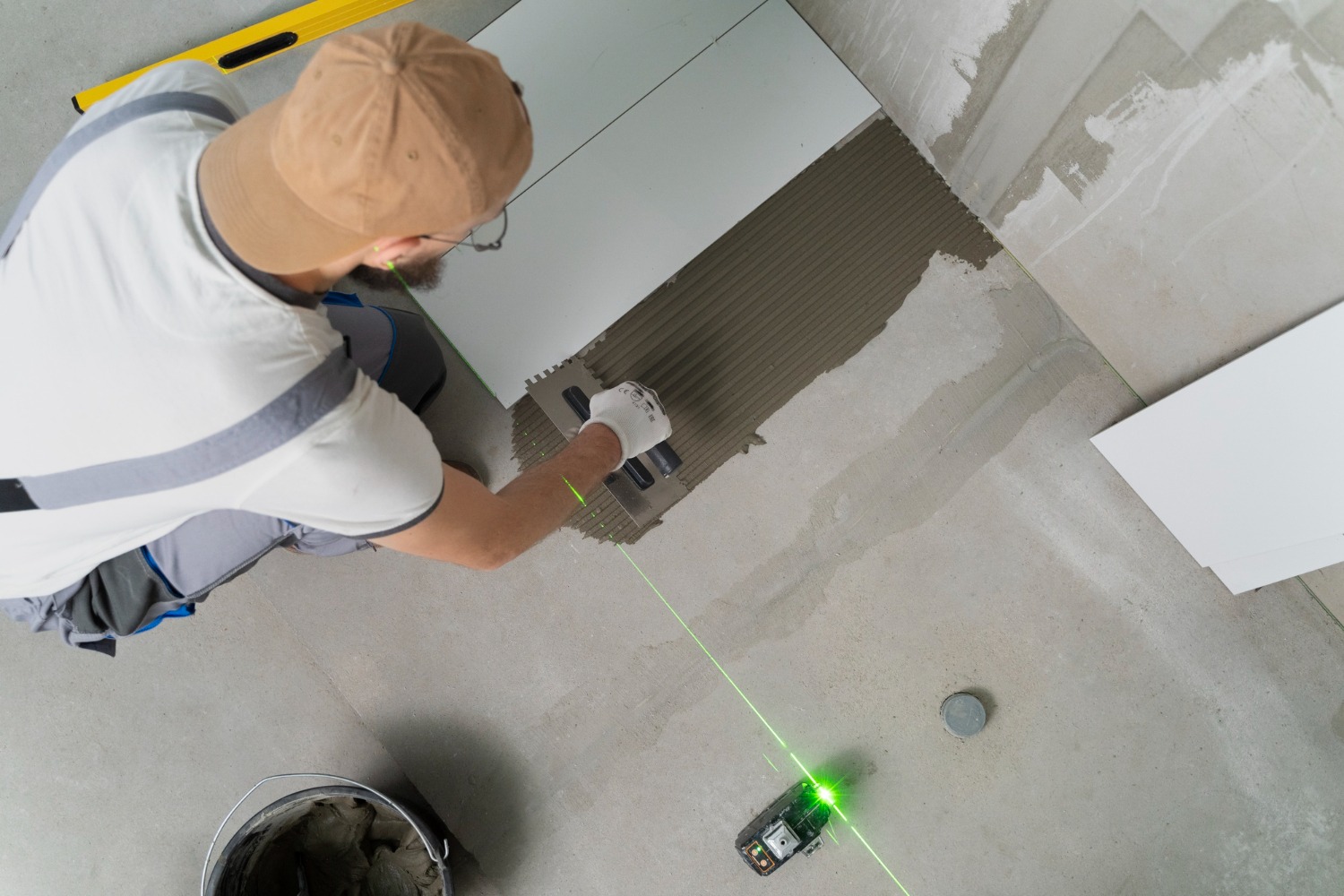
A well-placed tile wall and floor form the basis of a sustainable bathroom. The choice of tiles and grouting materials should be not only aesthetically pleasing, but also technically justified.
Walls and Floor Tiling
When tiling walls and floors, it is important that the tiles are suitable for wet areas. The surface must be flat, clean and stable. For wall tiles, use a plumb line or laser for accurate alignment. On the floor, you should pay extra attention to the slope, especially in the shower area, so that water runs correctly to the drain.
Step by step:
- Start with the largest tiles in the most visible place
- Cut tiles to size where necessary
- Use crosses for an even joint width
- Press the tiles firmly into the adhesive
- Check alignment regularly
Make sure that the installation is not only visually tight, but also architecturally correct, especially in zones with a lot of water load.
Joints and Finishing
After installing the tiles, grouting follows. This is an essential step for a waterproof and durable finish. Choose a grout that matches the type of tile and the moisture load of the bathroom. Apply the grout evenly and finish carefully so that seams are completely filled. Always seal the connections between tiling and plumbing correctly to absorb tensions and leaks.
Sanitary Installation
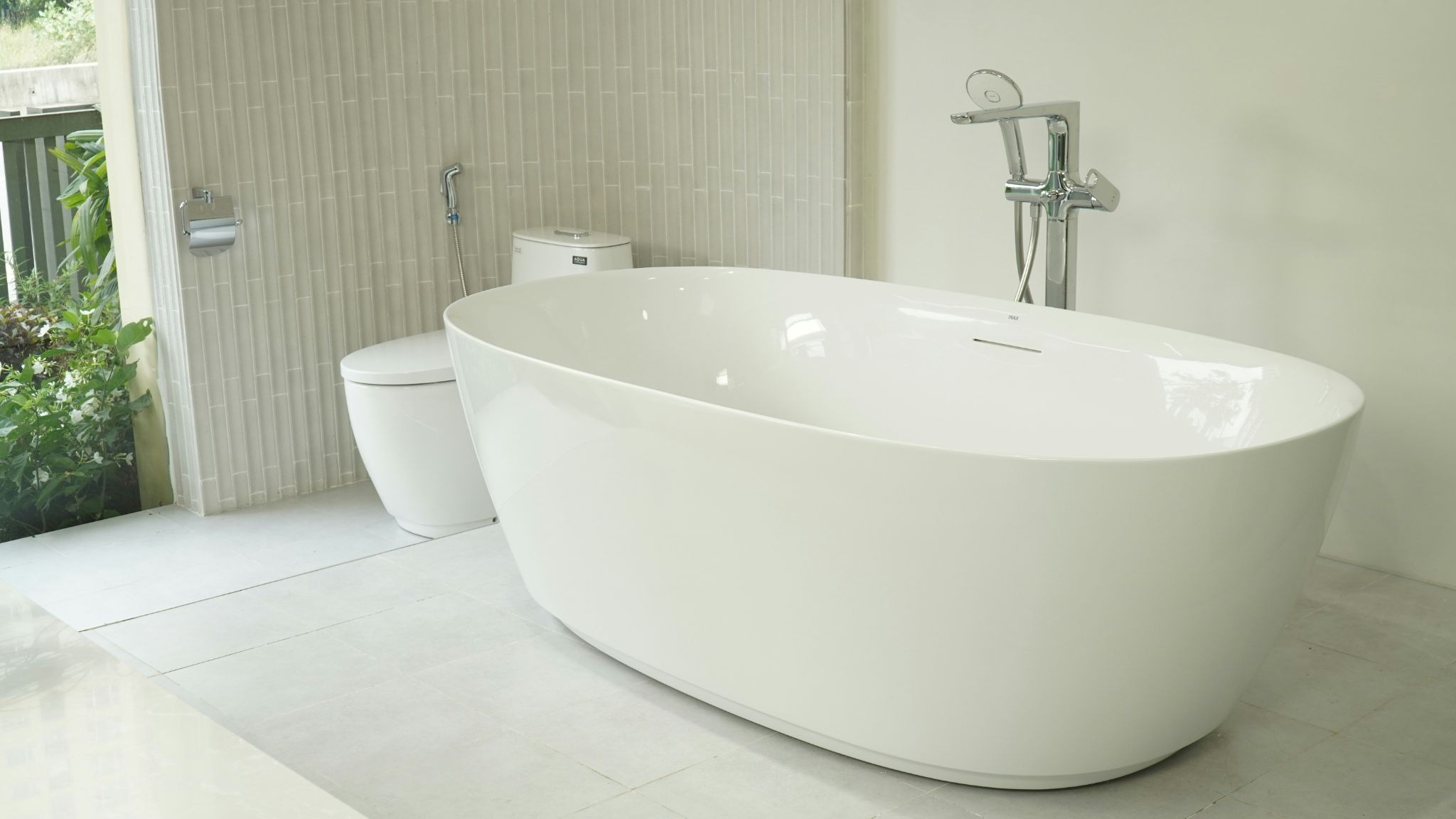
The installation of sanitary facilities is a crucial phase in the renovation. The correct placement of the shower, bath, toilet and sink determines the daily comfort and ease of maintenance of the space.
Shower and Bath
Installing a shower or bath involves a great deal of technical precision. A walk-in shower must be set up correctly, with sufficient slope towards the drain so that water does not remain on the floor. A shower tray must be placed completely flat and stable to prevent stress in the material and subsequent leaks. With a bath, it is important that the support is strong enough and that connections remain accessible for maintenance or possible repairs. If you are planning a bathroom with a bath and a walk-in shower, you should also pay close attention to the ratio between space to move, wet zones and the position of the drain.
When installing a shower, the following points are particularly important:
- check the slope correctly;
- carry out the waterproofing carefully;
- Accurately check the pipework and drainage.
The technical structure must also be completely correct in the case of a bath. In particular, the following issues deserve attention:
- carry out the support stably and load-bearing;
- seal the bath rim correctly and durably;
- keep pipes accessible for future maintenance.
When an existing shower is replaced or modernized, shower renovation is therefore much more than just renewing the visible finish. The underlying structure, waterproofing and drainage must also be technically in order to prevent problems in the long term.
Toilet and Sink
The installation of a toilet and sink may seem less complex at first glance, but in practice it requires just as much accuracy. A toilet must be properly connected to the drain and firmly anchored so that leaks and movement in the structure are prevented. In a washbasin or washbasin, not only the connections play a role, but also user comfort and ergonomics. The height must be appropriate for daily use, while the drain and tap installation must be technically correct.
When installing a toilet, particular attention should be paid to:
- checking the drain connections;
- correct connection of the water pipes;
- sturdy and stable anchoring of the toilet bowl.
For the washbasin, these points are particularly important:
- determine the correct mounting height;
- provide a watertight connection to the drain;
- install the faucets correctly and leak-proof.
It is in these parts that often lies the difference between a bathroom that only looks tidy and a bathroom that also functions smoothly in daily use.
Lighting and Ventilation

When renovating your bathroom, a good lighting plan and adequate ventilation are essential. They contribute to the comfort, atmosphere and sustainability of the space.
Lighting design
Bathroom lighting must be both functional and attractive. Provide sufficient light at the mirror and in the shower area, complemented by general lighting for the entire space. Recessed spotlights and dimmable lighting are popular choices because they provide a calm appearance while remaining flexible in use. In addition, LED lighting is an energy-efficient and sustainable option.
Managing Airflows
A good ventilation system prevents condensation, mold and musty odors. Make sure that the ventilation capacity matches the size of the bathroom and the intensity of use. A system that is properly concealed in the ceiling or cabinet contributes to a smooth finish, but must remain accessible for maintenance. Regular cleaning of the ventilation grilles is essential for continued good performance.
Storage and Functionality
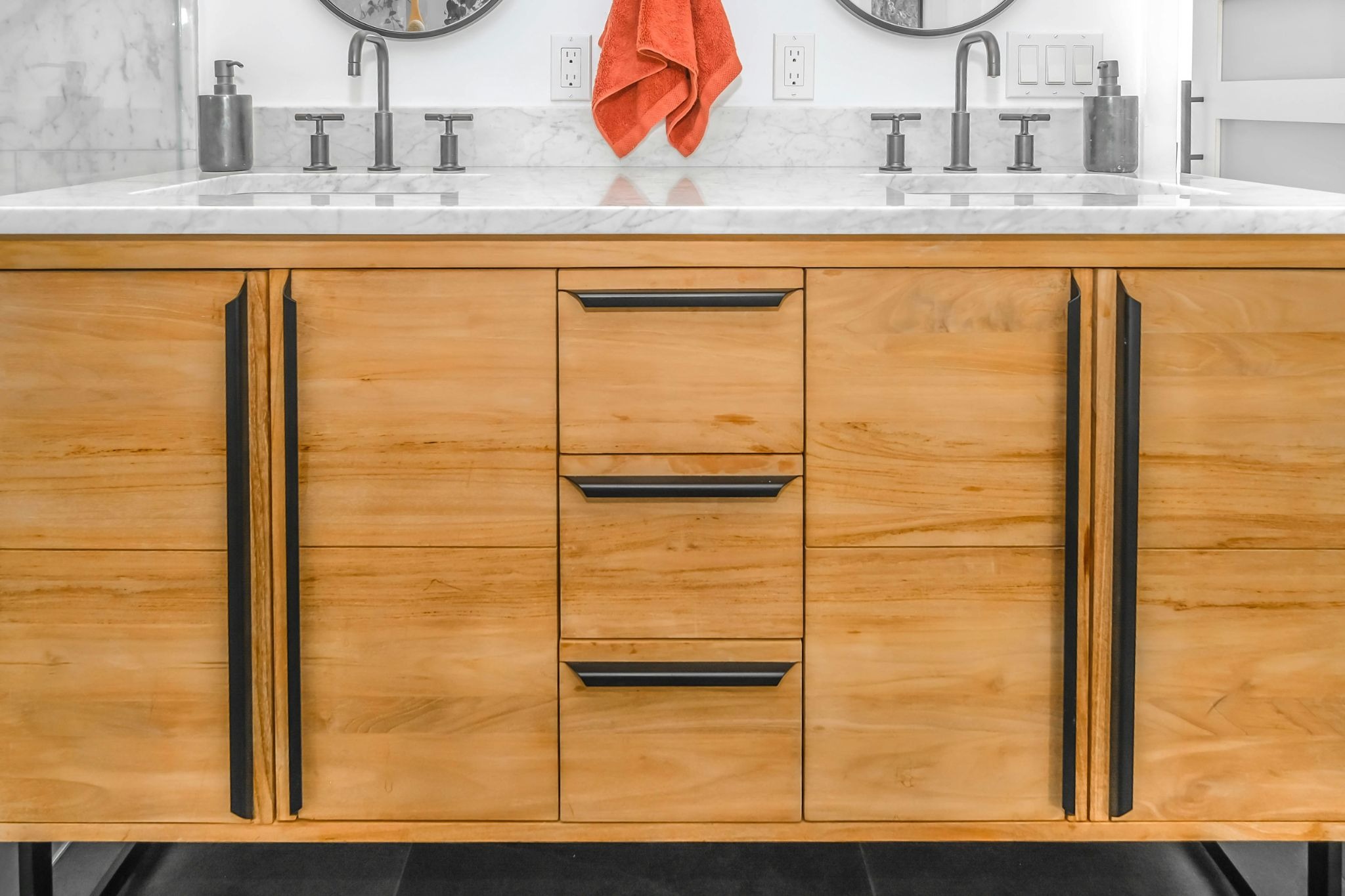
Sufficient storage space is important to make the bathroom a functional and organized space. Good storage not only increases ease of use, but also helps to keep the space visually calm.
Bathroom furniture and storage
Choosing suitable bathroom furniture is crucial to maximizing the available space. Think of wall cabinets, vanity units near the sink and tall cabinets that reach from floor to ceiling. Furniture with deep drawers and adjustable shelves makes it easier to adapt the layout to daily routines. Preferably choose furniture that matches the scale of the bathroom so that the spatial effect is maintained.
Practical Considerations
When planning storage and functionality, it's important to keep daily used items within reach. Wall shelves, niches and well-placed sockets increase ease of use. Here, too, choose moisture-resistant materials, as the bathroom remains a room with structural moisture load.
Finish and Details
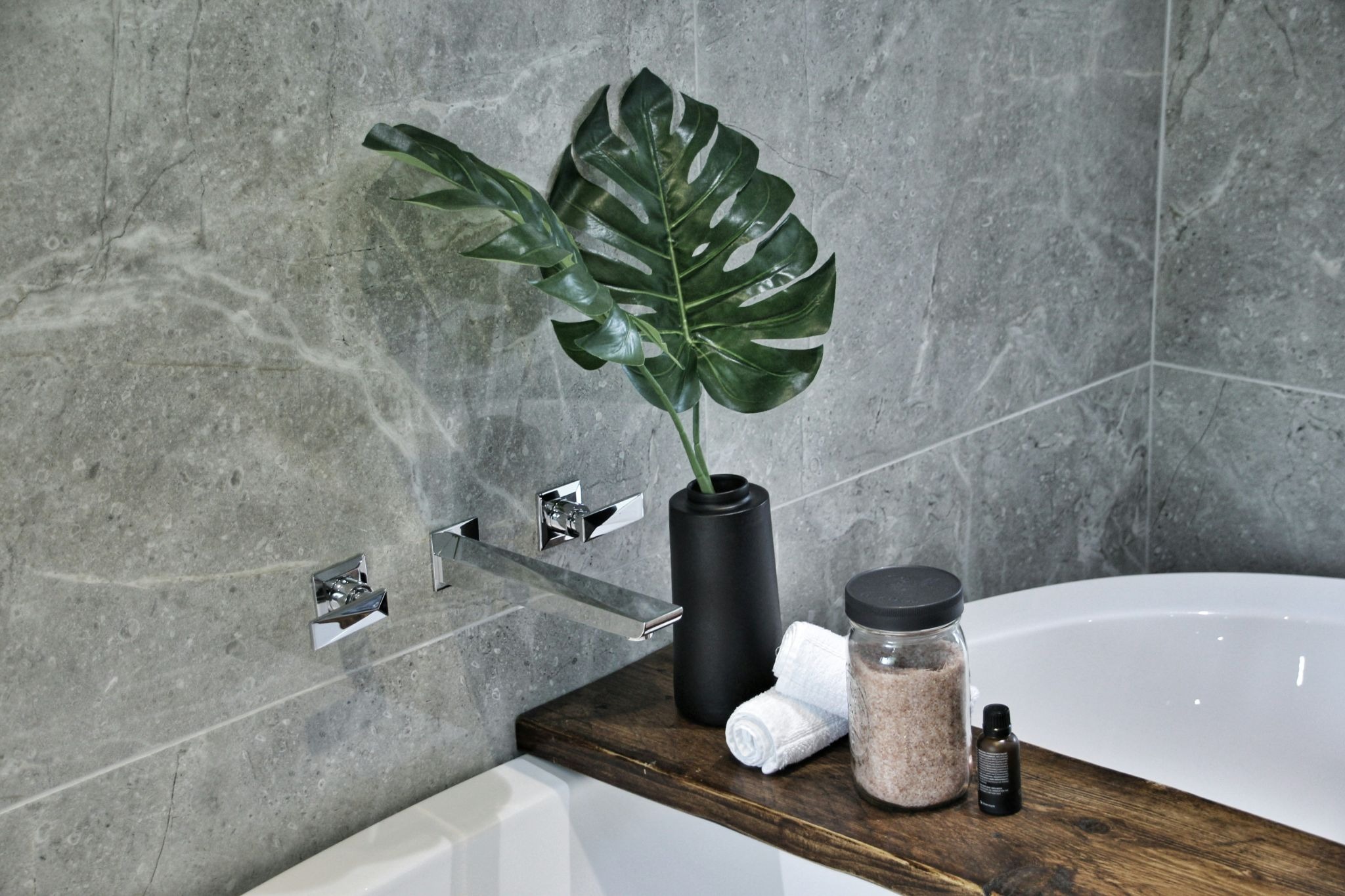
The finish ultimately determines whether the bathroom not only works technically well, but is also correct as a whole. Small details often make a bigger difference than previously thought.
Ceiling and Accessories
The ceiling plays an important role in both appearance and durability. Opt for moisture-resistant paint or an antifungal system to prevent problems with moisture. Accessories such as faucets, towel racks and toilet roll holders should not only look good, but also withstand heavy daily use.
- Moisture-resistant paint: protects against moisture load.
- Antifungal finish: helps prevent problems.
- High-quality accessories: increase longevity and appearance.
The Finishing Touch
The finishing touch determines whether a bathroom is only practical or really feels like a well-kept and pleasant space. It is precisely in this last phase that the interior gets more coherence and character. This is not about random decoration, but about details that enhance the atmosphere without disturbing the peace of the room.
In particular, the following elements can provide added value:
- a work of art or decorative object that adds personality to the interior;
- aromatic candles or other atmospheric elements that contribute to a relaxed look;
- soft towels that combine comfort with color and texture.
Even small accents, such as a special door handle, a sophisticated light switch or carefully chosen accessories, can noticeably enhance the overall picture. It is important, however, that form and function remain in balance. The bathroom should not only be visually appealing, but also practical, quiet and comfortable in daily use.

Aftercare and Maintenance
After the renovation, proper maintenance remains important to keep the bathroom in optimal condition. Regular monitoring and timely cleaning prevent common long-term problems.
Protection and Sustainability
Every day, a bathroom is exposed to moisture, temperature changes and intensive use. Precisely for this reason, the longevity of the finish depends not only on the quality of the materials, but also on how they are protected and maintained. Tiles, joints, sealants and painted surfaces must remain in good condition to prevent moisture problems and premature wear.
It is wise to additionally protect porous materials, where necessary, with a suitable impregnation or maintenance product. Caulking seams also deserve attention: as soon as they peel off, dry out or crack, the risk of water infiltration increases. For regular maintenance, it is better to use cleaning agents that do not affect the finish and at the same time contribute to the long-term preservation of the materials.
Periodic Checks
Regular monitoring helps to notice minor defects in good time before they develop into larger technical problems. In a bathroom, this is not only about visible damage, but also about parts that at first glance seem to function properly even though wear or contamination is already building up.
Therefore, check the drain regularly for delayed flow, check whether sealant seams and joints are still intact and make sure that ventilation grilles and channels remain clean. A well-functioning ventilation system is essential to limit condensation and mould formation. By structurally carrying out these checks, the bathroom not only remains more durable, but also more comfortable and reliable in daily use. In case of doubt or more complex technical defects, it is wise to call in a specialist in time.
Frequently Asked Questions
How long does a bathroom renovation take?
The duration of a bathroom renovation depends on the scope of the work, the technical condition of the room and the availability of materials. In practice, a period of approximately two to four weeks is usually taken into account for a complete renovation. For more complex projects, for example when pipes have to be moved or the layout changes, implementation may take more time.
Can I move the sanitary facilities?
Yes, that is possible in many cases. However, this must take into account the existing water pipes, drains, installation depths and the technical feasibility within the space. Especially for showers, toilets and bathtubs, a correct connection is essential to prevent problems with slopes, water pressure or drainage. That is why it is wise to have it assessed in advance which adjustments are technically justified.
Can I change the location of the bathroom?
That is also possible, but it usually involves a more drastic process than a standard renovation. Moving a bathroom often requires extra work on water pipes, drainage, ventilation and sometimes also on the structural structure of the home. That is precisely why a thorough technical analysis beforehand is important, so that it becomes clear which solutions are feasible and what impact that has on budget and planning.

